This task measures your ability to process the sentences you hear and then to accurately and intelligibly reproduce these sentences. You will repeat seven sentences within a scenario in an academic or campus life setting.
For each sentence, you will have a maximum of 8 to 12 seconds to record a response.
No account was found :(
An account is required to save and listen to your answers.
Create Free Account
Already have an account? Login
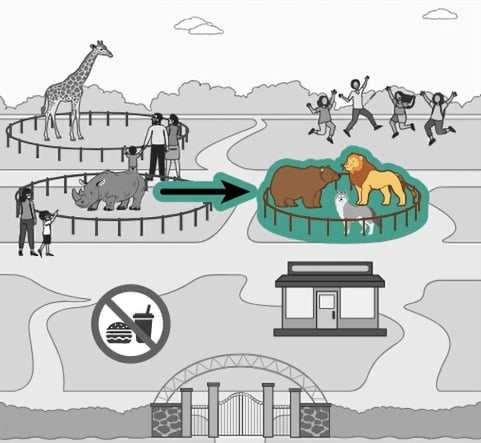
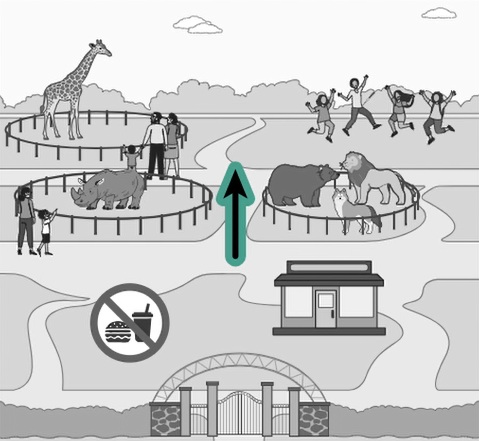
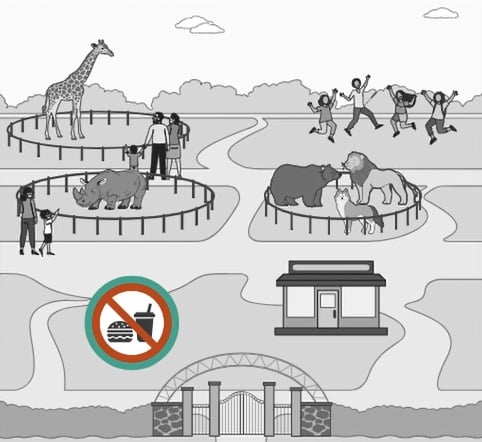
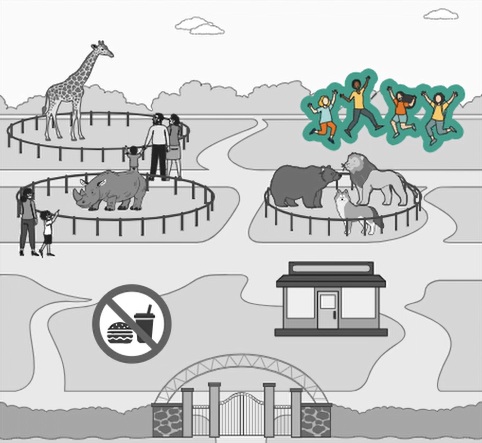
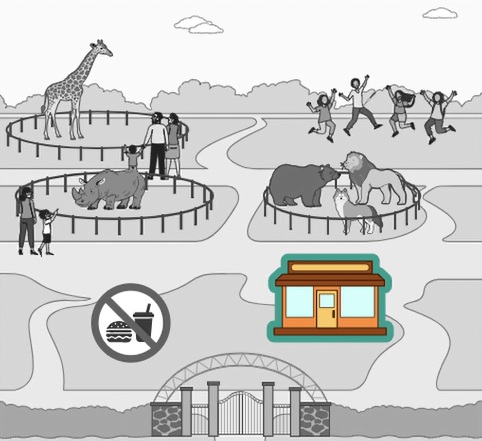
You are learning to welcome visitors to the zoo. Listen to your manager and repeat what she says. Repeat only once.

Listen and repeat only once.

Response Time
Listen and repeat only once.
Response Time
Listen and repeat only once.
Response Time
Listen and repeat only once.
Response Time
Listen and repeat only once.

Response Time
Listen and repeat only once.
Response Time
Listen and repeat only once.
Response Time
Listen and Repeat: play_circle_filled
Listen and Repeat: play_circle_filled
Listen and Repeat: play_circle_filled
Listen and Repeat: play_circle_filled
Listen and Repeat: play_circle_filled
Listen and Repeat: play_circle_filled
Keywords In The Practice
Related Words
No Vocabulary Linked To Practice
Get your speaking response scored with audio feedback and a detailed score report.
Get a Listen Repeat Review
Sample Speaking Review
Score Summary
AI Review
AI Speech Feedback
cancel 94% accurate
| sound | you said |
|---|---|
|
/s/
play_circle_filled
/s/ |
84% accurate
To create the 's sound' <strong>s</strong>, the front of the tongue is placed close to the tooth ridge. The tip of the tongue should be close to the upper backside of the top front teeth. The tongue is kept tense as air is pushed between a small groove along the center of the tip of the tongue and the front of the tooth ridge. The front sides of the tongue touch the side teeth toward the front of the mouth. The lips are held slightly tense during the sound. |
|
/oʊ/
play_circle_filled
/ow/ |
100% accurate
To pronounce the 'ow sound' <strong>oʊ</strong> the body of the tongue is pushed back and in a low-to-mid mouth position and the bottom teeth can be felt along the sides of the tongue. Then the sound moves into a 'w sound' <strong>w</strong> by raising the jaw slightly while closing the lips into a small circle. The body of the tongue moves upward until the tongue is near the back of the hard palate. |
cancel 94% accurate
| sound | you said |
|---|---|
|
/ð/
play_circle_filled
/dh/ |
88% accurate
To create <strong>ð</strong> sound the tip of the tongue is placed behind the top front teeth. The friction occurs between the tip of the tongue and the top front teeth. Subtle friction may also occur between the top of the front of the tongue and the tooth ridge. |
|
/ə/
play_circle_filled
/ax/ |
80% accurate
To create the 'ah sound' <strong>ə</strong> the body of the tongue is relaxed and set low in the mouth. The sides of the tongue lightly touch the bottom teeth during the formation of the sound. The jaw is kept in a neutral position, and the lips are relaxed. It is very similar to the 'other ah sound' <strong>ʌ</strong>. |
cancel 85% accurate
| sound | you said |
|---|---|
|
/m/
play_circle_filled
/m/ |
100% accurate
To create the 'm sound' <strong>m</strong>, the lips are pressed together, causing the air to be blocked from leaving the mouth. The soft palate drops, allowing air to pass out through the nose. The sound is voiced, so the vocal cords vibrate while producing it. |
|
/ɪ/
play_circle_filled
/ih/ |
100% accurate
To pronounce the <strong>ɪ</strong> sound the lips are relaxed and the central/front area of the tongue is in the central/high area of the mouth for this sound. The overall neutrality and relaxed tongue and lip position is why it is one of the pronunciations used in an unstressed vowel position. |
|
/d/
play_circle_filled
/d/ |
78% accurate
To create this sound air is briefly prevented from leaving the vocal tract when the tip of the tongue presses against the tooth ridge while the sides of the tongue press against the upper side teeth. The sound is aspirated when the air is released. |
|
/ə/
play_circle_filled
/ax/ |
88% accurate
To create the 'ah sound' <strong>ə</strong> the body of the tongue is relaxed and set low in the mouth. The sides of the tongue lightly touch the bottom teeth during the formation of the sound. The jaw is kept in a neutral position, and the lips are relaxed. It is very similar to the 'other ah sound' <strong>ʌ</strong>. |
|
/l/
play_circle_filled
/l/ |
50% accurate
To create the <strong>l</strong>, the tip of the tongue is placed against the middle of the tooth ridge. The sound is created when air travels alongside the tip of the tongue, between the front of the tongue and the side teeth. |
cancel 80% accurate
| sound | you said |
|---|---|
|
/ə/
play_circle_filled
/ax/ |
100% accurate
To create the 'ah sound' <strong>ə</strong> the body of the tongue is relaxed and set low in the mouth. The sides of the tongue lightly touch the bottom teeth during the formation of the sound. The jaw is kept in a neutral position, and the lips are relaxed. It is very similar to the 'other ah sound' <strong>ʌ</strong>. |
|
/v/
play_circle_filled
/v/ |
40% accurate
To create the 'v sound' <strong>v</strong>, the jaw is held nearly closed. The upper backside of the bottom lip is pressed very lightly into the bottom of the top teeth. Air is pushed out the mouth between the top teeth and the upper backside of the bottom lip. This sound is a continuous consonant, meaning that it should be capable of being produced for a few seconds with even and smooth pronunciation for the entire duration. The lips are kept mostly relaxed during the <strong>v</strong>. A common error ESL/ELL students make is overproducing this sound by curling the bottom lip under the top teeth. This creates problems when linking to and from the <strong>v</strong>. |
cancel 91% accurate
| sound | you said |
|---|---|
|
/ə/
play_circle_filled
/ax/ |
91% accurate
To create the 'ah sound' <strong>ə</strong> the body of the tongue is relaxed and set low in the mouth. The sides of the tongue lightly touch the bottom teeth during the formation of the sound. The jaw is kept in a neutral position, and the lips are relaxed. It is very similar to the 'other ah sound' <strong>ʌ</strong>. |
cancel 88% accurate
| sound | you said |
|---|---|
|
/p/
play_circle_filled
/p/ |
81% accurate
To create the <strong>p</strong>, air is briefly prevented from leaving the vocal tract by closing the lips. The sound is aspirated when the air is released. |
|
/ɑ/
play_circle_filled
/aa/ |
84% accurate
To pronounce the 'aa sound' <strong>ɑ</strong> the vocal tract is very open for the production of the 'aa sound' <strong>ɑ</strong>. In fact, the jaw is held more open and the back of the tongue is held lower for this sound than any other American English vowel sound pronunciation. The tongue touches the inside of the bottom teeth so that the top of the tongue is nearly even with the top of the bottom teeth. The lips are held open and kept rounded, but relaxed. |
|
/r/
play_circle_filled
/r/ |
88% accurate
To create the <strong>r</strong> sound the back of the tongue is raised so the sides of the tongue touch the back teeth. The center of the back of the tongue is lower and the air travels through this groove to create the sound. The tip of the tongue may point upward, or may be left low. |
|
/t/
play_circle_filled
/t/ |
78% accurate
To create the <strong>t</strong>, air is briefly prevented from leaving the vocal tract when the tip of the tongue presses against the tooth ridge while the sides of the tongue press against the upper side teeth. The sound is aspirated when the air is released. The aspiration for a <strong>t</strong> is greater than the aspiration for a /d/, especially when it is the first sound of a word or the first sound of a stressed syllable. |
|
/aɪ/
play_circle_filled
/ay/ |
88% accurate
To pronounce the <strong>aɪ</strong> at the beginning of the sound, the tongue is low and touches the bottom, side teeth. Then as the jaw closes slightly, the body of the tongue moves upward until it is near the tooth ridge, similar to the position of a 'y sound'. The front sides of the tongue touch the inside of the top, side teeth. |
|
/m/
play_circle_filled
/m/ |
77% accurate
To create the 'm sound' <strong>m</strong>, the lips are pressed together, causing the air to be blocked from leaving the mouth. The soft palate drops, allowing air to pass out through the nose. The sound is voiced, so the vocal cords vibrate while producing it. |
cancel 64% accurate
| sound | you said |
|---|---|
|
/m/
play_circle_filled
/m/ |
100% accurate
To create the 'm sound' <strong>m</strong>, the lips are pressed together, causing the air to be blocked from leaving the mouth. The soft palate drops, allowing air to pass out through the nose. The sound is voiced, so the vocal cords vibrate while producing it. |
|
/æ/
play_circle_filled
/ae/ |
100% accurate
To pronounce the <strong>ae</strong> sound the front of the tongue is pushed further forward and is held lower in the mouth when forming the 'short a' /æ/ sound than with any other vowel sound. The tip of the tongue will touch the inside of the bottom front teeth. The body of the tongue is rounded slightly upward. The jaw is lowered and the lips are held apart, allowing the entire oral cavity to remain open. |
|
/s/
play_circle_filled
/s/ |
100% accurate
To create the 's sound' <strong>s</strong>, the front of the tongue is placed close to the tooth ridge. The tip of the tongue should be close to the upper backside of the top front teeth. The tongue is kept tense as air is pushed between a small groove along the center of the tip of the tongue and the front of the tooth ridge. The front sides of the tongue touch the side teeth toward the front of the mouth. The lips are held slightly tense during the sound. |
|
/t/
play_circle_filled
/t/ |
69% accurate
To create the <strong>t</strong>, air is briefly prevented from leaving the vocal tract when the tip of the tongue presses against the tooth ridge while the sides of the tongue press against the upper side teeth. The sound is aspirated when the air is released. The aspiration for a <strong>t</strong> is greater than the aspiration for a /d/, especially when it is the first sound of a word or the first sound of a stressed syllable. |
|
/ə/
play_circle_filled
/ax/ |
11% accurate
To create the 'ah sound' <strong>ə</strong> the body of the tongue is relaxed and set low in the mouth. The sides of the tongue lightly touch the bottom teeth during the formation of the sound. The jaw is kept in a neutral position, and the lips are relaxed. It is very similar to the 'other ah sound' <strong>ʌ</strong>. |
|
/r/
play_circle_filled
/r/ |
79% accurate
To create the <strong>r</strong> sound the back of the tongue is raised so the sides of the tongue touch the back teeth. The center of the back of the tongue is lower and the air travels through this groove to create the sound. The tip of the tongue may point upward, or may be left low. |
cancel 88% accurate
| sound | you said |
|---|---|
|
/p/
play_circle_filled
/p/ |
100% accurate
To create the <strong>p</strong>, air is briefly prevented from leaving the vocal tract by closing the lips. The sound is aspirated when the air is released. |
|
/r/
play_circle_filled
/r/ |
100% accurate
To create the <strong>r</strong> sound the back of the tongue is raised so the sides of the tongue touch the back teeth. The center of the back of the tongue is lower and the air travels through this groove to create the sound. The tip of the tongue may point upward, or may be left low. |
|
/oʊ/
play_circle_filled
/ow/ |
100% accurate
To pronounce the 'ow sound' <strong>oʊ</strong> the body of the tongue is pushed back and in a low-to-mid mouth position and the bottom teeth can be felt along the sides of the tongue. Then the sound moves into a 'w sound' <strong>w</strong> by raising the jaw slightly while closing the lips into a small circle. The body of the tongue moves upward until the tongue is near the back of the hard palate. |
|
/g/
play_circle_filled
/g/ |
100% accurate
To create the <strong>g</strong>, air is briefly prevented from leaving the vocal tract when the back of the tongue lifts and presses against the soft palate at the back of the mouth. The sound is aspirated when the air is released. The amount of aspiration used to produce a <strong>g</strong> is less than that for a <strong>k</strong>. |
|
/r/
play_circle_filled
/r/ |
100% accurate
To create the <strong>r</strong> sound the back of the tongue is raised so the sides of the tongue touch the back teeth. The center of the back of the tongue is lower and the air travels through this groove to create the sound. The tip of the tongue may point upward, or may be left low. |
|
/æ/
play_circle_filled
/ae/ |
100% accurate
To pronounce the <strong>ae</strong> sound the front of the tongue is pushed further forward and is held lower in the mouth when forming the 'short a' /æ/ sound than with any other vowel sound. The tip of the tongue will touch the inside of the bottom front teeth. The body of the tongue is rounded slightly upward. The jaw is lowered and the lips are held apart, allowing the entire oral cavity to remain open. |
|
/m/
play_circle_filled
/m/ |
73% accurate
To create the 'm sound' <strong>m</strong>, the lips are pressed together, causing the air to be blocked from leaving the mouth. The soft palate drops, allowing air to pass out through the nose. The sound is voiced, so the vocal cords vibrate while producing it. |
cancel 94% accurate
| sound | you said |
|---|---|
|
/ɪ/
play_circle_filled
/ih/ |
93% accurate
To pronounce the <strong>ɪ</strong> sound the lips are relaxed and the central/front area of the tongue is in the central/high area of the mouth for this sound. The overall neutrality and relaxed tongue and lip position is why it is one of the pronunciations used in an unstressed vowel position. |
|
/n/
play_circle_filled
/n/ |
95% accurate
To create the 'n sound' <strong>n</strong>, the air is blocked from leaving the mouth by pressing the tip against the tooth ridge and the sides of the front of the tongue against the side teeth. The soft palate drops, allowing air to pass out through the nose. The sound is voiced, so the vocal cords vibrate while producing it. |
cancel 94% accurate
| sound | you said |
|---|---|
|
/d/
play_circle_filled
/d/ |
100% accurate
To create this sound air is briefly prevented from leaving the vocal tract when the tip of the tongue presses against the tooth ridge while the sides of the tongue press against the upper side teeth. The sound is aspirated when the air is released. |
|
/eɪ/
play_circle_filled
/ey/ |
100% accurate
To pronounce the <strong>eɪ</strong> sound, begin with the tongue pushed somewhat forward but in a neutral position in the mouth. Then, as the jaw closes slightly, move the body of the tongue upward until it is near the tooth ridge--similar to the position of a 'y sound' <strong>y</strong>. The front sides of the tongue touch the inside of the top teeth at the end of the sound. |
|
/t/
play_circle_filled
/t/ |
100% accurate
To create the <strong>t</strong>, air is briefly prevented from leaving the vocal tract when the tip of the tongue presses against the tooth ridge while the sides of the tongue press against the upper side teeth. The sound is aspirated when the air is released. The aspiration for a <strong>t</strong> is greater than the aspiration for a /d/, especially when it is the first sound of a word or the first sound of a stressed syllable. |
|
/ə/
play_circle_filled
/ax/ |
63% accurate
To create the 'ah sound' <strong>ə</strong> the body of the tongue is relaxed and set low in the mouth. The sides of the tongue lightly touch the bottom teeth during the formation of the sound. The jaw is kept in a neutral position, and the lips are relaxed. It is very similar to the 'other ah sound' <strong>ʌ</strong>. |
cancel 66% accurate
| sound | you said |
|---|---|
|
/æ/
play_circle_filled
/ae/ |
38% accurate
To pronounce the <strong>ae</strong> sound the front of the tongue is pushed further forward and is held lower in the mouth when forming the 'short a' /æ/ sound than with any other vowel sound. The tip of the tongue will touch the inside of the bottom front teeth. The body of the tongue is rounded slightly upward. The jaw is lowered and the lips are held apart, allowing the entire oral cavity to remain open. |
|
/n/
play_circle_filled
/n/ |
35% accurate
To create the 'n sound' <strong>n</strong>, the air is blocked from leaving the mouth by pressing the tip against the tooth ridge and the sides of the front of the tongue against the side teeth. The soft palate drops, allowing air to pass out through the nose. The sound is voiced, so the vocal cords vibrate while producing it. |
|
/ə/
play_circle_filled
/ax/ |
72% accurate
To create the 'ah sound' <strong>ə</strong> the body of the tongue is relaxed and set low in the mouth. The sides of the tongue lightly touch the bottom teeth during the formation of the sound. The jaw is kept in a neutral position, and the lips are relaxed. It is very similar to the 'other ah sound' <strong>ʌ</strong>. |
|
/l/
play_circle_filled
/l/ |
21% accurate
To create the <strong>l</strong>, the tip of the tongue is placed against the middle of the tooth ridge. The sound is created when air travels alongside the tip of the tongue, between the front of the tongue and the side teeth. |
|
/ɪ/
play_circle_filled
/ih/ |
59% accurate
To pronounce the <strong>ɪ</strong> sound the lips are relaxed and the central/front area of the tongue is in the central/high area of the mouth for this sound. The overall neutrality and relaxed tongue and lip position is why it is one of the pronunciations used in an unstressed vowel position. |
|
/t/
play_circle_filled
/t/ |
97% accurate
To create the <strong>t</strong>, air is briefly prevented from leaving the vocal tract when the tip of the tongue presses against the tooth ridge while the sides of the tongue press against the upper side teeth. The sound is aspirated when the air is released. The aspiration for a <strong>t</strong> is greater than the aspiration for a /d/, especially when it is the first sound of a word or the first sound of a stressed syllable. |
|
/ɪ/
play_circle_filled
/ih/ |
100% accurate
To pronounce the <strong>ɪ</strong> sound the lips are relaxed and the central/front area of the tongue is in the central/high area of the mouth for this sound. The overall neutrality and relaxed tongue and lip position is why it is one of the pronunciations used in an unstressed vowel position. |
|
/k/
play_circle_filled
/k/ |
94% accurate
To create the <strong>k</strong>, air is briefly prevented from leaving the vocal tract when the back of the tongue lifts and presses against the soft palate at the back of the mouth. The sound is aspirated when the air is released. The amount of aspiration used to produce a <strong>k</strong> is greater than that used for a <strong>g</strong>. |
|
/s/
play_circle_filled
/s/ |
65% accurate
To create the 's sound' <strong>s</strong>, the front of the tongue is placed close to the tooth ridge. The tip of the tongue should be close to the upper backside of the top front teeth. The tongue is kept tense as air is pushed between a small groove along the center of the tip of the tongue and the front of the tooth ridge. The front sides of the tongue touch the side teeth toward the front of the mouth. The lips are held slightly tense during the sound. |
cancel 88% accurate
| sound | you said |
|---|---|
|
/æ/
play_circle_filled
/ae/ |
100% accurate
To pronounce the <strong>ae</strong> sound the front of the tongue is pushed further forward and is held lower in the mouth when forming the 'short a' /æ/ sound than with any other vowel sound. The tip of the tongue will touch the inside of the bottom front teeth. The body of the tongue is rounded slightly upward. The jaw is lowered and the lips are held apart, allowing the entire oral cavity to remain open. |
|
/t/
play_circle_filled
/t/ |
73% accurate
To create the <strong>t</strong>, air is briefly prevented from leaving the vocal tract when the tip of the tongue presses against the tooth ridge while the sides of the tongue press against the upper side teeth. The sound is aspirated when the air is released. The aspiration for a <strong>t</strong> is greater than the aspiration for a /d/, especially when it is the first sound of a word or the first sound of a stressed syllable. |
cancel 94% accurate
| sound | you said |
|---|---|
|
/ə/
play_circle_filled
/ax/ |
94% accurate
To create the 'ah sound' <strong>ə</strong> the body of the tongue is relaxed and set low in the mouth. The sides of the tongue lightly touch the bottom teeth during the formation of the sound. The jaw is kept in a neutral position, and the lips are relaxed. It is very similar to the 'other ah sound' <strong>ʌ</strong>. |
cancel 94% accurate
| sound | you said |
|---|---|
|
/aɪ/
play_circle_filled
/ay/ |
94% accurate
To pronounce the <strong>aɪ</strong> at the beginning of the sound, the tongue is low and touches the bottom, side teeth. Then as the jaw closes slightly, the body of the tongue moves upward until it is near the tooth ridge, similar to the position of a 'y sound'. The front sides of the tongue touch the inside of the top, side teeth. |
cancel 85% accurate
| sound | you said |
|---|---|
|
/g/
play_circle_filled
/g/ |
100% accurate
To create the <strong>g</strong>, air is briefly prevented from leaving the vocal tract when the back of the tongue lifts and presses against the soft palate at the back of the mouth. The sound is aspirated when the air is released. The amount of aspiration used to produce a <strong>g</strong> is less than that for a <strong>k</strong>. |
|
/r/
play_circle_filled
/r/ |
100% accurate
To create the <strong>r</strong> sound the back of the tongue is raised so the sides of the tongue touch the back teeth. The center of the back of the tongue is lower and the air travels through this groove to create the sound. The tip of the tongue may point upward, or may be left low. |
|
/æ/
play_circle_filled
/ae/ |
100% accurate
To pronounce the <strong>ae</strong> sound the front of the tongue is pushed further forward and is held lower in the mouth when forming the 'short a' /æ/ sound than with any other vowel sound. The tip of the tongue will touch the inside of the bottom front teeth. The body of the tongue is rounded slightly upward. The jaw is lowered and the lips are held apart, allowing the entire oral cavity to remain open. |
|
/dʒ/
play_circle_filled
/jh/ |
100% accurate
To create the <strong>ʤ</strong> sound, air is briefly prevented from leaving the vocal tract when the tip of the tongue presses against the back tooth ridge while the sides of the tongue press against the upper side teeth. The sound is aspirated when the air is released with friction. |
|
/u/
play_circle_filled
/uw/ |
100% accurate
To create the 'oo sound' <strong>u</strong>, the lips are pulled into a tense, small circle. In addition, the back of the tongue is raised to a high position and sides of the tongue may touch the top teeth at the back of the mouth. |
|
/eɪ/
play_circle_filled
/ey/ |
70% accurate
To pronounce the <strong>eɪ</strong> sound, begin with the tongue pushed somewhat forward but in a neutral position in the mouth. Then, as the jaw closes slightly, move the body of the tongue upward until it is near the tooth ridge--similar to the position of a 'y sound' <strong>y</strong>. The front sides of the tongue touch the inside of the top teeth at the end of the sound. |
|
/t/
play_circle_filled
/t/ |
73% accurate
To create the <strong>t</strong>, air is briefly prevented from leaving the vocal tract when the tip of the tongue presses against the tooth ridge while the sides of the tongue press against the upper side teeth. The sound is aspirated when the air is released. The aspiration for a <strong>t</strong> is greater than the aspiration for a /d/, especially when it is the first sound of a word or the first sound of a stressed syllable. |
|
/ɪ/
play_circle_filled
/ih/ |
79% accurate
To pronounce the <strong>ɪ</strong> sound the lips are relaxed and the central/front area of the tongue is in the central/high area of the mouth for this sound. The overall neutrality and relaxed tongue and lip position is why it is one of the pronunciations used in an unstressed vowel position. |
|
/d/
play_circle_filled
/d/ |
62% accurate
To create this sound air is briefly prevented from leaving the vocal tract when the tip of the tongue presses against the tooth ridge while the sides of the tongue press against the upper side teeth. The sound is aspirated when the air is released. |
cancel 94% accurate
| sound | you said |
|---|---|
|
/w/
play_circle_filled
/w/ |
89% accurate
To create the 'w sound' <strong>w</strong> the jaw is mostly closed and the lips form a small, tight circle. The sound is voiced, so the vocal cords must vibrate during the production of the sound. |
|
/ɪ/
play_circle_filled
/ih/ |
100% accurate
To pronounce the <strong>ɪ</strong> sound the lips are relaxed and the central/front area of the tongue is in the central/high area of the mouth for this sound. The overall neutrality and relaxed tongue and lip position is why it is one of the pronunciations used in an unstressed vowel position. |
|
/ð/
play_circle_filled
/dh/ |
59% accurate
To create <strong>ð</strong> sound the tip of the tongue is placed behind the top front teeth. The friction occurs between the tip of the tongue and the top front teeth. Subtle friction may also occur between the top of the front of the tongue and the tooth ridge. |
cancel 91% accurate
| sound | you said |
|---|---|
|
/s/
play_circle_filled
/s/ |
100% accurate
To create the 's sound' <strong>s</strong>, the front of the tongue is placed close to the tooth ridge. The tip of the tongue should be close to the upper backside of the top front teeth. The tongue is kept tense as air is pushed between a small groove along the center of the tip of the tongue and the front of the tooth ridge. The front sides of the tongue touch the side teeth toward the front of the mouth. The lips are held slightly tense during the sound. |
|
/aɪ/
play_circle_filled
/ay/ |
100% accurate
To pronounce the <strong>aɪ</strong> at the beginning of the sound, the tongue is low and touches the bottom, side teeth. Then as the jaw closes slightly, the body of the tongue moves upward until it is near the tooth ridge, similar to the position of a 'y sound'. The front sides of the tongue touch the inside of the top, side teeth. |
|
/k/
play_circle_filled
/k/ |
100% accurate
To create the <strong>k</strong>, air is briefly prevented from leaving the vocal tract when the back of the tongue lifts and presses against the soft palate at the back of the mouth. The sound is aspirated when the air is released. The amount of aspiration used to produce a <strong>k</strong> is greater than that used for a <strong>g</strong>. |
|
/ɑ/
play_circle_filled
/aa/ |
91% accurate
To pronounce the 'aa sound' <strong>ɑ</strong> the vocal tract is very open for the production of the 'aa sound' <strong>ɑ</strong>. In fact, the jaw is held more open and the back of the tongue is held lower for this sound than any other American English vowel sound pronunciation. The tongue touches the inside of the bottom teeth so that the top of the tongue is nearly even with the top of the bottom teeth. The lips are held open and kept rounded, but relaxed. |
|
/l/
play_circle_filled
/l/ |
100% accurate
To create the <strong>l</strong>, the tip of the tongue is placed against the middle of the tooth ridge. The sound is created when air travels alongside the tip of the tongue, between the front of the tongue and the side teeth. |
|
/ə/
play_circle_filled
/ax/ |
100% accurate
To create the 'ah sound' <strong>ə</strong> the body of the tongue is relaxed and set low in the mouth. The sides of the tongue lightly touch the bottom teeth during the formation of the sound. The jaw is kept in a neutral position, and the lips are relaxed. It is very similar to the 'other ah sound' <strong>ʌ</strong>. |
|
/dʒ/
play_circle_filled
/jh/ |
100% accurate
To create the <strong>ʤ</strong> sound, air is briefly prevented from leaving the vocal tract when the tip of the tongue presses against the back tooth ridge while the sides of the tongue press against the upper side teeth. The sound is aspirated when the air is released with friction. |
|
/i/
play_circle_filled
/iy/ |
60% accurate
To pronounce the <strong>i</strong> sound the tongue is forward, with the body of the tongue near the tooth ridge. The tongue is higher in the mouth for this sound compared to all other vowels in English. Because the tongue is so high, the jaw is relatively closed during the <strong>i</strong> sound. The sides of the tongue touch the top, side teeth during the sound. |
cancel 85% accurate
| sound | you said |
|---|---|
|
/d/
play_circle_filled
/d/ |
52% accurate
To create this sound air is briefly prevented from leaving the vocal tract when the tip of the tongue presses against the tooth ridge while the sides of the tongue press against the upper side teeth. The sound is aspirated when the air is released. |
|
/ə/
play_circle_filled
/ax/ |
64% accurate
To create the 'ah sound' <strong>ə</strong> the body of the tongue is relaxed and set low in the mouth. The sides of the tongue lightly touch the bottom teeth during the formation of the sound. The jaw is kept in a neutral position, and the lips are relaxed. It is very similar to the 'other ah sound' <strong>ʌ</strong>. |
|
/g/
play_circle_filled
/g/ |
87% accurate
To create the <strong>g</strong>, air is briefly prevented from leaving the vocal tract when the back of the tongue lifts and presses against the soft palate at the back of the mouth. The sound is aspirated when the air is released. The amount of aspiration used to produce a <strong>g</strong> is less than that for a <strong>k</strong>. |
|
/r/
play_circle_filled
/r/ |
100% accurate
To create the <strong>r</strong> sound the back of the tongue is raised so the sides of the tongue touch the back teeth. The center of the back of the tongue is lower and the air travels through this groove to create the sound. The tip of the tongue may point upward, or may be left low. |
|
/i/
play_circle_filled
/iy/ |
84% accurate
To pronounce the <strong>i</strong> sound the tongue is forward, with the body of the tongue near the tooth ridge. The tongue is higher in the mouth for this sound compared to all other vowels in English. Because the tongue is so high, the jaw is relatively closed during the <strong>i</strong> sound. The sides of the tongue touch the top, side teeth during the sound. |
cancel 91% accurate
| sound | you said |
|---|---|
|
/j/
play_circle_filled
/y/ |
68% accurate
To create the 'j sound' <strong>ʤ</strong>, air is briefly prevented from leaving the vocal tract when the tip of the tongue presses against the back tooth ridge while the sides of the tongue press against the upper side teeth. The sound is aspirated when the air is released with friction (similar to the friction of a zh sound <strong>ʒ</strong>). |
|
/i/
play_circle_filled
/iy/ |
82% accurate
To pronounce the <strong>i</strong> sound the tongue is forward, with the body of the tongue near the tooth ridge. The tongue is higher in the mouth for this sound compared to all other vowels in English. Because the tongue is so high, the jaw is relatively closed during the <strong>i</strong> sound. The sides of the tongue touch the top, side teeth during the sound. |
|
/r/
play_circle_filled
/r/ |
66% accurate
To create the <strong>r</strong> sound the back of the tongue is raised so the sides of the tongue touch the back teeth. The center of the back of the tongue is lower and the air travels through this groove to create the sound. The tip of the tongue may point upward, or may be left low. |
|
/z/
play_circle_filled
/z/ |
33% accurate
To create the 'z sound' <strong>z</strong>, the front of the tongue is placed close to the tooth ridge. The tip of the tongue should be close to the upper backside of the top front teeth. The tongue is kept tense as air is pushed between a small groove along the center of the tip of the tongue and the front of the tooth ridge. The front sides of the tongue touch the side teeth toward the front of the mouth. The lips are held slightly tense during the sound. |
cancel 88% accurate
| sound | you said |
|---|---|
|
/ə/
play_circle_filled
/ax/ |
51% accurate
To create the 'ah sound' <strong>ə</strong> the body of the tongue is relaxed and set low in the mouth. The sides of the tongue lightly touch the bottom teeth during the formation of the sound. The jaw is kept in a neutral position, and the lips are relaxed. It is very similar to the 'other ah sound' <strong>ʌ</strong>. |
|
/g/
play_circle_filled
/g/ |
60% accurate
To create the <strong>g</strong>, air is briefly prevented from leaving the vocal tract when the back of the tongue lifts and presses against the soft palate at the back of the mouth. The sound is aspirated when the air is released. The amount of aspiration used to produce a <strong>g</strong> is less than that for a <strong>k</strong>. |
|
/oʊ/
play_circle_filled
/ow/ |
68% accurate
To pronounce the 'ow sound' <strong>oʊ</strong> the body of the tongue is pushed back and in a low-to-mid mouth position and the bottom teeth can be felt along the sides of the tongue. Then the sound moves into a 'w sound' <strong>w</strong> by raising the jaw slightly while closing the lips into a small circle. The body of the tongue moves upward until the tongue is near the back of the hard palate. |
cancel 94% accurate
| sound | you said |
|---|---|
|
/aɪ/
play_circle_filled
/ay/ |
94% accurate
To pronounce the <strong>aɪ</strong> at the beginning of the sound, the tongue is low and touches the bottom, side teeth. Then as the jaw closes slightly, the body of the tongue moves upward until it is near the tooth ridge, similar to the position of a 'y sound'. The front sides of the tongue touch the inside of the top, side teeth. |
cancel 91% accurate
| sound | you said |
|---|---|
|
/ɔ/
play_circle_filled
/ao/ |
69% accurate
To create the 'aw sound' <strong>ɔ</strong> the entire tongue is pushed back and kept low during the pronunciation of the 'aw sound' <strong>ɔ</strong>. The bottom side teeth can be felt alongside the front of the tongue during the sound. The back of the tongue has only a slight rounding upward at the very rear of the mouth. The lips are made into an oval shape, and may stick slightly outward. |
|
/l/
play_circle_filled
/l/ |
100% accurate
To create the <strong>l</strong>, the tip of the tongue is placed against the middle of the tooth ridge. The sound is created when air travels alongside the tip of the tongue, between the front of the tongue and the side teeth. |
|
/s/
play_circle_filled
/s/ |
80% accurate
To create the 's sound' <strong>s</strong>, the front of the tongue is placed close to the tooth ridge. The tip of the tongue should be close to the upper backside of the top front teeth. The tongue is kept tense as air is pushed between a small groove along the center of the tip of the tongue and the front of the tooth ridge. The front sides of the tongue touch the side teeth toward the front of the mouth. The lips are held slightly tense during the sound. |
|
/oʊ/
play_circle_filled
/ow/ |
78% accurate
To pronounce the 'ow sound' <strong>oʊ</strong> the body of the tongue is pushed back and in a low-to-mid mouth position and the bottom teeth can be felt along the sides of the tongue. Then the sound moves into a 'w sound' <strong>w</strong> by raising the jaw slightly while closing the lips into a small circle. The body of the tongue moves upward until the tongue is near the back of the hard palate. |
cancel 67% accurate
| sound | you said |
|---|---|
|
/w/
play_circle_filled
/w/ |
100% accurate
To create the 'w sound' <strong>w</strong> the jaw is mostly closed and the lips form a small, tight circle. The sound is voiced, so the vocal cords must vibrate during the production of the sound. |
|
/ɚ/
play_circle_filled
/er/ |
100% accurate
To create the <strong>ɚ</strong> sound first raise the back of the tongue so that the sides of the tongue touch the back teeth. The center of the back of the tongue is lower and the air travels through this groove to create the sound. |
|
/r/
play_circle_filled
/r/ |
100% accurate
To create the <strong>r</strong> sound the back of the tongue is raised so the sides of the tongue touch the back teeth. The center of the back of the tongue is lower and the air travels through this groove to create the sound. The tip of the tongue may point upward, or may be left low. |
|
/k/
play_circle_filled
/k/ |
100% accurate
To create the <strong>k</strong>, air is briefly prevented from leaving the vocal tract when the back of the tongue lifts and presses against the soft palate at the back of the mouth. The sound is aspirated when the air is released. The amount of aspiration used to produce a <strong>k</strong> is greater than that used for a <strong>g</strong>. |
|
/t/
play_circle_filled
/t/ |
0% accurate
To create the <strong>t</strong>, air is briefly prevented from leaving the vocal tract when the tip of the tongue presses against the tooth ridge while the sides of the tongue press against the upper side teeth. The sound is aspirated when the air is released. The aspiration for a <strong>t</strong> is greater than the aspiration for a /d/, especially when it is the first sound of a word or the first sound of a stressed syllable. |
cancel 76% accurate
| sound | you said |
|---|---|
|
/f/
play_circle_filled
/f/ |
67% accurate
To create the 'f sound' <strong>f</strong>, the jaw is held nearly closed. The upper backside of the bottom lip is pressed very lightly into the bottom of the top teeth. Air is pushed out the mouth between the top teeth and the upper backside of the bottom lip. This sound is to be a continuous consonant, meaning that it should be capable of being produced for a few seconds with even and smooth pronunciation for the entire duration. The lips are kept mostly relaxed during the production of the <strong>f</strong>. A common error English language learners make is overproducing this sound by curling the bottom lip under the top teeth. This creates problems when linking other sounds to and from the <strong>f</strong>. |
|
/ʊ/
play_circle_filled
/uh/ |
64% accurate
To create the 'other u' <strong>ʊ</strong> sound, the back of the tongue is raised to a mid-high position. The sides of the tongue may touch the top teeth toward the back of the mouth. The jaw is slightly closed and the lips are pulled into a loose circle. |
|
/l/
play_circle_filled
/l/ |
76% accurate
To create the <strong>l</strong>, the tip of the tongue is placed against the middle of the tooth ridge. The sound is created when air travels alongside the tip of the tongue, between the front of the tongue and the side teeth. |
|
/t/
play_circle_filled
/t/ |
88% accurate
To create the <strong>t</strong>, air is briefly prevented from leaving the vocal tract when the tip of the tongue presses against the tooth ridge while the sides of the tongue press against the upper side teeth. The sound is aspirated when the air is released. The aspiration for a <strong>t</strong> is greater than the aspiration for a /d/, especially when it is the first sound of a word or the first sound of a stressed syllable. |
|
/aɪ/
play_circle_filled
/ay/ |
96% accurate
To pronounce the <strong>aɪ</strong> at the beginning of the sound, the tongue is low and touches the bottom, side teeth. Then as the jaw closes slightly, the body of the tongue moves upward until it is near the tooth ridge, similar to the position of a 'y sound'. The front sides of the tongue touch the inside of the top, side teeth. |
|
/m/
play_circle_filled
/m/ |
66% accurate
To create the 'm sound' <strong>m</strong>, the lips are pressed together, causing the air to be blocked from leaving the mouth. The soft palate drops, allowing air to pass out through the nose. The sound is voiced, so the vocal cords vibrate while producing it. |
cancel 82% accurate
| sound | you said |
|---|---|
|
/æ/
play_circle_filled
/ae/ |
87% accurate
To pronounce the <strong>ae</strong> sound the front of the tongue is pushed further forward and is held lower in the mouth when forming the 'short a' /æ/ sound than with any other vowel sound. The tip of the tongue will touch the inside of the bottom front teeth. The body of the tongue is rounded slightly upward. The jaw is lowered and the lips are held apart, allowing the entire oral cavity to remain open. |
|
/n/
play_circle_filled
/n/ |
43% accurate
To create the 'n sound' <strong>n</strong>, the air is blocked from leaving the mouth by pressing the tip against the tooth ridge and the sides of the front of the tongue against the side teeth. The soft palate drops, allowing air to pass out through the nose. The sound is voiced, so the vocal cords vibrate while producing it. |
|
/d/
play_circle_filled
/d/ |
32% accurate
To create this sound air is briefly prevented from leaving the vocal tract when the tip of the tongue presses against the tooth ridge while the sides of the tongue press against the upper side teeth. The sound is aspirated when the air is released. |
cancel 85% accurate
| sound | you said |
|---|---|
|
/r/
play_circle_filled
/r/ |
100% accurate
To create the <strong>r</strong> sound the back of the tongue is raised so the sides of the tongue touch the back teeth. The center of the back of the tongue is lower and the air travels through this groove to create the sound. The tip of the tongue may point upward, or may be left low. |
|
/i/
play_circle_filled
/iy/ |
100% accurate
To pronounce the <strong>i</strong> sound the tongue is forward, with the body of the tongue near the tooth ridge. The tongue is higher in the mouth for this sound compared to all other vowels in English. Because the tongue is so high, the jaw is relatively closed during the <strong>i</strong> sound. The sides of the tongue touch the top, side teeth during the sound. |
|
/l/
play_circle_filled
/l/ |
100% accurate
To create the <strong>l</strong>, the tip of the tongue is placed against the middle of the tooth ridge. The sound is created when air travels alongside the tip of the tongue, between the front of the tongue and the side teeth. |
|
/aɪ/
play_circle_filled
/ay/ |
100% accurate
To pronounce the <strong>aɪ</strong> at the beginning of the sound, the tongue is low and touches the bottom, side teeth. Then as the jaw closes slightly, the body of the tongue moves upward until it is near the tooth ridge, similar to the position of a 'y sound'. The front sides of the tongue touch the inside of the top, side teeth. |
|
/z/
play_circle_filled
/z/ |
90% accurate
To create the 'z sound' <strong>z</strong>, the front of the tongue is placed close to the tooth ridge. The tip of the tongue should be close to the upper backside of the top front teeth. The tongue is kept tense as air is pushed between a small groove along the center of the tip of the tongue and the front of the tooth ridge. The front sides of the tongue touch the side teeth toward the front of the mouth. The lips are held slightly tense during the sound. |
|
/d/
play_circle_filled
/d/ |
0% accurate
To create this sound air is briefly prevented from leaving the vocal tract when the tip of the tongue presses against the tooth ridge while the sides of the tongue press against the upper side teeth. The sound is aspirated when the air is released. |
cancel 80% accurate
| sound | you said |
|---|---|
|
/aɪ/
play_circle_filled
/ay/ |
80% accurate
To pronounce the <strong>aɪ</strong> at the beginning of the sound, the tongue is low and touches the bottom, side teeth. Then as the jaw closes slightly, the body of the tongue moves upward until it is near the tooth ridge, similar to the position of a 'y sound'. The front sides of the tongue touch the inside of the top, side teeth. |
cancel 28% accurate
| sound | you said |
|---|---|
|
/n/
play_circle_filled
/n/ |
100% accurate
To create the 'n sound' <strong>n</strong>, the air is blocked from leaving the mouth by pressing the tip against the tooth ridge and the sides of the front of the tongue against the side teeth. The soft palate drops, allowing air to pass out through the nose. The sound is voiced, so the vocal cords vibrate while producing it. |
|
/i/
play_circle_filled
/iy/ |
100% accurate
To pronounce the <strong>i</strong> sound the tongue is forward, with the body of the tongue near the tooth ridge. The tongue is higher in the mouth for this sound compared to all other vowels in English. Because the tongue is so high, the jaw is relatively closed during the <strong>i</strong> sound. The sides of the tongue touch the top, side teeth during the sound. |
|
/d/
play_circle_filled
/d/ |
39% accurate
To create this sound air is briefly prevented from leaving the vocal tract when the tip of the tongue presses against the tooth ridge while the sides of the tongue press against the upper side teeth. The sound is aspirated when the air is released. |
|
/ɪ/
play_circle_filled
/ih/ |
5% accurate
To pronounce the <strong>ɪ</strong> sound the lips are relaxed and the central/front area of the tongue is in the central/high area of the mouth for this sound. The overall neutrality and relaxed tongue and lip position is why it is one of the pronunciations used in an unstressed vowel position. |
|
/d/
play_circle_filled
/d/ |
25% accurate
To create this sound air is briefly prevented from leaving the vocal tract when the tip of the tongue presses against the tooth ridge while the sides of the tongue press against the upper side teeth. The sound is aspirated when the air is released. |
cancel 76% accurate
| sound | you said |
|---|---|
|
/s/
play_circle_filled
/s/ |
45% accurate
To create the 's sound' <strong>s</strong>, the front of the tongue is placed close to the tooth ridge. The tip of the tongue should be close to the upper backside of the top front teeth. The tongue is kept tense as air is pushed between a small groove along the center of the tip of the tongue and the front of the tooth ridge. The front sides of the tongue touch the side teeth toward the front of the mouth. The lips are held slightly tense during the sound. |
|
/t/
play_circle_filled
/t/ |
100% accurate
To create the <strong>t</strong>, air is briefly prevented from leaving the vocal tract when the tip of the tongue presses against the tooth ridge while the sides of the tongue press against the upper side teeth. The sound is aspirated when the air is released. The aspiration for a <strong>t</strong> is greater than the aspiration for a /d/, especially when it is the first sound of a word or the first sound of a stressed syllable. |
|
/r/
play_circle_filled
/r/ |
100% accurate
To create the <strong>r</strong> sound the back of the tongue is raised so the sides of the tongue touch the back teeth. The center of the back of the tongue is lower and the air travels through this groove to create the sound. The tip of the tongue may point upward, or may be left low. |
|
/ɑ/
play_circle_filled
/aa/ |
100% accurate
To pronounce the 'aa sound' <strong>ɑ</strong> the vocal tract is very open for the production of the 'aa sound' <strong>ɑ</strong>. In fact, the jaw is held more open and the back of the tongue is held lower for this sound than any other American English vowel sound pronunciation. The tongue touches the inside of the bottom teeth so that the top of the tongue is nearly even with the top of the bottom teeth. The lips are held open and kept rounded, but relaxed. |
|
/ŋ/
play_circle_filled
/ng/ |
100% accurate
To create the 'ng sound' <strong>ŋ</strong>, air is prevented from leaving the vocal tract when the back of the tongue lifts and presses against the soft palate at the back of the mouth. The soft palate drops, allowing air to pass out through the nose. The sound is voiced, so the vocal cords vibrate while producing it. |
|
/g/
play_circle_filled
/g/ |
100% accurate
To create the <strong>g</strong>, air is briefly prevented from leaving the vocal tract when the back of the tongue lifts and presses against the soft palate at the back of the mouth. The sound is aspirated when the air is released. The amount of aspiration used to produce a <strong>g</strong> is less than that for a <strong>k</strong>. |
|
/ə/
play_circle_filled
/ax/ |
100% accurate
To create the 'ah sound' <strong>ə</strong> the body of the tongue is relaxed and set low in the mouth. The sides of the tongue lightly touch the bottom teeth during the formation of the sound. The jaw is kept in a neutral position, and the lips are relaxed. It is very similar to the 'other ah sound' <strong>ʌ</strong>. |
|
/r/
play_circle_filled
/r/ |
82% accurate
To create the <strong>r</strong> sound the back of the tongue is raised so the sides of the tongue touch the back teeth. The center of the back of the tongue is lower and the air travels through this groove to create the sound. The tip of the tongue may point upward, or may be left low. |
cancel 82% accurate
| sound | you said |
|---|---|
|
/t/
play_circle_filled
/t/ |
80% accurate
To create the <strong>t</strong>, air is briefly prevented from leaving the vocal tract when the tip of the tongue presses against the tooth ridge while the sides of the tongue press against the upper side teeth. The sound is aspirated when the air is released. The aspiration for a <strong>t</strong> is greater than the aspiration for a /d/, especially when it is the first sound of a word or the first sound of a stressed syllable. |
|
/u/
play_circle_filled
/uw/ |
80% accurate
To create the 'oo sound' <strong>u</strong>, the lips are pulled into a tense, small circle. In addition, the back of the tongue is raised to a high position and sides of the tongue may touch the top teeth at the back of the mouth. |
cancel 88% accurate
| sound | you said |
|---|---|
|
/s/
play_circle_filled
/s/ |
100% accurate
To create the 's sound' <strong>s</strong>, the front of the tongue is placed close to the tooth ridge. The tip of the tongue should be close to the upper backside of the top front teeth. The tongue is kept tense as air is pushed between a small groove along the center of the tip of the tongue and the front of the tooth ridge. The front sides of the tongue touch the side teeth toward the front of the mouth. The lips are held slightly tense during the sound. |
|
/k/
play_circle_filled
/k/ |
100% accurate
To create the <strong>k</strong>, air is briefly prevented from leaving the vocal tract when the back of the tongue lifts and presses against the soft palate at the back of the mouth. The sound is aspirated when the air is released. The amount of aspiration used to produce a <strong>k</strong> is greater than that used for a <strong>g</strong>. |
|
/u/
play_circle_filled
/uw/ |
100% accurate
To create the 'oo sound' <strong>u</strong>, the lips are pulled into a tense, small circle. In addition, the back of the tongue is raised to a high position and sides of the tongue may touch the top teeth at the back of the mouth. |
|
/l/
play_circle_filled
/l/ |
73% accurate
To create the <strong>l</strong>, the tip of the tongue is placed against the middle of the tooth ridge. The sound is created when air travels alongside the tip of the tongue, between the front of the tongue and the side teeth. |
cancel 94% accurate
| sound | you said |
|---|---|
|
/ə/
play_circle_filled
/ah/ |
94% accurate
To create the 'ah sound' <strong>ə</strong> the body of the tongue is relaxed and set low in the mouth. The sides of the tongue lightly touch the bottom teeth during the formation of the sound. The jaw is kept in a neutral position, and the lips are relaxed. It is very similar to the 'other ah sound' <strong>ʌ</strong>. |
cancel 74% accurate
| sound | you said |
|---|---|
|
/m/
play_circle_filled
/m/ |
40% accurate
To create the 'm sound' <strong>m</strong>, the lips are pressed together, causing the air to be blocked from leaving the mouth. The soft palate drops, allowing air to pass out through the nose. The sound is voiced, so the vocal cords vibrate while producing it. |
|
/aɪ/
play_circle_filled
/ay/ |
40% accurate
To pronounce the <strong>aɪ</strong> at the beginning of the sound, the tongue is low and touches the bottom, side teeth. Then as the jaw closes slightly, the body of the tongue moves upward until it is near the tooth ridge, similar to the position of a 'y sound'. The front sides of the tongue touch the inside of the top, side teeth. |
cancel 94% accurate
| sound | you said |
|---|---|
|
/w/
play_circle_filled
/w/ |
100% accurate
To create the 'w sound' <strong>w</strong> the jaw is mostly closed and the lips form a small, tight circle. The sound is voiced, so the vocal cords must vibrate during the production of the sound. |
|
/ɚ/
play_circle_filled
/er/ |
100% accurate
To create the <strong>ɚ</strong> sound first raise the back of the tongue so that the sides of the tongue touch the back teeth. The center of the back of the tongue is lower and the air travels through this groove to create the sound. |
|
/r/
play_circle_filled
/r/ |
100% accurate
To create the <strong>r</strong> sound the back of the tongue is raised so the sides of the tongue touch the back teeth. The center of the back of the tongue is lower and the air travels through this groove to create the sound. The tip of the tongue may point upward, or may be left low. |
|
/k/
play_circle_filled
/k/ |
100% accurate
To create the <strong>k</strong>, air is briefly prevented from leaving the vocal tract when the back of the tongue lifts and presses against the soft palate at the back of the mouth. The sound is aspirated when the air is released. The amount of aspiration used to produce a <strong>k</strong> is greater than that used for a <strong>g</strong>. |
|
/ɪ/
play_circle_filled
/ih/ |
100% accurate
To pronounce the <strong>ɪ</strong> sound the lips are relaxed and the central/front area of the tongue is in the central/high area of the mouth for this sound. The overall neutrality and relaxed tongue and lip position is why it is one of the pronunciations used in an unstressed vowel position. |
|
/ŋ/
play_circle_filled
/ng/ |
78% accurate
To create the 'ng sound' <strong>ŋ</strong>, air is prevented from leaving the vocal tract when the back of the tongue lifts and presses against the soft palate at the back of the mouth. The soft palate drops, allowing air to pass out through the nose. The sound is voiced, so the vocal cords vibrate while producing it. |
cancel 80% accurate
| sound | you said |
|---|---|
|
/ð/
play_circle_filled
/dh/ |
72% accurate
To create <strong>ð</strong> sound the tip of the tongue is placed behind the top front teeth. The friction occurs between the tip of the tongue and the top front teeth. Subtle friction may also occur between the top of the front of the tongue and the tooth ridge. |
|
/ə/
play_circle_filled
/ax/ |
69% accurate
To create the 'ah sound' <strong>ə</strong> the body of the tongue is relaxed and set low in the mouth. The sides of the tongue lightly touch the bottom teeth during the formation of the sound. The jaw is kept in a neutral position, and the lips are relaxed. It is very similar to the 'other ah sound' <strong>ʌ</strong>. |
cancel 91% accurate
| sound | you said |
|---|---|
|
/d/
play_circle_filled
/d/ |
91% accurate
To create this sound air is briefly prevented from leaving the vocal tract when the tip of the tongue presses against the tooth ridge while the sides of the tongue press against the upper side teeth. The sound is aspirated when the air is released. |
|
/eɪ/
play_circle_filled
/ey/ |
87% accurate
To pronounce the <strong>eɪ</strong> sound, begin with the tongue pushed somewhat forward but in a neutral position in the mouth. Then, as the jaw closes slightly, move the body of the tongue upward until it is near the tooth ridge--similar to the position of a 'y sound' <strong>y</strong>. The front sides of the tongue touch the inside of the top teeth at the end of the sound. |
cancel 94% accurate
| sound | you said |
|---|---|
|
/k/
play_circle_filled
/k/ |
100% accurate
To create the <strong>k</strong>, air is briefly prevented from leaving the vocal tract when the back of the tongue lifts and presses against the soft palate at the back of the mouth. The sound is aspirated when the air is released. The amount of aspiration used to produce a <strong>k</strong> is greater than that used for a <strong>g</strong>. |
|
/l/
play_circle_filled
/l/ |
100% accurate
To create the <strong>l</strong>, the tip of the tongue is placed against the middle of the tooth ridge. The sound is created when air travels alongside the tip of the tongue, between the front of the tongue and the side teeth. |
|
/æ/
play_circle_filled
/ae/ |
100% accurate
To pronounce the <strong>ae</strong> sound the front of the tongue is pushed further forward and is held lower in the mouth when forming the 'short a' /æ/ sound than with any other vowel sound. The tip of the tongue will touch the inside of the bottom front teeth. The body of the tongue is rounded slightly upward. The jaw is lowered and the lips are held apart, allowing the entire oral cavity to remain open. |
|
/s/
play_circle_filled
/s/ |
100% accurate
To create the 's sound' <strong>s</strong>, the front of the tongue is placed close to the tooth ridge. The tip of the tongue should be close to the upper backside of the top front teeth. The tongue is kept tense as air is pushed between a small groove along the center of the tip of the tongue and the front of the tooth ridge. The front sides of the tongue touch the side teeth toward the front of the mouth. The lips are held slightly tense during the sound. |
|
/ɪ/
play_circle_filled
/ih/ |
100% accurate
To pronounce the <strong>ɪ</strong> sound the lips are relaxed and the central/front area of the tongue is in the central/high area of the mouth for this sound. The overall neutrality and relaxed tongue and lip position is why it is one of the pronunciations used in an unstressed vowel position. |
|
/z/
play_circle_filled
/z/ |
78% accurate
To create the 'z sound' <strong>z</strong>, the front of the tongue is placed close to the tooth ridge. The tip of the tongue should be close to the upper backside of the top front teeth. The tongue is kept tense as air is pushed between a small groove along the center of the tip of the tongue and the front of the tooth ridge. The front sides of the tongue touch the side teeth toward the front of the mouth. The lips are held slightly tense during the sound. |
cancel 91% accurate
| sound | you said |
|---|---|
|
/ɪ/
play_circle_filled
/ih/ |
80% accurate
To pronounce the <strong>ɪ</strong> sound the lips are relaxed and the central/front area of the tongue is in the central/high area of the mouth for this sound. The overall neutrality and relaxed tongue and lip position is why it is one of the pronunciations used in an unstressed vowel position. |
|
/n/
play_circle_filled
/n/ |
85% accurate
To create the 'n sound' <strong>n</strong>, the air is blocked from leaving the mouth by pressing the tip against the tooth ridge and the sides of the front of the tongue against the side teeth. The soft palate drops, allowing air to pass out through the nose. The sound is voiced, so the vocal cords vibrate while producing it. |
cancel 94% accurate
| sound | you said |
|---|---|
|
/w/
play_circle_filled
/w/ |
78% accurate
To create the 'w sound' <strong>w</strong> the jaw is mostly closed and the lips form a small, tight circle. The sound is voiced, so the vocal cords must vibrate during the production of the sound. |
|
/ɪ/
play_circle_filled
/ih/ |
100% accurate
To pronounce the <strong>ɪ</strong> sound the lips are relaxed and the central/front area of the tongue is in the central/high area of the mouth for this sound. The overall neutrality and relaxed tongue and lip position is why it is one of the pronunciations used in an unstressed vowel position. |
|
/tʃ/
play_circle_filled
/ch/ |
100% accurate
To create this sound air is briefly prevented from leaving the vocal tract when the tip of the tongue presses against the back tooth ridge while the sides of the tongue press against the upper side teeth. The sound is aspirated when the air is released with friction. |
cancel 94% accurate
| sound | you said |
|---|---|
|
/ə/
play_circle_filled
/ax/ |
100% accurate
To create the 'ah sound' <strong>ə</strong> the body of the tongue is relaxed and set low in the mouth. The sides of the tongue lightly touch the bottom teeth during the formation of the sound. The jaw is kept in a neutral position, and the lips are relaxed. It is very similar to the 'other ah sound' <strong>ʌ</strong>. |
|
/v/
play_circle_filled
/v/ |
67% accurate
To create the 'v sound' <strong>v</strong>, the jaw is held nearly closed. The upper backside of the bottom lip is pressed very lightly into the bottom of the top teeth. Air is pushed out the mouth between the top teeth and the upper backside of the bottom lip. This sound is a continuous consonant, meaning that it should be capable of being produced for a few seconds with even and smooth pronunciation for the entire duration. The lips are kept mostly relaxed during the <strong>v</strong>. A common error ESL/ELL students make is overproducing this sound by curling the bottom lip under the top teeth. This creates problems when linking to and from the <strong>v</strong>. |
cancel 85% accurate
| sound | you said |
|---|---|
|
/ɪ/
play_circle_filled
/ih/ |
70% accurate
To pronounce the <strong>ɪ</strong> sound the lips are relaxed and the central/front area of the tongue is in the central/high area of the mouth for this sound. The overall neutrality and relaxed tongue and lip position is why it is one of the pronunciations used in an unstressed vowel position. |
|
/g/
play_circle_filled
/g/ |
100% accurate
To create the <strong>g</strong>, air is briefly prevented from leaving the vocal tract when the back of the tongue lifts and presses against the soft palate at the back of the mouth. The sound is aspirated when the air is released. The amount of aspiration used to produce a <strong>g</strong> is less than that for a <strong>k</strong>. |
|
/z/
play_circle_filled
/z/ |
100% accurate
To create the 'z sound' <strong>z</strong>, the front of the tongue is placed close to the tooth ridge. The tip of the tongue should be close to the upper backside of the top front teeth. The tongue is kept tense as air is pushed between a small groove along the center of the tip of the tongue and the front of the tooth ridge. The front sides of the tongue touch the side teeth toward the front of the mouth. The lips are held slightly tense during the sound. |
|
/ɔ/
play_circle_filled
/ao/ |
100% accurate
To create the 'aw sound' <strong>ɔ</strong> the entire tongue is pushed back and kept low during the pronunciation of the 'aw sound' <strong>ɔ</strong>. The bottom side teeth can be felt alongside the front of the tongue during the sound. The back of the tongue has only a slight rounding upward at the very rear of the mouth. The lips are made into an oval shape, and may stick slightly outward. |
|
/s/
play_circle_filled
/s/ |
100% accurate
To create the 's sound' <strong>s</strong>, the front of the tongue is placed close to the tooth ridge. The tip of the tongue should be close to the upper backside of the top front teeth. The tongue is kept tense as air is pushed between a small groove along the center of the tip of the tongue and the front of the tooth ridge. The front sides of the tongue touch the side teeth toward the front of the mouth. The lips are held slightly tense during the sound. |
|
/t/
play_circle_filled
/t/ |
100% accurate
To create the <strong>t</strong>, air is briefly prevented from leaving the vocal tract when the tip of the tongue presses against the tooth ridge while the sides of the tongue press against the upper side teeth. The sound is aspirated when the air is released. The aspiration for a <strong>t</strong> is greater than the aspiration for a /d/, especially when it is the first sound of a word or the first sound of a stressed syllable. |
|
/ɪ/
play_circle_filled
/ih/ |
100% accurate
To pronounce the <strong>ɪ</strong> sound the lips are relaxed and the central/front area of the tongue is in the central/high area of the mouth for this sound. The overall neutrality and relaxed tongue and lip position is why it is one of the pronunciations used in an unstressed vowel position. |
|
/ŋ/
play_circle_filled
/ng/ |
72% accurate
To create the 'ng sound' <strong>ŋ</strong>, air is prevented from leaving the vocal tract when the back of the tongue lifts and presses against the soft palate at the back of the mouth. The soft palate drops, allowing air to pass out through the nose. The sound is voiced, so the vocal cords vibrate while producing it. |
cancel 94% accurate
| sound | you said |
|---|---|
|
/aɪ/
play_circle_filled
/ay/ |
94% accurate
To pronounce the <strong>aɪ</strong> at the beginning of the sound, the tongue is low and touches the bottom, side teeth. Then as the jaw closes slightly, the body of the tongue moves upward until it is near the tooth ridge, similar to the position of a 'y sound'. The front sides of the tongue touch the inside of the top, side teeth. |
cancel 73% accurate
| sound | you said |
|---|---|
|
/s/
play_circle_filled
/s/ |
73% accurate
To create the 's sound' <strong>s</strong>, the front of the tongue is placed close to the tooth ridge. The tip of the tongue should be close to the upper backside of the top front teeth. The tongue is kept tense as air is pushed between a small groove along the center of the tip of the tongue and the front of the tooth ridge. The front sides of the tongue touch the side teeth toward the front of the mouth. The lips are held slightly tense during the sound. |
|
/oʊ/
play_circle_filled
/ow/ |
73% accurate
To pronounce the 'ow sound' <strong>oʊ</strong> the body of the tongue is pushed back and in a low-to-mid mouth position and the bottom teeth can be felt along the sides of the tongue. Then the sound moves into a 'w sound' <strong>w</strong> by raising the jaw slightly while closing the lips into a small circle. The body of the tongue moves upward until the tongue is near the back of the hard palate. |
|
/ʃ/
play_circle_filled
/sh/ |
73% accurate
To create the 'sh sound' <strong>ʃ</strong>, air is forced between a wide groove in the center of the front of the tongue and the back of the tooth ridge. The sides of the blade of the tongue may touch the side teeth. The lips are kept slightly tense, and may protrude somewhat during the production of the sound. This sound is a continuous consonant, meaning that it should be capable of being produced for a few seconds with even and smooth pronunciation for the entire duration. |
|
/ə/
play_circle_filled
/ax/ |
73% accurate
To create the 'ah sound' <strong>ə</strong> the body of the tongue is relaxed and set low in the mouth. The sides of the tongue lightly touch the bottom teeth during the formation of the sound. The jaw is kept in a neutral position, and the lips are relaxed. It is very similar to the 'other ah sound' <strong>ʌ</strong>. |
|
/l/
play_circle_filled
/l/ |
73% accurate
To create the <strong>l</strong>, the tip of the tongue is placed against the middle of the tooth ridge. The sound is created when air travels alongside the tip of the tongue, between the front of the tongue and the side teeth. |
cancel 76% accurate
| sound | you said |
|---|---|
|
/k/
play_circle_filled
/k/ |
80% accurate
To create the <strong>k</strong>, air is briefly prevented from leaving the vocal tract when the back of the tongue lifts and presses against the soft palate at the back of the mouth. The sound is aspirated when the air is released. The amount of aspiration used to produce a <strong>k</strong> is greater than that used for a <strong>g</strong>. |
|
/ə/
play_circle_filled
/ax/ |
100% accurate
To create the 'ah sound' <strong>ə</strong> the body of the tongue is relaxed and set low in the mouth. The sides of the tongue lightly touch the bottom teeth during the formation of the sound. The jaw is kept in a neutral position, and the lips are relaxed. It is very similar to the 'other ah sound' <strong>ʌ</strong>. |
|
/n/
play_circle_filled
/n/ |
100% accurate
To create the 'n sound' <strong>n</strong>, the air is blocked from leaving the mouth by pressing the tip against the tooth ridge and the sides of the front of the tongue against the side teeth. The soft palate drops, allowing air to pass out through the nose. The sound is voiced, so the vocal cords vibrate while producing it. |
|
/v/
play_circle_filled
/v/ |
100% accurate
To create the 'v sound' <strong>v</strong>, the jaw is held nearly closed. The upper backside of the bottom lip is pressed very lightly into the bottom of the top teeth. Air is pushed out the mouth between the top teeth and the upper backside of the bottom lip. This sound is a continuous consonant, meaning that it should be capable of being produced for a few seconds with even and smooth pronunciation for the entire duration. The lips are kept mostly relaxed during the <strong>v</strong>. A common error ESL/ELL students make is overproducing this sound by curling the bottom lip under the top teeth. This creates problems when linking to and from the <strong>v</strong>. |
|
/i/
play_circle_filled
/iy/ |
100% accurate
To pronounce the <strong>i</strong> sound the tongue is forward, with the body of the tongue near the tooth ridge. The tongue is higher in the mouth for this sound compared to all other vowels in English. Because the tongue is so high, the jaw is relatively closed during the <strong>i</strong> sound. The sides of the tongue touch the top, side teeth during the sound. |
|
/n/
play_circle_filled
/n/ |
100% accurate
To create the 'n sound' <strong>n</strong>, the air is blocked from leaving the mouth by pressing the tip against the tooth ridge and the sides of the front of the tongue against the side teeth. The soft palate drops, allowing air to pass out through the nose. The sound is voiced, so the vocal cords vibrate while producing it. |
|
/j/
play_circle_filled
/y/ |
100% accurate
To create the 'j sound' <strong>ʤ</strong>, air is briefly prevented from leaving the vocal tract when the tip of the tongue presses against the back tooth ridge while the sides of the tongue press against the upper side teeth. The sound is aspirated when the air is released with friction (similar to the friction of a zh sound <strong>ʒ</strong>). |
|
/ə/
play_circle_filled
/ax/ |
100% accurate
To create the 'ah sound' <strong>ə</strong> the body of the tongue is relaxed and set low in the mouth. The sides of the tongue lightly touch the bottom teeth during the formation of the sound. The jaw is kept in a neutral position, and the lips are relaxed. It is very similar to the 'other ah sound' <strong>ʌ</strong>. |
|
/n/
play_circle_filled
/n/ |
57% accurate
To create the 'n sound' <strong>n</strong>, the air is blocked from leaving the mouth by pressing the tip against the tooth ridge and the sides of the front of the tongue against the side teeth. The soft palate drops, allowing air to pass out through the nose. The sound is voiced, so the vocal cords vibrate while producing it. |
|
/t/
play_circle_filled
/t/ |
53% accurate
To create the <strong>t</strong>, air is briefly prevented from leaving the vocal tract when the tip of the tongue presses against the tooth ridge while the sides of the tongue press against the upper side teeth. The sound is aspirated when the air is released. The aspiration for a <strong>t</strong> is greater than the aspiration for a /d/, especially when it is the first sound of a word or the first sound of a stressed syllable. |
cancel 94% accurate
| sound | you said |
|---|---|
|
/ð/
play_circle_filled
/dh/ |
80% accurate
To create <strong>ð</strong> sound the tip of the tongue is placed behind the top front teeth. The friction occurs between the tip of the tongue and the top front teeth. Subtle friction may also occur between the top of the front of the tongue and the tooth ridge. |
|
/ə/
play_circle_filled
/ax/ |
82% accurate
To create the 'ah sound' <strong>ə</strong> the body of the tongue is relaxed and set low in the mouth. The sides of the tongue lightly touch the bottom teeth during the formation of the sound. The jaw is kept in a neutral position, and the lips are relaxed. It is very similar to the 'other ah sound' <strong>ʌ</strong>. |
cancel 88% accurate
| sound | you said |
|---|---|
|
/p/
play_circle_filled
/p/ |
100% accurate
To create the <strong>p</strong>, air is briefly prevented from leaving the vocal tract by closing the lips. The sound is aspirated when the air is released. |
|
/r/
play_circle_filled
/r/ |
100% accurate
To create the <strong>r</strong> sound the back of the tongue is raised so the sides of the tongue touch the back teeth. The center of the back of the tongue is lower and the air travels through this groove to create the sound. The tip of the tongue may point upward, or may be left low. |
|
/oʊ/
play_circle_filled
/ow/ |
100% accurate
To pronounce the 'ow sound' <strong>oʊ</strong> the body of the tongue is pushed back and in a low-to-mid mouth position and the bottom teeth can be felt along the sides of the tongue. Then the sound moves into a 'w sound' <strong>w</strong> by raising the jaw slightly while closing the lips into a small circle. The body of the tongue moves upward until the tongue is near the back of the hard palate. |
|
/g/
play_circle_filled
/g/ |
100% accurate
To create the <strong>g</strong>, air is briefly prevented from leaving the vocal tract when the back of the tongue lifts and presses against the soft palate at the back of the mouth. The sound is aspirated when the air is released. The amount of aspiration used to produce a <strong>g</strong> is less than that for a <strong>k</strong>. |
|
/r/
play_circle_filled
/r/ |
100% accurate
To create the <strong>r</strong> sound the back of the tongue is raised so the sides of the tongue touch the back teeth. The center of the back of the tongue is lower and the air travels through this groove to create the sound. The tip of the tongue may point upward, or may be left low. |
|
/æ/
play_circle_filled
/ae/ |
100% accurate
To pronounce the <strong>ae</strong> sound the front of the tongue is pushed further forward and is held lower in the mouth when forming the 'short a' /æ/ sound than with any other vowel sound. The tip of the tongue will touch the inside of the bottom front teeth. The body of the tongue is rounded slightly upward. The jaw is lowered and the lips are held apart, allowing the entire oral cavity to remain open. |
|
/m/
play_circle_filled
/m/ |
73% accurate
To create the 'm sound' <strong>m</strong>, the lips are pressed together, causing the air to be blocked from leaving the mouth. The soft palate drops, allowing air to pass out through the nose. The sound is voiced, so the vocal cords vibrate while producing it. |
cancel 94% accurate
| sound | you said |
|---|---|
|
/ɪ/
play_circle_filled
/ih/ |
100% accurate
To pronounce the <strong>ɪ</strong> sound the lips are relaxed and the central/front area of the tongue is in the central/high area of the mouth for this sound. The overall neutrality and relaxed tongue and lip position is why it is one of the pronunciations used in an unstressed vowel position. |
|
/z/
play_circle_filled
/z/ |
80% accurate
To create the 'z sound' <strong>z</strong>, the front of the tongue is placed close to the tooth ridge. The tip of the tongue should be close to the upper backside of the top front teeth. The tongue is kept tense as air is pushed between a small groove along the center of the tip of the tongue and the front of the tooth ridge. The front sides of the tongue touch the side teeth toward the front of the mouth. The lips are held slightly tense during the sound. |
cancel 88% accurate
| sound | you said |
|---|---|
|
/θ/
play_circle_filled
/th/ |
49% accurate
To create the <strong>ð</strong> sound the tip of the tongue is placed behind the top front teeth. The friction occurs between the tip of the tongue and the top front teeth. Subtle friction may also occur between the top of the front of the tongue and the tooth ridge. |
|
/r/
play_circle_filled
/r/ |
58% accurate
To create the <strong>r</strong> sound the back of the tongue is raised so the sides of the tongue touch the back teeth. The center of the back of the tongue is lower and the air travels through this groove to create the sound. The tip of the tongue may point upward, or may be left low. |
|
/i/
play_circle_filled
/iy/ |
66% accurate
To pronounce the <strong>i</strong> sound the tongue is forward, with the body of the tongue near the tooth ridge. The tongue is higher in the mouth for this sound compared to all other vowels in English. Because the tongue is so high, the jaw is relatively closed during the <strong>i</strong> sound. The sides of the tongue touch the top, side teeth during the sound. |
cancel 48% accurate
| sound | you said |
|---|---|
|
/s/
play_circle_filled
/s/ |
48% accurate
To create the 's sound' <strong>s</strong>, the front of the tongue is placed close to the tooth ridge. The tip of the tongue should be close to the upper backside of the top front teeth. The tongue is kept tense as air is pushed between a small groove along the center of the tip of the tongue and the front of the tooth ridge. The front sides of the tongue touch the side teeth toward the front of the mouth. The lips are held slightly tense during the sound. |
|
/ə/
play_circle_filled
/ax/ |
60% accurate
To create the 'ah sound' <strong>ə</strong> the body of the tongue is relaxed and set low in the mouth. The sides of the tongue lightly touch the bottom teeth during the formation of the sound. The jaw is kept in a neutral position, and the lips are relaxed. It is very similar to the 'other ah sound' <strong>ʌ</strong>. |
|
/m/
play_circle_filled
/m/ |
53% accurate
To create the 'm sound' <strong>m</strong>, the lips are pressed together, causing the air to be blocked from leaving the mouth. The soft palate drops, allowing air to pass out through the nose. The sound is voiced, so the vocal cords vibrate while producing it. |
|
/ɛ/
play_circle_filled
/eh/ |
55% accurate
To pronounce the <strong>ɛ</strong> sound the middle of the tongue rounds slightly upward and the sides of the tongue may lightly touch the top and bottom side teeth. The lips and jaw are loose and relaxed. |
|
/s/
play_circle_filled
/s/ |
63% accurate
To create the 's sound' <strong>s</strong>, the front of the tongue is placed close to the tooth ridge. The tip of the tongue should be close to the upper backside of the top front teeth. The tongue is kept tense as air is pushed between a small groove along the center of the tip of the tongue and the front of the tooth ridge. The front sides of the tongue touch the side teeth toward the front of the mouth. The lips are held slightly tense during the sound. |
|
/t/
play_circle_filled
/t/ |
100% accurate
To create the <strong>t</strong>, air is briefly prevented from leaving the vocal tract when the tip of the tongue presses against the tooth ridge while the sides of the tongue press against the upper side teeth. The sound is aspirated when the air is released. The aspiration for a <strong>t</strong> is greater than the aspiration for a /d/, especially when it is the first sound of a word or the first sound of a stressed syllable. |
|
/ə/
play_circle_filled
/ax/ |
100% accurate
To create the 'ah sound' <strong>ə</strong> the body of the tongue is relaxed and set low in the mouth. The sides of the tongue lightly touch the bottom teeth during the formation of the sound. The jaw is kept in a neutral position, and the lips are relaxed. It is very similar to the 'other ah sound' <strong>ʌ</strong>. |
|
/r/
play_circle_filled
/r/ |
0% accurate
To create the <strong>r</strong> sound the back of the tongue is raised so the sides of the tongue touch the back teeth. The center of the back of the tongue is lower and the air travels through this groove to create the sound. The tip of the tongue may point upward, or may be left low. |
|
/z/
play_circle_filled
/z/ |
0% accurate
To create the 'z sound' <strong>z</strong>, the front of the tongue is placed close to the tooth ridge. The tip of the tongue should be close to the upper backside of the top front teeth. The tongue is kept tense as air is pushed between a small groove along the center of the tip of the tongue and the front of the tooth ridge. The front sides of the tongue touch the side teeth toward the front of the mouth. The lips are held slightly tense during the sound. |
cancel 91% accurate
| sound | you said |
|---|---|
|
/l/
play_circle_filled
/l/ |
100% accurate
To create the <strong>l</strong>, the tip of the tongue is placed against the middle of the tooth ridge. The sound is created when air travels alongside the tip of the tongue, between the front of the tongue and the side teeth. |
|
/ɑ/
play_circle_filled
/aa/ |
80% accurate
To pronounce the 'aa sound' <strong>ɑ</strong> the vocal tract is very open for the production of the 'aa sound' <strong>ɑ</strong>. In fact, the jaw is held more open and the back of the tongue is held lower for this sound than any other American English vowel sound pronunciation. The tongue touches the inside of the bottom teeth so that the top of the tongue is nearly even with the top of the bottom teeth. The lips are held open and kept rounded, but relaxed. |
|
/ŋ/
play_circle_filled
/ng/ |
82% accurate
To create the 'ng sound' <strong>ŋ</strong>, air is prevented from leaving the vocal tract when the back of the tongue lifts and presses against the soft palate at the back of the mouth. The soft palate drops, allowing air to pass out through the nose. The sound is voiced, so the vocal cords vibrate while producing it. |
cancel 94% accurate
| sound | you said |
|---|---|
|
/aɪ/
play_circle_filled
/ay/ |
94% accurate
To pronounce the <strong>aɪ</strong> at the beginning of the sound, the tongue is low and touches the bottom, side teeth. Then as the jaw closes slightly, the body of the tongue moves upward until it is near the tooth ridge, similar to the position of a 'y sound'. The front sides of the tongue touch the inside of the top, side teeth. |
cancel 94% accurate
| sound | you said |
|---|---|
|
/dʒ/
play_circle_filled
/jh/ |
94% accurate
To create the <strong>ʤ</strong> sound, air is briefly prevented from leaving the vocal tract when the tip of the tongue presses against the back tooth ridge while the sides of the tongue press against the upper side teeth. The sound is aspirated when the air is released with friction. |
|
/ə/
play_circle_filled
/ax/ |
94% accurate
To create the 'ah sound' <strong>ə</strong> the body of the tongue is relaxed and set low in the mouth. The sides of the tongue lightly touch the bottom teeth during the formation of the sound. The jaw is kept in a neutral position, and the lips are relaxed. It is very similar to the 'other ah sound' <strong>ʌ</strong>. |
|
/s/
play_circle_filled
/s/ |
94% accurate
To create the 's sound' <strong>s</strong>, the front of the tongue is placed close to the tooth ridge. The tip of the tongue should be close to the upper backside of the top front teeth. The tongue is kept tense as air is pushed between a small groove along the center of the tip of the tongue and the front of the tooth ridge. The front sides of the tongue touch the side teeth toward the front of the mouth. The lips are held slightly tense during the sound. |
|
/t/
play_circle_filled
/t/ |
94% accurate
To create the <strong>t</strong>, air is briefly prevented from leaving the vocal tract when the tip of the tongue presses against the tooth ridge while the sides of the tongue press against the upper side teeth. The sound is aspirated when the air is released. The aspiration for a <strong>t</strong> is greater than the aspiration for a /d/, especially when it is the first sound of a word or the first sound of a stressed syllable. |
cancel 82% accurate
| sound | you said |
|---|---|
|
/f/
play_circle_filled
/f/ |
100% accurate
To create the 'f sound' <strong>f</strong>, the jaw is held nearly closed. The upper backside of the bottom lip is pressed very lightly into the bottom of the top teeth. Air is pushed out the mouth between the top teeth and the upper backside of the bottom lip. This sound is to be a continuous consonant, meaning that it should be capable of being produced for a few seconds with even and smooth pronunciation for the entire duration. The lips are kept mostly relaxed during the production of the <strong>f</strong>. A common error English language learners make is overproducing this sound by curling the bottom lip under the top teeth. This creates problems when linking other sounds to and from the <strong>f</strong>. |
|
/ɪ/
play_circle_filled
/ih/ |
100% accurate
To pronounce the <strong>ɪ</strong> sound the lips are relaxed and the central/front area of the tongue is in the central/high area of the mouth for this sound. The overall neutrality and relaxed tongue and lip position is why it is one of the pronunciations used in an unstressed vowel position. |
|
/n/
play_circle_filled
/n/ |
100% accurate
To create the 'n sound' <strong>n</strong>, the air is blocked from leaving the mouth by pressing the tip against the tooth ridge and the sides of the front of the tongue against the side teeth. The soft palate drops, allowing air to pass out through the nose. The sound is voiced, so the vocal cords vibrate while producing it. |
|
/ɪ/
play_circle_filled
/ih/ |
100% accurate
To pronounce the <strong>ɪ</strong> sound the lips are relaxed and the central/front area of the tongue is in the central/high area of the mouth for this sound. The overall neutrality and relaxed tongue and lip position is why it is one of the pronunciations used in an unstressed vowel position. |
|
/ʃ/
play_circle_filled
/sh/ |
100% accurate
To create the 'sh sound' <strong>ʃ</strong>, air is forced between a wide groove in the center of the front of the tongue and the back of the tooth ridge. The sides of the blade of the tongue may touch the side teeth. The lips are kept slightly tense, and may protrude somewhat during the production of the sound. This sound is a continuous consonant, meaning that it should be capable of being produced for a few seconds with even and smooth pronunciation for the entire duration. |
|
/t/
play_circle_filled
/t/ |
68% accurate
To create the <strong>t</strong>, air is briefly prevented from leaving the vocal tract when the tip of the tongue presses against the tooth ridge while the sides of the tongue press against the upper side teeth. The sound is aspirated when the air is released. The aspiration for a <strong>t</strong> is greater than the aspiration for a /d/, especially when it is the first sound of a word or the first sound of a stressed syllable. |
cancel 80% accurate
| sound | you said |
|---|---|
|
/ð/
play_circle_filled
/dh/ |
40% accurate
To create <strong>ð</strong> sound the tip of the tongue is placed behind the top front teeth. The friction occurs between the tip of the tongue and the top front teeth. Subtle friction may also occur between the top of the front of the tongue and the tooth ridge. |
|
/ə/
play_circle_filled
/ax/ |
80% accurate
To create the 'ah sound' <strong>ə</strong> the body of the tongue is relaxed and set low in the mouth. The sides of the tongue lightly touch the bottom teeth during the formation of the sound. The jaw is kept in a neutral position, and the lips are relaxed. It is very similar to the 'other ah sound' <strong>ʌ</strong>. |
cancel 94% accurate
| sound | you said |
|---|---|
|
/aɪ/
play_circle_filled
/ay/ |
93% accurate
To pronounce the <strong>aɪ</strong> at the beginning of the sound, the tongue is low and touches the bottom, side teeth. Then as the jaw closes slightly, the body of the tongue moves upward until it is near the tooth ridge, similar to the position of a 'y sound'. The front sides of the tongue touch the inside of the top, side teeth. |
|
/m/
play_circle_filled
/m/ |
95% accurate
To create the 'm sound' <strong>m</strong>, the lips are pressed together, causing the air to be blocked from leaving the mouth. The soft palate drops, allowing air to pass out through the nose. The sound is voiced, so the vocal cords vibrate while producing it. |
cancel 94% accurate
| sound | you said |
|---|---|
|
/b/
play_circle_filled
/b/ |
100% accurate
To create the <strong>b</strong>, air is briefly prevented from leaving the vocal tract by closing the lips. The sound is aspirated when the air is released. |
|
/eɪ/
play_circle_filled
/ey/ |
78% accurate
To pronounce the <strong>eɪ</strong> sound, begin with the tongue pushed somewhat forward but in a neutral position in the mouth. Then, as the jaw closes slightly, move the body of the tongue upward until it is near the tooth ridge--similar to the position of a 'y sound' <strong>y</strong>. The front sides of the tongue touch the inside of the top teeth at the end of the sound. |
|
/s/
play_circle_filled
/s/ |
77% accurate
To create the 's sound' <strong>s</strong>, the front of the tongue is placed close to the tooth ridge. The tip of the tongue should be close to the upper backside of the top front teeth. The tongue is kept tense as air is pushed between a small groove along the center of the tip of the tongue and the front of the tooth ridge. The front sides of the tongue touch the side teeth toward the front of the mouth. The lips are held slightly tense during the sound. |
|
/ɪ/
play_circle_filled
/ih/ |
100% accurate
To pronounce the <strong>ɪ</strong> sound the lips are relaxed and the central/front area of the tongue is in the central/high area of the mouth for this sound. The overall neutrality and relaxed tongue and lip position is why it is one of the pronunciations used in an unstressed vowel position. |
|
/k/
play_circle_filled
/k/ |
100% accurate
To create the <strong>k</strong>, air is briefly prevented from leaving the vocal tract when the back of the tongue lifts and presses against the soft palate at the back of the mouth. The sound is aspirated when the air is released. The amount of aspiration used to produce a <strong>k</strong> is greater than that used for a <strong>g</strong>. |
|
/l/
play_circle_filled
/l/ |
100% accurate
To create the <strong>l</strong>, the tip of the tongue is placed against the middle of the tooth ridge. The sound is created when air travels alongside the tip of the tongue, between the front of the tongue and the side teeth. |
|
/i/
play_circle_filled
/iy/ |
81% accurate
To pronounce the <strong>i</strong> sound the tongue is forward, with the body of the tongue near the tooth ridge. The tongue is higher in the mouth for this sound compared to all other vowels in English. Because the tongue is so high, the jaw is relatively closed during the <strong>i</strong> sound. The sides of the tongue touch the top, side teeth during the sound. |
cancel 94% accurate
| sound | you said |
|---|---|
|
/b/
play_circle_filled
/b/ |
77% accurate
To create the <strong>b</strong>, air is briefly prevented from leaving the vocal tract by closing the lips. The sound is aspirated when the air is released. |
|
/eɪ/
play_circle_filled
/ey/ |
100% accurate
To pronounce the <strong>eɪ</strong> sound, begin with the tongue pushed somewhat forward but in a neutral position in the mouth. Then, as the jaw closes slightly, move the body of the tongue upward until it is near the tooth ridge--similar to the position of a 'y sound' <strong>y</strong>. The front sides of the tongue touch the inside of the top teeth at the end of the sound. |
|
/s/
play_circle_filled
/s/ |
100% accurate
To create the 's sound' <strong>s</strong>, the front of the tongue is placed close to the tooth ridge. The tip of the tongue should be close to the upper backside of the top front teeth. The tongue is kept tense as air is pushed between a small groove along the center of the tip of the tongue and the front of the tooth ridge. The front sides of the tongue touch the side teeth toward the front of the mouth. The lips are held slightly tense during the sound. |
|
/ɪ/
play_circle_filled
/ih/ |
100% accurate
To pronounce the <strong>ɪ</strong> sound the lips are relaxed and the central/front area of the tongue is in the central/high area of the mouth for this sound. The overall neutrality and relaxed tongue and lip position is why it is one of the pronunciations used in an unstressed vowel position. |
|
/k/
play_circle_filled
/k/ |
100% accurate
To create the <strong>k</strong>, air is briefly prevented from leaving the vocal tract when the back of the tongue lifts and presses against the soft palate at the back of the mouth. The sound is aspirated when the air is released. The amount of aspiration used to produce a <strong>k</strong> is greater than that used for a <strong>g</strong>. |
|
/l/
play_circle_filled
/l/ |
100% accurate
To create the <strong>l</strong>, the tip of the tongue is placed against the middle of the tooth ridge. The sound is created when air travels alongside the tip of the tongue, between the front of the tongue and the side teeth. |
|
/i/
play_circle_filled
/iy/ |
79% accurate
To pronounce the <strong>i</strong> sound the tongue is forward, with the body of the tongue near the tooth ridge. The tongue is higher in the mouth for this sound compared to all other vowels in English. Because the tongue is so high, the jaw is relatively closed during the <strong>i</strong> sound. The sides of the tongue touch the top, side teeth during the sound. |
cancel 70% accurate
| sound | you said |
|---|---|
|
/dʒ/
play_circle_filled
/jh/ |
100% accurate
To create the <strong>ʤ</strong> sound, air is briefly prevented from leaving the vocal tract when the tip of the tongue presses against the back tooth ridge while the sides of the tongue press against the upper side teeth. The sound is aspirated when the air is released with friction. |
|
/ə/
play_circle_filled
/ah/ |
100% accurate
To create the 'ah sound' <strong>ə</strong> the body of the tongue is relaxed and set low in the mouth. The sides of the tongue lightly touch the bottom teeth during the formation of the sound. The jaw is kept in a neutral position, and the lips are relaxed. It is very similar to the 'other ah sound' <strong>ʌ</strong>. |
|
/g/
play_circle_filled
/g/ |
100% accurate
To create the <strong>g</strong>, air is briefly prevented from leaving the vocal tract when the back of the tongue lifts and presses against the soft palate at the back of the mouth. The sound is aspirated when the air is released. The amount of aspiration used to produce a <strong>g</strong> is less than that for a <strong>k</strong>. |
|
/ə/
play_circle_filled
/ax/ |
100% accurate
To create the 'ah sound' <strong>ə</strong> the body of the tongue is relaxed and set low in the mouth. The sides of the tongue lightly touch the bottom teeth during the formation of the sound. The jaw is kept in a neutral position, and the lips are relaxed. It is very similar to the 'other ah sound' <strong>ʌ</strong>. |
|
/l/
play_circle_filled
/l/ |
67% accurate
To create the <strong>l</strong>, the tip of the tongue is placed against the middle of the tooth ridge. The sound is created when air travels alongside the tip of the tongue, between the front of the tongue and the side teeth. |
|
/ɪ/
play_circle_filled
/ih/ |
55% accurate
To pronounce the <strong>ɪ</strong> sound the lips are relaxed and the central/front area of the tongue is in the central/high area of the mouth for this sound. The overall neutrality and relaxed tongue and lip position is why it is one of the pronunciations used in an unstressed vowel position. |
|
/ŋ/
play_circle_filled
/ng/ |
54% accurate
To create the 'ng sound' <strong>ŋ</strong>, air is prevented from leaving the vocal tract when the back of the tongue lifts and presses against the soft palate at the back of the mouth. The soft palate drops, allowing air to pass out through the nose. The sound is voiced, so the vocal cords vibrate while producing it. |
cancel 91% accurate
| sound | you said |
|---|---|
|
/w/
play_circle_filled
/w/ |
100% accurate
To create the 'w sound' <strong>w</strong> the jaw is mostly closed and the lips form a small, tight circle. The sound is voiced, so the vocal cords must vibrate during the production of the sound. |
|
/ɚ/
play_circle_filled
/er/ |
100% accurate
To create the <strong>ɚ</strong> sound first raise the back of the tongue so that the sides of the tongue touch the back teeth. The center of the back of the tongue is lower and the air travels through this groove to create the sound. |
|
/r/
play_circle_filled
/r/ |
82% accurate
To create the <strong>r</strong> sound the back of the tongue is raised so the sides of the tongue touch the back teeth. The center of the back of the tongue is lower and the air travels through this groove to create the sound. The tip of the tongue may point upward, or may be left low. |
|
/k/
play_circle_filled
/k/ |
70% accurate
To create the <strong>k</strong>, air is briefly prevented from leaving the vocal tract when the back of the tongue lifts and presses against the soft palate at the back of the mouth. The sound is aspirated when the air is released. The amount of aspiration used to produce a <strong>k</strong> is greater than that used for a <strong>g</strong>. |
cancel 91% accurate
| sound | you said |
|---|---|
|
/ə/
play_circle_filled
/h/ |
100% accurate
To create the 'ah sound' <strong>ə</strong> the body of the tongue is relaxed and set low in the mouth. The sides of the tongue lightly touch the bottom teeth during the formation of the sound. The jaw is kept in a neutral position, and the lips are relaxed. It is very similar to the 'other ah sound' <strong>ʌ</strong>. |
|
/oʊ/
play_circle_filled
/ow/ |
100% accurate
To pronounce the 'ow sound' <strong>oʊ</strong> the body of the tongue is pushed back and in a low-to-mid mouth position and the bottom teeth can be felt along the sides of the tongue. Then the sound moves into a 'w sound' <strong>w</strong> by raising the jaw slightly while closing the lips into a small circle. The body of the tongue moves upward until the tongue is near the back of the hard palate. |
|
/m/
play_circle_filled
/m/ |
100% accurate
To create the 'm sound' <strong>m</strong>, the lips are pressed together, causing the air to be blocked from leaving the mouth. The soft palate drops, allowing air to pass out through the nose. The sound is voiced, so the vocal cords vibrate while producing it. |
|
/w/
play_circle_filled
/w/ |
100% accurate
To create the 'w sound' <strong>w</strong> the jaw is mostly closed and the lips form a small, tight circle. The sound is voiced, so the vocal cords must vibrate during the production of the sound. |
|
/ɚ/
play_circle_filled
/er/ |
100% accurate
To create the <strong>ɚ</strong> sound first raise the back of the tongue so that the sides of the tongue touch the back teeth. The center of the back of the tongue is lower and the air travels through this groove to create the sound. |
|
/r/
play_circle_filled
/r/ |
100% accurate
To create the <strong>r</strong> sound the back of the tongue is raised so the sides of the tongue touch the back teeth. The center of the back of the tongue is lower and the air travels through this groove to create the sound. The tip of the tongue may point upward, or may be left low. |
|
/k/
play_circle_filled
/k/ |
76% accurate
To create the <strong>k</strong>, air is briefly prevented from leaving the vocal tract when the back of the tongue lifts and presses against the soft palate at the back of the mouth. The sound is aspirated when the air is released. The amount of aspiration used to produce a <strong>k</strong> is greater than that used for a <strong>g</strong>. |
cancel 94% accurate
| sound | you said |
|---|---|
|
/ə/
play_circle_filled
/ax/ |
80% accurate
To create the 'ah sound' <strong>ə</strong> the body of the tongue is relaxed and set low in the mouth. The sides of the tongue lightly touch the bottom teeth during the formation of the sound. The jaw is kept in a neutral position, and the lips are relaxed. It is very similar to the 'other ah sound' <strong>ʌ</strong>. |
|
/n/
play_circle_filled
/n/ |
80% accurate
To create the 'n sound' <strong>n</strong>, the air is blocked from leaving the mouth by pressing the tip against the tooth ridge and the sides of the front of the tongue against the side teeth. The soft palate drops, allowing air to pass out through the nose. The sound is voiced, so the vocal cords vibrate while producing it. |
cancel 88% accurate
| sound | you said |
|---|---|
|
/s/
play_circle_filled
/s/ |
88% accurate
To create the 's sound' <strong>s</strong>, the front of the tongue is placed close to the tooth ridge. The tip of the tongue should be close to the upper backside of the top front teeth. The tongue is kept tense as air is pushed between a small groove along the center of the tip of the tongue and the front of the tooth ridge. The front sides of the tongue touch the side teeth toward the front of the mouth. The lips are held slightly tense during the sound. |
|
/oʊ/
play_circle_filled
/ow/ |
88% accurate
To pronounce the 'ow sound' <strong>oʊ</strong> the body of the tongue is pushed back and in a low-to-mid mouth position and the bottom teeth can be felt along the sides of the tongue. Then the sound moves into a 'w sound' <strong>w</strong> by raising the jaw slightly while closing the lips into a small circle. The body of the tongue moves upward until the tongue is near the back of the hard palate. |
|
/ʃ/
play_circle_filled
/sh/ |
88% accurate
To create the 'sh sound' <strong>ʃ</strong>, air is forced between a wide groove in the center of the front of the tongue and the back of the tooth ridge. The sides of the blade of the tongue may touch the side teeth. The lips are kept slightly tense, and may protrude somewhat during the production of the sound. This sound is a continuous consonant, meaning that it should be capable of being produced for a few seconds with even and smooth pronunciation for the entire duration. |
|
/ə/
play_circle_filled
/ax/ |
88% accurate
To create the 'ah sound' <strong>ə</strong> the body of the tongue is relaxed and set low in the mouth. The sides of the tongue lightly touch the bottom teeth during the formation of the sound. The jaw is kept in a neutral position, and the lips are relaxed. It is very similar to the 'other ah sound' <strong>ʌ</strong>. |
|
/l/
play_circle_filled
/l/ |
88% accurate
To create the <strong>l</strong>, the tip of the tongue is placed against the middle of the tooth ridge. The sound is created when air travels alongside the tip of the tongue, between the front of the tongue and the side teeth. |
Pronunciation: 89% Fluency: 93% Grammar: 75% Coherence: 90% Vocab: 80% Relevance: 95%
Strengths
Overall sentence structures are simple and correct, with consistent past and present tense use when describing past graduation and current study.
Pronouns and basic subject-verb agreement are handled accurately, making the message easy to follow.
Weaknesses
Minor grammatical issues and redundancy reduce polish; for instance the line "Because I'm working during the day, so all my classes are in evenings or online," combines "Because" and "so" and omits the article in "in evenings," which would be more natural as "because I'm working during the day, all my classes are in the evenings or online."
Strengths
The response directly answers the question about current or most recent educational experience, describing program type, field, pacing, and how it fits with work.
The student includes relevant contextual details (part-time study, evening/online classes, program length), which align well with the study topic.
Weaknesses
The answer is mostly complete but could give a bit more specificity about learning goals or skills sought; for example the speaker says "I realized I needed stronger skills" without specifying which skills were needed.
Strengths
The response follows a clear, logical sequence: current status, past degree, reason for returning to study, logistical details, and current situation, which makes it easy to follow.
Transitions between ideas are natural and the overall narrative is concise, which supports listener comprehension.
Weaknesses
There are small moments of colloquial filler and mild contradiction that slightly interrupt flow, such as "which is kind of exhausting, but it's also convenient," where tightening the phrasing would improve smoothness.
Strengths
The student uses relevant, domain-specific vocabulary such as "data analytics", "part-time", "psychology degree", and "juggling" which clearly situates their educational context.
The language includes useful descriptive words like "exhausting" and "convenient" that convey personal perspective effectively.
Weaknesses
There are a few collocation and register slips that make the phrasing slightly less natural; for example the transcript wording "part-time master program" would be more idiomatically expressed as "part-time master's program" or "part-time master's degree program".
cancel 88% accurate
| sound | you said |
|---|---|
|
/ə/
play_circle_filled
/ah/ |
88% accurate
To create the 'ah sound' <strong>ə</strong> the body of the tongue is relaxed and set low in the mouth. The sides of the tongue lightly touch the bottom teeth during the formation of the sound. The jaw is kept in a neutral position, and the lips are relaxed. It is very similar to the 'other ah sound' <strong>ʌ</strong>. |
cancel 76% accurate
| sound | you said |
|---|---|
|
/m/
play_circle_filled
/m/ |
40% accurate
To create the 'm sound' <strong>m</strong>, the lips are pressed together, causing the air to be blocked from leaving the mouth. The soft palate drops, allowing air to pass out through the nose. The sound is voiced, so the vocal cords vibrate while producing it. |
|
/i/
play_circle_filled
/iy/ |
40% accurate
To pronounce the <strong>i</strong> sound the tongue is forward, with the body of the tongue near the tooth ridge. The tongue is higher in the mouth for this sound compared to all other vowels in English. Because the tongue is so high, the jaw is relatively closed during the <strong>i</strong> sound. The sides of the tongue touch the top, side teeth during the sound. |
cancel 94% accurate
| sound | you said |
|---|---|
|
/s/
play_circle_filled
/s/ |
94% accurate
To create the 's sound' <strong>s</strong>, the front of the tongue is placed close to the tooth ridge. The tip of the tongue should be close to the upper backside of the top front teeth. The tongue is kept tense as air is pushed between a small groove along the center of the tip of the tongue and the front of the tooth ridge. The front sides of the tongue touch the side teeth toward the front of the mouth. The lips are held slightly tense during the sound. |
|
/k/
play_circle_filled
/k/ |
94% accurate
To create the <strong>k</strong>, air is briefly prevented from leaving the vocal tract when the back of the tongue lifts and presses against the soft palate at the back of the mouth. The sound is aspirated when the air is released. The amount of aspiration used to produce a <strong>k</strong> is greater than that used for a <strong>g</strong>. |
|
/u/
play_circle_filled
/uw/ |
94% accurate
To create the 'oo sound' <strong>u</strong>, the lips are pulled into a tense, small circle. In addition, the back of the tongue is raised to a high position and sides of the tongue may touch the top teeth at the back of the mouth. |
|
/l/
play_circle_filled
/l/ |
94% accurate
To create the <strong>l</strong>, the tip of the tongue is placed against the middle of the tooth ridge. The sound is created when air travels alongside the tip of the tongue, between the front of the tongue and the side teeth. |
cancel 82% accurate
| sound | you said |
|---|---|
|
/k/
play_circle_filled
/k/ |
100% accurate
To create the <strong>k</strong>, air is briefly prevented from leaving the vocal tract when the back of the tongue lifts and presses against the soft palate at the back of the mouth. The sound is aspirated when the air is released. The amount of aspiration used to produce a <strong>k</strong> is greater than that used for a <strong>g</strong>. |
|
/aɪ/
play_circle_filled
/ay/ |
80% accurate
To pronounce the <strong>aɪ</strong> at the beginning of the sound, the tongue is low and touches the bottom, side teeth. Then as the jaw closes slightly, the body of the tongue moves upward until it is near the tooth ridge, similar to the position of a 'y sound'. The front sides of the tongue touch the inside of the top, side teeth. |
|
/n/
play_circle_filled
/n/ |
80% accurate
To create the 'n sound' <strong>n</strong>, the air is blocked from leaving the mouth by pressing the tip against the tooth ridge and the sides of the front of the tongue against the side teeth. The soft palate drops, allowing air to pass out through the nose. The sound is voiced, so the vocal cords vibrate while producing it. |
|
/d/
play_circle_filled
/d/ |
4% accurate
To create this sound air is briefly prevented from leaving the vocal tract when the tip of the tongue presses against the tooth ridge while the sides of the tongue press against the upper side teeth. The sound is aspirated when the air is released. |
cancel 82% accurate
| sound | you said |
|---|---|
|
/ə/
play_circle_filled
/ax/ |
56% accurate
To create the 'ah sound' <strong>ə</strong> the body of the tongue is relaxed and set low in the mouth. The sides of the tongue lightly touch the bottom teeth during the formation of the sound. The jaw is kept in a neutral position, and the lips are relaxed. It is very similar to the 'other ah sound' <strong>ʌ</strong>. |
|
/v/
play_circle_filled
/v/ |
49% accurate
To create the 'v sound' <strong>v</strong>, the jaw is held nearly closed. The upper backside of the bottom lip is pressed very lightly into the bottom of the top teeth. Air is pushed out the mouth between the top teeth and the upper backside of the bottom lip. This sound is a continuous consonant, meaning that it should be capable of being produced for a few seconds with even and smooth pronunciation for the entire duration. The lips are kept mostly relaxed during the <strong>v</strong>. A common error ESL/ELL students make is overproducing this sound by curling the bottom lip under the top teeth. This creates problems when linking to and from the <strong>v</strong>. |
cancel 94% accurate
| sound | you said |
|---|---|
|
/m/
play_circle_filled
/m/ |
100% accurate
To create the 'm sound' <strong>m</strong>, the lips are pressed together, causing the air to be blocked from leaving the mouth. The soft palate drops, allowing air to pass out through the nose. The sound is voiced, so the vocal cords vibrate while producing it. |
|
/ɪ/
play_circle_filled
/ih/ |
100% accurate
To pronounce the <strong>ɪ</strong> sound the lips are relaxed and the central/front area of the tongue is in the central/high area of the mouth for this sound. The overall neutrality and relaxed tongue and lip position is why it is one of the pronunciations used in an unstressed vowel position. |
|
/k/
play_circle_filled
/k/ |
100% accurate
To create the <strong>k</strong>, air is briefly prevented from leaving the vocal tract when the back of the tongue lifts and presses against the soft palate at the back of the mouth. The sound is aspirated when the air is released. The amount of aspiration used to produce a <strong>k</strong> is greater than that used for a <strong>g</strong>. |
|
/s/
play_circle_filled
/s/ |
78% accurate
To create the 's sound' <strong>s</strong>, the front of the tongue is placed close to the tooth ridge. The tip of the tongue should be close to the upper backside of the top front teeth. The tongue is kept tense as air is pushed between a small groove along the center of the tip of the tongue and the front of the tooth ridge. The front sides of the tongue touch the side teeth toward the front of the mouth. The lips are held slightly tense during the sound. |
|
/t/
play_circle_filled
/t/ |
70% accurate
To create the <strong>t</strong>, air is briefly prevented from leaving the vocal tract when the tip of the tongue presses against the tooth ridge while the sides of the tongue press against the upper side teeth. The sound is aspirated when the air is released. The aspiration for a <strong>t</strong> is greater than the aspiration for a /d/, especially when it is the first sound of a word or the first sound of a stressed syllable. |
cancel 91% accurate
| sound | you said |
|---|---|
|
/ɪ/
play_circle_filled
/ih/ |
81% accurate
To pronounce the <strong>ɪ</strong> sound the lips are relaxed and the central/front area of the tongue is in the central/high area of the mouth for this sound. The overall neutrality and relaxed tongue and lip position is why it is one of the pronunciations used in an unstressed vowel position. |
|
/n/
play_circle_filled
/n/ |
80% accurate
To create the 'n sound' <strong>n</strong>, the air is blocked from leaving the mouth by pressing the tip against the tooth ridge and the sides of the front of the tongue against the side teeth. The soft palate drops, allowing air to pass out through the nose. The sound is voiced, so the vocal cords vibrate while producing it. |
cancel 91% accurate
| sound | you said |
|---|---|
|
/ɛ/
play_circle_filled
/eh/ |
100% accurate
To pronounce the <strong>ɛ</strong> sound the middle of the tongue rounds slightly upward and the sides of the tongue may lightly touch the top and bottom side teeth. The lips and jaw are loose and relaxed. |
|
/l/
play_circle_filled
/l/ |
100% accurate
To create the <strong>l</strong>, the tip of the tongue is placed against the middle of the tooth ridge. The sound is created when air travels alongside the tip of the tongue, between the front of the tongue and the side teeth. |
|
/ə/
play_circle_filled
/ax/ |
100% accurate
To create the 'ah sound' <strong>ə</strong> the body of the tongue is relaxed and set low in the mouth. The sides of the tongue lightly touch the bottom teeth during the formation of the sound. The jaw is kept in a neutral position, and the lips are relaxed. It is very similar to the 'other ah sound' <strong>ʌ</strong>. |
|
/m/
play_circle_filled
/m/ |
100% accurate
To create the 'm sound' <strong>m</strong>, the lips are pressed together, causing the air to be blocked from leaving the mouth. The soft palate drops, allowing air to pass out through the nose. The sound is voiced, so the vocal cords vibrate while producing it. |
|
/ɛ/
play_circle_filled
/eh/ |
100% accurate
To pronounce the <strong>ɛ</strong> sound the middle of the tongue rounds slightly upward and the sides of the tongue may lightly touch the top and bottom side teeth. The lips and jaw are loose and relaxed. |
|
/n/
play_circle_filled
/n/ |
100% accurate
To create the 'n sound' <strong>n</strong>, the air is blocked from leaving the mouth by pressing the tip against the tooth ridge and the sides of the front of the tongue against the side teeth. The soft palate drops, allowing air to pass out through the nose. The sound is voiced, so the vocal cords vibrate while producing it. |
|
/t/
play_circle_filled
/t/ |
100% accurate
To create the <strong>t</strong>, air is briefly prevented from leaving the vocal tract when the tip of the tongue presses against the tooth ridge while the sides of the tongue press against the upper side teeth. The sound is aspirated when the air is released. The aspiration for a <strong>t</strong> is greater than the aspiration for a /d/, especially when it is the first sound of a word or the first sound of a stressed syllable. |
|
/r/
play_circle_filled
/r/ |
100% accurate
To create the <strong>r</strong> sound the back of the tongue is raised so the sides of the tongue touch the back teeth. The center of the back of the tongue is lower and the air travels through this groove to create the sound. The tip of the tongue may point upward, or may be left low. |
|
/i/
play_circle_filled
/iy/ |
76% accurate
To pronounce the <strong>i</strong> sound the tongue is forward, with the body of the tongue near the tooth ridge. The tongue is higher in the mouth for this sound compared to all other vowels in English. Because the tongue is so high, the jaw is relatively closed during the <strong>i</strong> sound. The sides of the tongue touch the top, side teeth during the sound. |
cancel 88% accurate
| sound | you said |
|---|---|
|
/m/
play_circle_filled
/m/ |
95% accurate
To create the 'm sound' <strong>m</strong>, the lips are pressed together, causing the air to be blocked from leaving the mouth. The soft palate drops, allowing air to pass out through the nose. The sound is voiced, so the vocal cords vibrate while producing it. |
|
/ɪ/
play_circle_filled
/ih/ |
100% accurate
To pronounce the <strong>ɪ</strong> sound the lips are relaxed and the central/front area of the tongue is in the central/high area of the mouth for this sound. The overall neutrality and relaxed tongue and lip position is why it is one of the pronunciations used in an unstressed vowel position. |
|
/d/
play_circle_filled
/d/ |
50% accurate
To create this sound air is briefly prevented from leaving the vocal tract when the tip of the tongue presses against the tooth ridge while the sides of the tongue press against the upper side teeth. The sound is aspirated when the air is released. |
|
/ə/
play_circle_filled
/ax/ |
24% accurate
To create the 'ah sound' <strong>ə</strong> the body of the tongue is relaxed and set low in the mouth. The sides of the tongue lightly touch the bottom teeth during the formation of the sound. The jaw is kept in a neutral position, and the lips are relaxed. It is very similar to the 'other ah sound' <strong>ʌ</strong>. |
|
/l/
play_circle_filled
/l/ |
58% accurate
To create the <strong>l</strong>, the tip of the tongue is placed against the middle of the tooth ridge. The sound is created when air travels alongside the tip of the tongue, between the front of the tongue and the side teeth. |
cancel 79% accurate
| sound | you said |
|---|---|
|
/s/
play_circle_filled
/s/ |
67% accurate
To create the 's sound' <strong>s</strong>, the front of the tongue is placed close to the tooth ridge. The tip of the tongue should be close to the upper backside of the top front teeth. The tongue is kept tense as air is pushed between a small groove along the center of the tip of the tongue and the front of the tooth ridge. The front sides of the tongue touch the side teeth toward the front of the mouth. The lips are held slightly tense during the sound. |
|
/k/
play_circle_filled
/k/ |
100% accurate
To create the <strong>k</strong>, air is briefly prevented from leaving the vocal tract when the back of the tongue lifts and presses against the soft palate at the back of the mouth. The sound is aspirated when the air is released. The amount of aspiration used to produce a <strong>k</strong> is greater than that used for a <strong>g</strong>. |
|
/u/
play_circle_filled
/uw/ |
69% accurate
To create the 'oo sound' <strong>u</strong>, the lips are pulled into a tense, small circle. In addition, the back of the tongue is raised to a high position and sides of the tongue may touch the top teeth at the back of the mouth. |
|
/l/
play_circle_filled
/l/ |
61% accurate
To create the <strong>l</strong>, the tip of the tongue is placed against the middle of the tooth ridge. The sound is created when air travels alongside the tip of the tongue, between the front of the tongue and the side teeth. |
cancel 59% accurate
| sound | you said |
|---|---|
|
/l/
play_circle_filled
/l/ |
100% accurate
To create the <strong>l</strong>, the tip of the tongue is placed against the middle of the tooth ridge. The sound is created when air travels alongside the tip of the tongue, between the front of the tongue and the side teeth. |
|
/aɪ/
play_circle_filled
/ay/ |
100% accurate
To pronounce the <strong>aɪ</strong> at the beginning of the sound, the tongue is low and touches the bottom, side teeth. Then as the jaw closes slightly, the body of the tongue moves upward until it is near the tooth ridge, similar to the position of a 'y sound'. The front sides of the tongue touch the inside of the top, side teeth. |
|
/k/
play_circle_filled
/k/ |
68% accurate
To create the <strong>k</strong>, air is briefly prevented from leaving the vocal tract when the back of the tongue lifts and presses against the soft palate at the back of the mouth. The sound is aspirated when the air is released. The amount of aspiration used to produce a <strong>k</strong> is greater than that used for a <strong>g</strong>. |
|
/t/
play_circle_filled
/t/ |
31% accurate
To create the <strong>t</strong>, air is briefly prevented from leaving the vocal tract when the tip of the tongue presses against the tooth ridge while the sides of the tongue press against the upper side teeth. The sound is aspirated when the air is released. The aspiration for a <strong>t</strong> is greater than the aspiration for a /d/, especially when it is the first sound of a word or the first sound of a stressed syllable. |
cancel 88% accurate
| sound | you said |
|---|---|
|
/ɪ/
play_circle_filled
/ih/ |
56% accurate
To pronounce the <strong>ɪ</strong> sound the lips are relaxed and the central/front area of the tongue is in the central/high area of the mouth for this sound. The overall neutrality and relaxed tongue and lip position is why it is one of the pronunciations used in an unstressed vowel position. |
|
/t/
play_circle_filled
/t/ |
81% accurate
To create the <strong>t</strong>, air is briefly prevented from leaving the vocal tract when the tip of the tongue presses against the tooth ridge while the sides of the tongue press against the upper side teeth. The sound is aspirated when the air is released. The aspiration for a <strong>t</strong> is greater than the aspiration for a /d/, especially when it is the first sound of a word or the first sound of a stressed syllable. |
cancel 91% accurate
| sound | you said |
|---|---|
|
/ɪ/
play_circle_filled
/ih/ |
77% accurate
To pronounce the <strong>ɪ</strong> sound the lips are relaxed and the central/front area of the tongue is in the central/high area of the mouth for this sound. The overall neutrality and relaxed tongue and lip position is why it is one of the pronunciations used in an unstressed vowel position. |
|
/t/
play_circle_filled
/t/ |
72% accurate
To create the <strong>t</strong>, air is briefly prevented from leaving the vocal tract when the tip of the tongue presses against the tooth ridge while the sides of the tongue press against the upper side teeth. The sound is aspirated when the air is released. The aspiration for a <strong>t</strong> is greater than the aspiration for a /d/, especially when it is the first sound of a word or the first sound of a stressed syllable. |
|
/s/
play_circle_filled
/s/ |
28% accurate
To create the 's sound' <strong>s</strong>, the front of the tongue is placed close to the tooth ridge. The tip of the tongue should be close to the upper backside of the top front teeth. The tongue is kept tense as air is pushed between a small groove along the center of the tip of the tongue and the front of the tooth ridge. The front sides of the tongue touch the side teeth toward the front of the mouth. The lips are held slightly tense during the sound. |
cancel 79% accurate
| sound | you said |
|---|---|
|
/t/
play_circle_filled
/t/ |
51% accurate
To create the <strong>t</strong>, air is briefly prevented from leaving the vocal tract when the tip of the tongue presses against the tooth ridge while the sides of the tongue press against the upper side teeth. The sound is aspirated when the air is released. The aspiration for a <strong>t</strong> is greater than the aspiration for a /d/, especially when it is the first sound of a word or the first sound of a stressed syllable. |
|
/i/
play_circle_filled
/iy/ |
86% accurate
To pronounce the <strong>i</strong> sound the tongue is forward, with the body of the tongue near the tooth ridge. The tongue is higher in the mouth for this sound compared to all other vowels in English. Because the tongue is so high, the jaw is relatively closed during the <strong>i</strong> sound. The sides of the tongue touch the top, side teeth during the sound. |
|
/tʃ/
play_circle_filled
/ch/ |
69% accurate
To create this sound air is briefly prevented from leaving the vocal tract when the tip of the tongue presses against the back tooth ridge while the sides of the tongue press against the upper side teeth. The sound is aspirated when the air is released with friction. |
|
/ə/
play_circle_filled
/ax/ |
90% accurate
To create the 'ah sound' <strong>ə</strong> the body of the tongue is relaxed and set low in the mouth. The sides of the tongue lightly touch the bottom teeth during the formation of the sound. The jaw is kept in a neutral position, and the lips are relaxed. It is very similar to the 'other ah sound' <strong>ʌ</strong>. |
|
/r/
play_circle_filled
/r/ |
85% accurate
To create the <strong>r</strong> sound the back of the tongue is raised so the sides of the tongue touch the back teeth. The center of the back of the tongue is lower and the air travels through this groove to create the sound. The tip of the tongue may point upward, or may be left low. |
cancel 94% accurate
| sound | you said |
|---|---|
|
/n/
play_circle_filled
/n/ |
84% accurate
To create the 'n sound' <strong>n</strong>, the air is blocked from leaving the mouth by pressing the tip against the tooth ridge and the sides of the front of the tongue against the side teeth. The soft palate drops, allowing air to pass out through the nose. The sound is voiced, so the vocal cords vibrate while producing it. |
|
/oʊ/
play_circle_filled
/ow/ |
100% accurate
To pronounce the 'ow sound' <strong>oʊ</strong> the body of the tongue is pushed back and in a low-to-mid mouth position and the bottom teeth can be felt along the sides of the tongue. Then the sound moves into a 'w sound' <strong>w</strong> by raising the jaw slightly while closing the lips into a small circle. The body of the tongue moves upward until the tongue is near the back of the hard palate. |
|
/z/
play_circle_filled
/z/ |
98% accurate
To create the 'z sound' <strong>z</strong>, the front of the tongue is placed close to the tooth ridge. The tip of the tongue should be close to the upper backside of the top front teeth. The tongue is kept tense as air is pushed between a small groove along the center of the tip of the tongue and the front of the tooth ridge. The front sides of the tongue touch the side teeth toward the front of the mouth. The lips are held slightly tense during the sound. |
cancel 85% accurate
| sound | you said |
|---|---|
|
/æ/
play_circle_filled
/ae/ |
96% accurate
To pronounce the <strong>ae</strong> sound the front of the tongue is pushed further forward and is held lower in the mouth when forming the 'short a' /æ/ sound than with any other vowel sound. The tip of the tongue will touch the inside of the bottom front teeth. The body of the tongue is rounded slightly upward. The jaw is lowered and the lips are held apart, allowing the entire oral cavity to remain open. |
|
/n/
play_circle_filled
/n/ |
54% accurate
To create the 'n sound' <strong>n</strong>, the air is blocked from leaving the mouth by pressing the tip against the tooth ridge and the sides of the front of the tongue against the side teeth. The soft palate drops, allowing air to pass out through the nose. The sound is voiced, so the vocal cords vibrate while producing it. |
|
/d/
play_circle_filled
/d/ |
48% accurate
To create this sound air is briefly prevented from leaving the vocal tract when the tip of the tongue presses against the tooth ridge while the sides of the tongue press against the upper side teeth. The sound is aspirated when the air is released. |
cancel 94% accurate
| sound | you said |
|---|---|
|
/ɪ/
play_circle_filled
/ih/ |
100% accurate
To pronounce the <strong>ɪ</strong> sound the lips are relaxed and the central/front area of the tongue is in the central/high area of the mouth for this sound. The overall neutrality and relaxed tongue and lip position is why it is one of the pronunciations used in an unstressed vowel position. |
|
/z/
play_circle_filled
/z/ |
86% accurate
To create the 'z sound' <strong>z</strong>, the front of the tongue is placed close to the tooth ridge. The tip of the tongue should be close to the upper backside of the top front teeth. The tongue is kept tense as air is pushed between a small groove along the center of the tip of the tongue and the front of the tooth ridge. The front sides of the tongue touch the side teeth toward the front of the mouth. The lips are held slightly tense during the sound. |
cancel 54% accurate
| sound | you said |
|---|---|
|
/k/
play_circle_filled
/k/ |
100% accurate
To create the <strong>k</strong>, air is briefly prevented from leaving the vocal tract when the back of the tongue lifts and presses against the soft palate at the back of the mouth. The sound is aspirated when the air is released. The amount of aspiration used to produce a <strong>k</strong> is greater than that used for a <strong>g</strong>. |
|
/oʊ/
play_circle_filled
/ow/ |
48% accurate
To pronounce the 'ow sound' <strong>oʊ</strong> the body of the tongue is pushed back and in a low-to-mid mouth position and the bottom teeth can be felt along the sides of the tongue. Then the sound moves into a 'w sound' <strong>w</strong> by raising the jaw slightly while closing the lips into a small circle. The body of the tongue moves upward until the tongue is near the back of the hard palate. |
|
/z/
play_circle_filled
/z/ |
39% accurate
To create the 'z sound' <strong>z</strong>, the front of the tongue is placed close to the tooth ridge. The tip of the tongue should be close to the upper backside of the top front teeth. The tongue is kept tense as air is pushed between a small groove along the center of the tip of the tongue and the front of the tooth ridge. The front sides of the tongue touch the side teeth toward the front of the mouth. The lips are held slightly tense during the sound. |
|
/i/
play_circle_filled
/iy/ |
48% accurate
To pronounce the <strong>i</strong> sound the tongue is forward, with the body of the tongue near the tooth ridge. The tongue is higher in the mouth for this sound compared to all other vowels in English. Because the tongue is so high, the jaw is relatively closed during the <strong>i</strong> sound. The sides of the tongue touch the top, side teeth during the sound. |
cancel 91% accurate
| sound | you said |
|---|---|
|
/æ/
play_circle_filled
/ae/ |
100% accurate
To pronounce the <strong>ae</strong> sound the front of the tongue is pushed further forward and is held lower in the mouth when forming the 'short a' /æ/ sound than with any other vowel sound. The tip of the tongue will touch the inside of the bottom front teeth. The body of the tongue is rounded slightly upward. The jaw is lowered and the lips are held apart, allowing the entire oral cavity to remain open. |
|
/t/
play_circle_filled
/t/ |
100% accurate
To create the <strong>t</strong>, air is briefly prevented from leaving the vocal tract when the tip of the tongue presses against the tooth ridge while the sides of the tongue press against the upper side teeth. The sound is aspirated when the air is released. The aspiration for a <strong>t</strong> is greater than the aspiration for a /d/, especially when it is the first sound of a word or the first sound of a stressed syllable. |
|
/m/
play_circle_filled
/m/ |
100% accurate
To create the 'm sound' <strong>m</strong>, the lips are pressed together, causing the air to be blocked from leaving the mouth. The soft palate drops, allowing air to pass out through the nose. The sound is voiced, so the vocal cords vibrate while producing it. |
|
/ə/
play_circle_filled
/ax/ |
100% accurate
To create the 'ah sound' <strong>ə</strong> the body of the tongue is relaxed and set low in the mouth. The sides of the tongue lightly touch the bottom teeth during the formation of the sound. The jaw is kept in a neutral position, and the lips are relaxed. It is very similar to the 'other ah sound' <strong>ʌ</strong>. |
|
/s/
play_circle_filled
/s/ |
100% accurate
To create the 's sound' <strong>s</strong>, the front of the tongue is placed close to the tooth ridge. The tip of the tongue should be close to the upper backside of the top front teeth. The tongue is kept tense as air is pushed between a small groove along the center of the tip of the tongue and the front of the tooth ridge. The front sides of the tongue touch the side teeth toward the front of the mouth. The lips are held slightly tense during the sound. |
|
/f/
play_circle_filled
/f/ |
100% accurate
To create the 'f sound' <strong>f</strong>, the jaw is held nearly closed. The upper backside of the bottom lip is pressed very lightly into the bottom of the top teeth. Air is pushed out the mouth between the top teeth and the upper backside of the bottom lip. This sound is to be a continuous consonant, meaning that it should be capable of being produced for a few seconds with even and smooth pronunciation for the entire duration. The lips are kept mostly relaxed during the production of the <strong>f</strong>. A common error English language learners make is overproducing this sound by curling the bottom lip under the top teeth. This creates problems when linking other sounds to and from the <strong>f</strong>. |
|
/i/
play_circle_filled
/iy/ |
100% accurate
To pronounce the <strong>i</strong> sound the tongue is forward, with the body of the tongue near the tooth ridge. The tongue is higher in the mouth for this sound compared to all other vowels in English. Because the tongue is so high, the jaw is relatively closed during the <strong>i</strong> sound. The sides of the tongue touch the top, side teeth during the sound. |
|
/r/
play_circle_filled
/r/ |
76% accurate
To create the <strong>r</strong> sound the back of the tongue is raised so the sides of the tongue touch the back teeth. The center of the back of the tongue is lower and the air travels through this groove to create the sound. The tip of the tongue may point upward, or may be left low. |
cancel 67% accurate
| sound | you said |
|---|---|
|
/ɪ/
play_circle_filled
/ih/ |
46% accurate
To pronounce the <strong>ɪ</strong> sound the lips are relaxed and the central/front area of the tongue is in the central/high area of the mouth for this sound. The overall neutrality and relaxed tongue and lip position is why it is one of the pronunciations used in an unstressed vowel position. |
|
/z/
play_circle_filled
/z/ |
53% accurate
To create the 'z sound' <strong>z</strong>, the front of the tongue is placed close to the tooth ridge. The tip of the tongue should be close to the upper backside of the top front teeth. The tongue is kept tense as air is pushed between a small groove along the center of the tip of the tongue and the front of the tooth ridge. The front sides of the tongue touch the side teeth toward the front of the mouth. The lips are held slightly tense during the sound. |
cancel 94% accurate
| sound | you said |
|---|---|
|
/ə/
play_circle_filled
/h/ |
94% accurate
To create the 'ah sound' <strong>ə</strong> the body of the tongue is relaxed and set low in the mouth. The sides of the tongue lightly touch the bottom teeth during the formation of the sound. The jaw is kept in a neutral position, and the lips are relaxed. It is very similar to the 'other ah sound' <strong>ʌ</strong>. |
|
/aɪ/
play_circle_filled
/ay/ |
94% accurate
To pronounce the <strong>aɪ</strong> at the beginning of the sound, the tongue is low and touches the bottom, side teeth. Then as the jaw closes slightly, the body of the tongue moves upward until it is near the tooth ridge, similar to the position of a 'y sound'. The front sides of the tongue touch the inside of the top, side teeth. |
cancel 88% accurate
| sound | you said |
|---|---|
|
/s/
play_circle_filled
/s/ |
100% accurate
To create the 's sound' <strong>s</strong>, the front of the tongue is placed close to the tooth ridge. The tip of the tongue should be close to the upper backside of the top front teeth. The tongue is kept tense as air is pushed between a small groove along the center of the tip of the tongue and the front of the tooth ridge. The front sides of the tongue touch the side teeth toward the front of the mouth. The lips are held slightly tense during the sound. |
|
/k/
play_circle_filled
/k/ |
100% accurate
To create the <strong>k</strong>, air is briefly prevented from leaving the vocal tract when the back of the tongue lifts and presses against the soft palate at the back of the mouth. The sound is aspirated when the air is released. The amount of aspiration used to produce a <strong>k</strong> is greater than that used for a <strong>g</strong>. |
|
/u/
play_circle_filled
/uw/ |
73% accurate
To create the 'oo sound' <strong>u</strong>, the lips are pulled into a tense, small circle. In addition, the back of the tongue is raised to a high position and sides of the tongue may touch the top teeth at the back of the mouth. |
|
/l/
play_circle_filled
/l/ |
100% accurate
To create the <strong>l</strong>, the tip of the tongue is placed against the middle of the tooth ridge. The sound is created when air travels alongside the tip of the tongue, between the front of the tongue and the side teeth. |
cancel 53% accurate
| sound | you said |
|---|---|
|
/d/
play_circle_filled
/d/ |
54% accurate
To create this sound air is briefly prevented from leaving the vocal tract when the tip of the tongue presses against the tooth ridge while the sides of the tongue press against the upper side teeth. The sound is aspirated when the air is released. |
|
/ɪ/
play_circle_filled
/ih/ |
100% accurate
To pronounce the <strong>ɪ</strong> sound the lips are relaxed and the central/front area of the tongue is in the central/high area of the mouth for this sound. The overall neutrality and relaxed tongue and lip position is why it is one of the pronunciations used in an unstressed vowel position. |
|
/f/
play_circle_filled
/f/ |
69% accurate
To create the 'f sound' <strong>f</strong>, the jaw is held nearly closed. The upper backside of the bottom lip is pressed very lightly into the bottom of the top teeth. Air is pushed out the mouth between the top teeth and the upper backside of the bottom lip. This sound is to be a continuous consonant, meaning that it should be capable of being produced for a few seconds with even and smooth pronunciation for the entire duration. The lips are kept mostly relaxed during the production of the <strong>f</strong>. A common error English language learners make is overproducing this sound by curling the bottom lip under the top teeth. This creates problems when linking other sounds to and from the <strong>f</strong>. |
|
/r/
play_circle_filled
/r/ |
100% accurate
To create the <strong>r</strong> sound the back of the tongue is raised so the sides of the tongue touch the back teeth. The center of the back of the tongue is lower and the air travels through this groove to create the sound. The tip of the tongue may point upward, or may be left low. |
|
/ə/
play_circle_filled
/ax/ |
43% accurate
To create the 'ah sound' <strong>ə</strong> the body of the tongue is relaxed and set low in the mouth. The sides of the tongue lightly touch the bottom teeth during the formation of the sound. The jaw is kept in a neutral position, and the lips are relaxed. It is very similar to the 'other ah sound' <strong>ʌ</strong>. |
|
/n/
play_circle_filled
/n/ |
43% accurate
To create the 'n sound' <strong>n</strong>, the air is blocked from leaving the mouth by pressing the tip against the tooth ridge and the sides of the front of the tongue against the side teeth. The soft palate drops, allowing air to pass out through the nose. The sound is voiced, so the vocal cords vibrate while producing it. |
|
/t/
play_circle_filled
/t/ |
12% accurate
To create the <strong>t</strong>, air is briefly prevented from leaving the vocal tract when the tip of the tongue presses against the tooth ridge while the sides of the tongue press against the upper side teeth. The sound is aspirated when the air is released. The aspiration for a <strong>t</strong> is greater than the aspiration for a /d/, especially when it is the first sound of a word or the first sound of a stressed syllable. |
cancel 85% accurate
| sound | you said |
|---|---|
|
/s/
play_circle_filled
/s/ |
85% accurate
To create the 's sound' <strong>s</strong>, the front of the tongue is placed close to the tooth ridge. The tip of the tongue should be close to the upper backside of the top front teeth. The tongue is kept tense as air is pushed between a small groove along the center of the tip of the tongue and the front of the tooth ridge. The front sides of the tongue touch the side teeth toward the front of the mouth. The lips are held slightly tense during the sound. |
|
/t/
play_circle_filled
/t/ |
85% accurate
To create the <strong>t</strong>, air is briefly prevented from leaving the vocal tract when the tip of the tongue presses against the tooth ridge while the sides of the tongue press against the upper side teeth. The sound is aspirated when the air is released. The aspiration for a <strong>t</strong> is greater than the aspiration for a /d/, especially when it is the first sound of a word or the first sound of a stressed syllable. |
|
/ɔ/
play_circle_filled
/ao/ |
85% accurate
To create the 'aw sound' <strong>ɔ</strong> the entire tongue is pushed back and kept low during the pronunciation of the 'aw sound' <strong>ɔ</strong>. The bottom side teeth can be felt alongside the front of the tongue during the sound. The back of the tongue has only a slight rounding upward at the very rear of the mouth. The lips are made into an oval shape, and may stick slightly outward. |
|
/r/
play_circle_filled
/r/ |
85% accurate
To create the <strong>r</strong> sound the back of the tongue is raised so the sides of the tongue touch the back teeth. The center of the back of the tongue is lower and the air travels through this groove to create the sound. The tip of the tongue may point upward, or may be left low. |
|
/i/
play_circle_filled
/iy/ |
85% accurate
To pronounce the <strong>i</strong> sound the tongue is forward, with the body of the tongue near the tooth ridge. The tongue is higher in the mouth for this sound compared to all other vowels in English. Because the tongue is so high, the jaw is relatively closed during the <strong>i</strong> sound. The sides of the tongue touch the top, side teeth during the sound. |
cancel 88% accurate
| sound | you said |
|---|---|
|
/d/
play_circle_filled
/d/ |
88% accurate
To create this sound air is briefly prevented from leaving the vocal tract when the tip of the tongue presses against the tooth ridge while the sides of the tongue press against the upper side teeth. The sound is aspirated when the air is released. |
|
/ɪ/
play_circle_filled
/ih/ |
88% accurate
To pronounce the <strong>ɪ</strong> sound the lips are relaxed and the central/front area of the tongue is in the central/high area of the mouth for this sound. The overall neutrality and relaxed tongue and lip position is why it is one of the pronunciations used in an unstressed vowel position. |
|
/f/
play_circle_filled
/f/ |
88% accurate
To create the 'f sound' <strong>f</strong>, the jaw is held nearly closed. The upper backside of the bottom lip is pressed very lightly into the bottom of the top teeth. Air is pushed out the mouth between the top teeth and the upper backside of the bottom lip. This sound is to be a continuous consonant, meaning that it should be capable of being produced for a few seconds with even and smooth pronunciation for the entire duration. The lips are kept mostly relaxed during the production of the <strong>f</strong>. A common error English language learners make is overproducing this sound by curling the bottom lip under the top teeth. This creates problems when linking other sounds to and from the <strong>f</strong>. |
|
/ɪ/
play_circle_filled
/ih/ |
88% accurate
To pronounce the <strong>ɪ</strong> sound the lips are relaxed and the central/front area of the tongue is in the central/high area of the mouth for this sound. The overall neutrality and relaxed tongue and lip position is why it is one of the pronunciations used in an unstressed vowel position. |
|
/k/
play_circle_filled
/k/ |
88% accurate
To create the <strong>k</strong>, air is briefly prevented from leaving the vocal tract when the back of the tongue lifts and presses against the soft palate at the back of the mouth. The sound is aspirated when the air is released. The amount of aspiration used to produce a <strong>k</strong> is greater than that used for a <strong>g</strong>. |
|
/ə/
play_circle_filled
/ah/ |
88% accurate
To create the 'ah sound' <strong>ə</strong> the body of the tongue is relaxed and set low in the mouth. The sides of the tongue lightly touch the bottom teeth during the formation of the sound. The jaw is kept in a neutral position, and the lips are relaxed. It is very similar to the 'other ah sound' <strong>ʌ</strong>. |
|
/l/
play_circle_filled
/l/ |
88% accurate
To create the <strong>l</strong>, the tip of the tongue is placed against the middle of the tooth ridge. The sound is created when air travels alongside the tip of the tongue, between the front of the tongue and the side teeth. |
|
/t/
play_circle_filled
/t/ |
88% accurate
To create the <strong>t</strong>, air is briefly prevented from leaving the vocal tract when the tip of the tongue presses against the tooth ridge while the sides of the tongue press against the upper side teeth. The sound is aspirated when the air is released. The aspiration for a <strong>t</strong> is greater than the aspiration for a /d/, especially when it is the first sound of a word or the first sound of a stressed syllable. |
cancel 70% accurate
| sound | you said |
|---|---|
|
/æ/
play_circle_filled
/ae/ |
99% accurate
To pronounce the <strong>ae</strong> sound the front of the tongue is pushed further forward and is held lower in the mouth when forming the 'short a' /æ/ sound than with any other vowel sound. The tip of the tongue will touch the inside of the bottom front teeth. The body of the tongue is rounded slightly upward. The jaw is lowered and the lips are held apart, allowing the entire oral cavity to remain open. |
|
/n/
play_circle_filled
/n/ |
100% accurate
To create the 'n sound' <strong>n</strong>, the air is blocked from leaving the mouth by pressing the tip against the tooth ridge and the sides of the front of the tongue against the side teeth. The soft palate drops, allowing air to pass out through the nose. The sound is voiced, so the vocal cords vibrate while producing it. |
|
/d/
play_circle_filled
/d/ |
0% accurate
To create this sound air is briefly prevented from leaving the vocal tract when the tip of the tongue presses against the tooth ridge while the sides of the tongue press against the upper side teeth. The sound is aspirated when the air is released. |
cancel 94% accurate
| sound | you said |
|---|---|
|
/ð/
play_circle_filled
/dh/ |
89% accurate
To create <strong>ð</strong> sound the tip of the tongue is placed behind the top front teeth. The friction occurs between the tip of the tongue and the top front teeth. Subtle friction may also occur between the top of the front of the tongue and the tooth ridge. |
|
/ə/
play_circle_filled
/ax/ |
93% accurate
To create the 'ah sound' <strong>ə</strong> the body of the tongue is relaxed and set low in the mouth. The sides of the tongue lightly touch the bottom teeth during the formation of the sound. The jaw is kept in a neutral position, and the lips are relaxed. It is very similar to the 'other ah sound' <strong>ʌ</strong>. |
cancel 94% accurate
| sound | you said |
|---|---|
|
/k/
play_circle_filled
/k/ |
100% accurate
To create the <strong>k</strong>, air is briefly prevented from leaving the vocal tract when the back of the tongue lifts and presses against the soft palate at the back of the mouth. The sound is aspirated when the air is released. The amount of aspiration used to produce a <strong>k</strong> is greater than that used for a <strong>g</strong>. |
|
/l/
play_circle_filled
/l/ |
100% accurate
To create the <strong>l</strong>, the tip of the tongue is placed against the middle of the tooth ridge. The sound is created when air travels alongside the tip of the tongue, between the front of the tongue and the side teeth. |
|
/æ/
play_circle_filled
/ae/ |
100% accurate
To pronounce the <strong>ae</strong> sound the front of the tongue is pushed further forward and is held lower in the mouth when forming the 'short a' /æ/ sound than with any other vowel sound. The tip of the tongue will touch the inside of the bottom front teeth. The body of the tongue is rounded slightly upward. The jaw is lowered and the lips are held apart, allowing the entire oral cavity to remain open. |
|
/s/
play_circle_filled
/s/ |
100% accurate
To create the 's sound' <strong>s</strong>, the front of the tongue is placed close to the tooth ridge. The tip of the tongue should be close to the upper backside of the top front teeth. The tongue is kept tense as air is pushed between a small groove along the center of the tip of the tongue and the front of the tooth ridge. The front sides of the tongue touch the side teeth toward the front of the mouth. The lips are held slightly tense during the sound. |
|
/ɪ/
play_circle_filled
/ih/ |
93% accurate
To pronounce the <strong>ɪ</strong> sound the lips are relaxed and the central/front area of the tongue is in the central/high area of the mouth for this sound. The overall neutrality and relaxed tongue and lip position is why it is one of the pronunciations used in an unstressed vowel position. |
|
/z/
play_circle_filled
/z/ |
68% accurate
To create the 'z sound' <strong>z</strong>, the front of the tongue is placed close to the tooth ridge. The tip of the tongue should be close to the upper backside of the top front teeth. The tongue is kept tense as air is pushed between a small groove along the center of the tip of the tongue and the front of the tooth ridge. The front sides of the tongue touch the side teeth toward the front of the mouth. The lips are held slightly tense during the sound. |
cancel 94% accurate
| sound | you said |
|---|---|
|
/æ/
play_circle_filled
/ae/ |
95% accurate
To pronounce the <strong>ae</strong> sound the front of the tongue is pushed further forward and is held lower in the mouth when forming the 'short a' /æ/ sound than with any other vowel sound. The tip of the tongue will touch the inside of the bottom front teeth. The body of the tongue is rounded slightly upward. The jaw is lowered and the lips are held apart, allowing the entire oral cavity to remain open. |
|
/n/
play_circle_filled
/n/ |
100% accurate
To create the 'n sound' <strong>n</strong>, the air is blocked from leaving the mouth by pressing the tip against the tooth ridge and the sides of the front of the tongue against the side teeth. The soft palate drops, allowing air to pass out through the nose. The sound is voiced, so the vocal cords vibrate while producing it. |
|
/d/
play_circle_filled
/d/ |
72% accurate
To create this sound air is briefly prevented from leaving the vocal tract when the tip of the tongue presses against the tooth ridge while the sides of the tongue press against the upper side teeth. The sound is aspirated when the air is released. |
cancel 91% accurate
| sound | you said |
|---|---|
|
/aɪ/
play_circle_filled
/ay/ |
91% accurate
To pronounce the <strong>aɪ</strong> at the beginning of the sound, the tongue is low and touches the bottom, side teeth. Then as the jaw closes slightly, the body of the tongue moves upward until it is near the tooth ridge, similar to the position of a 'y sound'. The front sides of the tongue touch the inside of the top, side teeth. |
cancel 94% accurate
| sound | you said |
|---|---|
|
/f/
play_circle_filled
/f/ |
89% accurate
To create the 'f sound' <strong>f</strong>, the jaw is held nearly closed. The upper backside of the bottom lip is pressed very lightly into the bottom of the top teeth. Air is pushed out the mouth between the top teeth and the upper backside of the bottom lip. This sound is to be a continuous consonant, meaning that it should be capable of being produced for a few seconds with even and smooth pronunciation for the entire duration. The lips are kept mostly relaxed during the production of the <strong>f</strong>. A common error English language learners make is overproducing this sound by curling the bottom lip under the top teeth. This creates problems when linking other sounds to and from the <strong>f</strong>. |
|
/ɛ/
play_circle_filled
/eh/ |
100% accurate
To pronounce the <strong>ɛ</strong> sound the middle of the tongue rounds slightly upward and the sides of the tongue may lightly touch the top and bottom side teeth. The lips and jaw are loose and relaxed. |
|
/l/
play_circle_filled
/l/ |
82% accurate
To create the <strong>l</strong>, the tip of the tongue is placed against the middle of the tooth ridge. The sound is created when air travels alongside the tip of the tongue, between the front of the tongue and the side teeth. |
|
/t/
play_circle_filled
/t/ |
68% accurate
To create the <strong>t</strong>, air is briefly prevented from leaving the vocal tract when the tip of the tongue presses against the tooth ridge while the sides of the tongue press against the upper side teeth. The sound is aspirated when the air is released. The aspiration for a <strong>t</strong> is greater than the aspiration for a /d/, especially when it is the first sound of a word or the first sound of a stressed syllable. |
cancel 91% accurate
| sound | you said |
|---|---|
|
/b/
play_circle_filled
/b/ |
85% accurate
To create the <strong>b</strong>, air is briefly prevented from leaving the vocal tract by closing the lips. The sound is aspirated when the air is released. |
|
/ɪ/
play_circle_filled
/ih/ |
78% accurate
To pronounce the <strong>ɪ</strong> sound the lips are relaxed and the central/front area of the tongue is in the central/high area of the mouth for this sound. The overall neutrality and relaxed tongue and lip position is why it is one of the pronunciations used in an unstressed vowel position. |
|
/t/
play_circle_filled
/t/ |
66% accurate
To create the <strong>t</strong>, air is briefly prevented from leaving the vocal tract when the tip of the tongue presses against the tooth ridge while the sides of the tongue press against the upper side teeth. The sound is aspirated when the air is released. The aspiration for a <strong>t</strong> is greater than the aspiration for a /d/, especially when it is the first sound of a word or the first sound of a stressed syllable. |
cancel 88% accurate
| sound | you said |
|---|---|
|
/f/
play_circle_filled
/f/ |
100% accurate
To create the 'f sound' <strong>f</strong>, the jaw is held nearly closed. The upper backside of the bottom lip is pressed very lightly into the bottom of the top teeth. Air is pushed out the mouth between the top teeth and the upper backside of the bottom lip. This sound is to be a continuous consonant, meaning that it should be capable of being produced for a few seconds with even and smooth pronunciation for the entire duration. The lips are kept mostly relaxed during the production of the <strong>f</strong>. A common error English language learners make is overproducing this sound by curling the bottom lip under the top teeth. This creates problems when linking other sounds to and from the <strong>f</strong>. |
|
/æ/
play_circle_filled
/ae/ |
83% accurate
To pronounce the <strong>ae</strong> sound the front of the tongue is pushed further forward and is held lower in the mouth when forming the 'short a' /æ/ sound than with any other vowel sound. The tip of the tongue will touch the inside of the bottom front teeth. The body of the tongue is rounded slightly upward. The jaw is lowered and the lips are held apart, allowing the entire oral cavity to remain open. |
|
/k/
play_circle_filled
/k/ |
65% accurate
To create the <strong>k</strong>, air is briefly prevented from leaving the vocal tract when the back of the tongue lifts and presses against the soft palate at the back of the mouth. The sound is aspirated when the air is released. The amount of aspiration used to produce a <strong>k</strong> is greater than that used for a <strong>g</strong>. |
|
/t/
play_circle_filled
/t/ |
66% accurate
To create the <strong>t</strong>, air is briefly prevented from leaving the vocal tract when the tip of the tongue presses against the tooth ridge while the sides of the tongue press against the upper side teeth. The sound is aspirated when the air is released. The aspiration for a <strong>t</strong> is greater than the aspiration for a /d/, especially when it is the first sound of a word or the first sound of a stressed syllable. |
|
/ə/
play_circle_filled
/ax/ |
68% accurate
To create the 'ah sound' <strong>ə</strong> the body of the tongue is relaxed and set low in the mouth. The sides of the tongue lightly touch the bottom teeth during the formation of the sound. The jaw is kept in a neutral position, and the lips are relaxed. It is very similar to the 'other ah sound' <strong>ʌ</strong>. |
|
/r/
play_circle_filled
/r/ |
100% accurate
To create the <strong>r</strong> sound the back of the tongue is raised so the sides of the tongue touch the back teeth. The center of the back of the tongue is lower and the air travels through this groove to create the sound. The tip of the tongue may point upward, or may be left low. |
|
/i/
play_circle_filled
/iy/ |
84% accurate
To pronounce the <strong>i</strong> sound the tongue is forward, with the body of the tongue near the tooth ridge. The tongue is higher in the mouth for this sound compared to all other vowels in English. Because the tongue is so high, the jaw is relatively closed during the <strong>i</strong> sound. The sides of the tongue touch the top, side teeth during the sound. |
cancel 94% accurate
| sound | you said |
|---|---|
|
/s/
play_circle_filled
/s/ |
100% accurate
To create the 's sound' <strong>s</strong>, the front of the tongue is placed close to the tooth ridge. The tip of the tongue should be close to the upper backside of the top front teeth. The tongue is kept tense as air is pushed between a small groove along the center of the tip of the tongue and the front of the tooth ridge. The front sides of the tongue touch the side teeth toward the front of the mouth. The lips are held slightly tense during the sound. |
|
/oʊ/
play_circle_filled
/ow/ |
88% accurate
To pronounce the 'ow sound' <strong>oʊ</strong> the body of the tongue is pushed back and in a low-to-mid mouth position and the bottom teeth can be felt along the sides of the tongue. Then the sound moves into a 'w sound' <strong>w</strong> by raising the jaw slightly while closing the lips into a small circle. The body of the tongue moves upward until the tongue is near the back of the hard palate. |
cancel 69% accurate
| sound | you said |
|---|---|
|
/j/
play_circle_filled
/y/ |
94% accurate
To create the 'j sound' <strong>ʤ</strong>, air is briefly prevented from leaving the vocal tract when the tip of the tongue presses against the back tooth ridge while the sides of the tongue press against the upper side teeth. The sound is aspirated when the air is released with friction (similar to the friction of a zh sound <strong>ʒ</strong>). |
|
/ɛ/
play_circle_filled
/eh/ |
57% accurate
To pronounce the <strong>ɛ</strong> sound the middle of the tongue rounds slightly upward and the sides of the tongue may lightly touch the top and bottom side teeth. The lips and jaw are loose and relaxed. |
|
/ə/
play_circle_filled
/ax/ |
0% accurate
To create the 'ah sound' <strong>ə</strong> the body of the tongue is relaxed and set low in the mouth. The sides of the tongue lightly touch the bottom teeth during the formation of the sound. The jaw is kept in a neutral position, and the lips are relaxed. It is very similar to the 'other ah sound' <strong>ʌ</strong>. |
cancel 94% accurate
| sound | you said |
|---|---|
|
/aɪ/
play_circle_filled
/ay/ |
94% accurate
To pronounce the <strong>aɪ</strong> at the beginning of the sound, the tongue is low and touches the bottom, side teeth. Then as the jaw closes slightly, the body of the tongue moves upward until it is near the tooth ridge, similar to the position of a 'y sound'. The front sides of the tongue touch the inside of the top, side teeth. |
cancel 94% accurate
| sound | you said |
|---|---|
|
/ə/
play_circle_filled
/ax/ |
94% accurate
To create the 'ah sound' <strong>ə</strong> the body of the tongue is relaxed and set low in the mouth. The sides of the tongue lightly touch the bottom teeth during the formation of the sound. The jaw is kept in a neutral position, and the lips are relaxed. It is very similar to the 'other ah sound' <strong>ʌ</strong>. |
|
/dʒ/
play_circle_filled
/jh/ |
94% accurate
To create the <strong>ʤ</strong> sound, air is briefly prevented from leaving the vocal tract when the tip of the tongue presses against the back tooth ridge while the sides of the tongue press against the upper side teeth. The sound is aspirated when the air is released with friction. |
|
/ə/
play_circle_filled
/ah/ |
94% accurate
To create the 'ah sound' <strong>ə</strong> the body of the tongue is relaxed and set low in the mouth. The sides of the tongue lightly touch the bottom teeth during the formation of the sound. The jaw is kept in a neutral position, and the lips are relaxed. It is very similar to the 'other ah sound' <strong>ʌ</strong>. |
|
/s/
play_circle_filled
/s/ |
94% accurate
To create the 's sound' <strong>s</strong>, the front of the tongue is placed close to the tooth ridge. The tip of the tongue should be close to the upper backside of the top front teeth. The tongue is kept tense as air is pushed between a small groove along the center of the tip of the tongue and the front of the tooth ridge. The front sides of the tongue touch the side teeth toward the front of the mouth. The lips are held slightly tense during the sound. |
|
/t/
play_circle_filled
/t/ |
94% accurate
To create the <strong>t</strong>, air is briefly prevented from leaving the vocal tract when the tip of the tongue presses against the tooth ridge while the sides of the tongue press against the upper side teeth. The sound is aspirated when the air is released. The aspiration for a <strong>t</strong> is greater than the aspiration for a /d/, especially when it is the first sound of a word or the first sound of a stressed syllable. |
|
/g/
play_circle_filled
/g/ |
94% accurate
To create the <strong>g</strong>, air is briefly prevented from leaving the vocal tract when the back of the tongue lifts and presses against the soft palate at the back of the mouth. The sound is aspirated when the air is released. The amount of aspiration used to produce a <strong>g</strong> is less than that for a <strong>k</strong>. |
|
/ɛ/
play_circle_filled
/eh/ |
94% accurate
To pronounce the <strong>ɛ</strong> sound the middle of the tongue rounds slightly upward and the sides of the tongue may lightly touch the top and bottom side teeth. The lips and jaw are loose and relaxed. |
|
/t/
play_circle_filled
/t/ |
94% accurate
To create the <strong>t</strong>, air is briefly prevented from leaving the vocal tract when the tip of the tongue presses against the tooth ridge while the sides of the tongue press against the upper side teeth. The sound is aspirated when the air is released. The aspiration for a <strong>t</strong> is greater than the aspiration for a /d/, especially when it is the first sound of a word or the first sound of a stressed syllable. |
|
/b/
play_circle_filled
/b/ |
94% accurate
To create the <strong>b</strong>, air is briefly prevented from leaving the vocal tract by closing the lips. The sound is aspirated when the air is released. |
|
/aɪ/
play_circle_filled
/ay/ |
94% accurate
To pronounce the <strong>aɪ</strong> at the beginning of the sound, the tongue is low and touches the bottom, side teeth. Then as the jaw closes slightly, the body of the tongue moves upward until it is near the tooth ridge, similar to the position of a 'y sound'. The front sides of the tongue touch the inside of the top, side teeth. |
cancel 85% accurate
| sound | you said |
|---|---|
|
/m/
play_circle_filled
/m/ |
70% accurate
To create the 'm sound' <strong>m</strong>, the lips are pressed together, causing the air to be blocked from leaving the mouth. The soft palate drops, allowing air to pass out through the nose. The sound is voiced, so the vocal cords vibrate while producing it. |
|
/ɛ/
play_circle_filled
/eh/ |
74% accurate
To pronounce the <strong>ɛ</strong> sound the middle of the tongue rounds slightly upward and the sides of the tongue may lightly touch the top and bottom side teeth. The lips and jaw are loose and relaxed. |
|
/n/
play_circle_filled
/n/ |
57% accurate
To create the 'n sound' <strong>n</strong>, the air is blocked from leaving the mouth by pressing the tip against the tooth ridge and the sides of the front of the tongue against the side teeth. The soft palate drops, allowing air to pass out through the nose. The sound is voiced, so the vocal cords vibrate while producing it. |
|
/t/
play_circle_filled
/t/ |
100% accurate
To create the <strong>t</strong>, air is briefly prevented from leaving the vocal tract when the tip of the tongue presses against the tooth ridge while the sides of the tongue press against the upper side teeth. The sound is aspirated when the air is released. The aspiration for a <strong>t</strong> is greater than the aspiration for a /d/, especially when it is the first sound of a word or the first sound of a stressed syllable. |
|
/æ/
play_circle_filled
/ae/ |
100% accurate
To pronounce the <strong>ae</strong> sound the front of the tongue is pushed further forward and is held lower in the mouth when forming the 'short a' /æ/ sound than with any other vowel sound. The tip of the tongue will touch the inside of the bottom front teeth. The body of the tongue is rounded slightly upward. The jaw is lowered and the lips are held apart, allowing the entire oral cavity to remain open. |
|
/l/
play_circle_filled
/l/ |
100% accurate
To create the <strong>l</strong>, the tip of the tongue is placed against the middle of the tooth ridge. The sound is created when air travels alongside the tip of the tongue, between the front of the tongue and the side teeth. |
|
/ɪ/
play_circle_filled
/ih/ |
100% accurate
To pronounce the <strong>ɪ</strong> sound the lips are relaxed and the central/front area of the tongue is in the central/high area of the mouth for this sound. The overall neutrality and relaxed tongue and lip position is why it is one of the pronunciations used in an unstressed vowel position. |
|
/t/
play_circle_filled
/t/ |
87% accurate
To create the <strong>t</strong>, air is briefly prevented from leaving the vocal tract when the tip of the tongue presses against the tooth ridge while the sides of the tongue press against the upper side teeth. The sound is aspirated when the air is released. The aspiration for a <strong>t</strong> is greater than the aspiration for a /d/, especially when it is the first sound of a word or the first sound of a stressed syllable. |
|
/i/
play_circle_filled
/iy/ |
66% accurate
To pronounce the <strong>i</strong> sound the tongue is forward, with the body of the tongue near the tooth ridge. The tongue is higher in the mouth for this sound compared to all other vowels in English. Because the tongue is so high, the jaw is relatively closed during the <strong>i</strong> sound. The sides of the tongue touch the top, side teeth during the sound. |
cancel 70% accurate
| sound | you said |
|---|---|
|
/k/
play_circle_filled
/k/ |
55% accurate
To create the <strong>k</strong>, air is briefly prevented from leaving the vocal tract when the back of the tongue lifts and presses against the soft palate at the back of the mouth. The sound is aspirated when the air is released. The amount of aspiration used to produce a <strong>k</strong> is greater than that used for a <strong>g</strong>. |
|
/ɑ/
play_circle_filled
/aa/ |
59% accurate
To pronounce the 'aa sound' <strong>ɑ</strong> the vocal tract is very open for the production of the 'aa sound' <strong>ɑ</strong>. In fact, the jaw is held more open and the back of the tongue is held lower for this sound than any other American English vowel sound pronunciation. The tongue touches the inside of the bottom teeth so that the top of the tongue is nearly even with the top of the bottom teeth. The lips are held open and kept rounded, but relaxed. |
|
/l/
play_circle_filled
/l/ |
61% accurate
To create the <strong>l</strong>, the tip of the tongue is placed against the middle of the tooth ridge. The sound is created when air travels alongside the tip of the tongue, between the front of the tongue and the side teeth. |
|
/ɪ/
play_circle_filled
/ih/ |
100% accurate
To pronounce the <strong>ɪ</strong> sound the lips are relaxed and the central/front area of the tongue is in the central/high area of the mouth for this sound. The overall neutrality and relaxed tongue and lip position is why it is one of the pronunciations used in an unstressed vowel position. |
|
/dʒ/
play_circle_filled
/jh/ |
100% accurate
To create the <strong>ʤ</strong> sound, air is briefly prevented from leaving the vocal tract when the tip of the tongue presses against the back tooth ridge while the sides of the tongue press against the upper side teeth. The sound is aspirated when the air is released with friction. |
cancel 94% accurate
| sound | you said |
|---|---|
|
/b/
play_circle_filled
/b/ |
100% accurate
To create the <strong>b</strong>, air is briefly prevented from leaving the vocal tract by closing the lips. The sound is aspirated when the air is released. |
|
/æ/
play_circle_filled
/ae/ |
83% accurate
To pronounce the <strong>ae</strong> sound the front of the tongue is pushed further forward and is held lower in the mouth when forming the 'short a' /æ/ sound than with any other vowel sound. The tip of the tongue will touch the inside of the bottom front teeth. The body of the tongue is rounded slightly upward. The jaw is lowered and the lips are held apart, allowing the entire oral cavity to remain open. |
|
/k/
play_circle_filled
/k/ |
67% accurate
To create the <strong>k</strong>, air is briefly prevented from leaving the vocal tract when the back of the tongue lifts and presses against the soft palate at the back of the mouth. The sound is aspirated when the air is released. The amount of aspiration used to produce a <strong>k</strong> is greater than that used for a <strong>g</strong>. |
cancel 73% accurate
| sound | you said |
|---|---|
|
/f/
play_circle_filled
/f/ |
100% accurate
To create the 'f sound' <strong>f</strong>, the jaw is held nearly closed. The upper backside of the bottom lip is pressed very lightly into the bottom of the top teeth. Air is pushed out the mouth between the top teeth and the upper backside of the bottom lip. This sound is to be a continuous consonant, meaning that it should be capable of being produced for a few seconds with even and smooth pronunciation for the entire duration. The lips are kept mostly relaxed during the production of the <strong>f</strong>. A common error English language learners make is overproducing this sound by curling the bottom lip under the top teeth. This creates problems when linking other sounds to and from the <strong>f</strong>. |
|
/aɪ/
play_circle_filled
/ay/ |
64% accurate
To pronounce the <strong>aɪ</strong> at the beginning of the sound, the tongue is low and touches the bottom, side teeth. Then as the jaw closes slightly, the body of the tongue moves upward until it is near the tooth ridge, similar to the position of a 'y sound'. The front sides of the tongue touch the inside of the top, side teeth. |
|
/n/
play_circle_filled
/n/ |
100% accurate
To create the 'n sound' <strong>n</strong>, the air is blocked from leaving the mouth by pressing the tip against the tooth ridge and the sides of the front of the tongue against the side teeth. The soft palate drops, allowing air to pass out through the nose. The sound is voiced, so the vocal cords vibrate while producing it. |
|
/ə/
play_circle_filled
/ax/ |
67% accurate
To create the 'ah sound' <strong>ə</strong> the body of the tongue is relaxed and set low in the mouth. The sides of the tongue lightly touch the bottom teeth during the formation of the sound. The jaw is kept in a neutral position, and the lips are relaxed. It is very similar to the 'other ah sound' <strong>ʌ</strong>. |
|
/l/
play_circle_filled
/l/ |
59% accurate
To create the <strong>l</strong>, the tip of the tongue is placed against the middle of the tooth ridge. The sound is created when air travels alongside the tip of the tongue, between the front of the tongue and the side teeth. |
|
/i/
play_circle_filled
/iy/ |
53% accurate
To pronounce the <strong>i</strong> sound the tongue is forward, with the body of the tongue near the tooth ridge. The tongue is higher in the mouth for this sound compared to all other vowels in English. Because the tongue is so high, the jaw is relatively closed during the <strong>i</strong> sound. The sides of the tongue touch the top, side teeth during the sound. |
cancel 91% accurate
| sound | you said |
|---|---|
|
/ə/
play_circle_filled
/h/ |
100% accurate
To create the 'ah sound' <strong>ə</strong> the body of the tongue is relaxed and set low in the mouth. The sides of the tongue lightly touch the bottom teeth during the formation of the sound. The jaw is kept in a neutral position, and the lips are relaxed. It is very similar to the 'other ah sound' <strong>ʌ</strong>. |
|
/æ/
play_circle_filled
/ae/ |
100% accurate
To pronounce the <strong>ae</strong> sound the front of the tongue is pushed further forward and is held lower in the mouth when forming the 'short a' /æ/ sound than with any other vowel sound. The tip of the tongue will touch the inside of the bottom front teeth. The body of the tongue is rounded slightly upward. The jaw is lowered and the lips are held apart, allowing the entire oral cavity to remain open. |
|
/d/
play_circle_filled
/d/ |
76% accurate
To create this sound air is briefly prevented from leaving the vocal tract when the tip of the tongue presses against the tooth ridge while the sides of the tongue press against the upper side teeth. The sound is aspirated when the air is released. |
cancel 85% accurate
| sound | you said |
|---|---|
|
/ð/
play_circle_filled
/dh/ |
79% accurate
To create <strong>ð</strong> sound the tip of the tongue is placed behind the top front teeth. The friction occurs between the tip of the tongue and the top front teeth. Subtle friction may also occur between the top of the front of the tongue and the tooth ridge. |
|
/ə/
play_circle_filled
/ah/ |
79% accurate
To create the 'ah sound' <strong>ə</strong> the body of the tongue is relaxed and set low in the mouth. The sides of the tongue lightly touch the bottom teeth during the formation of the sound. The jaw is kept in a neutral position, and the lips are relaxed. It is very similar to the 'other ah sound' <strong>ʌ</strong>. |
cancel 64% accurate
| sound | you said |
|---|---|
|
/f/
play_circle_filled
/f/ |
66% accurate
To create the 'f sound' <strong>f</strong>, the jaw is held nearly closed. The upper backside of the bottom lip is pressed very lightly into the bottom of the top teeth. Air is pushed out the mouth between the top teeth and the upper backside of the bottom lip. This sound is to be a continuous consonant, meaning that it should be capable of being produced for a few seconds with even and smooth pronunciation for the entire duration. The lips are kept mostly relaxed during the production of the <strong>f</strong>. A common error English language learners make is overproducing this sound by curling the bottom lip under the top teeth. This creates problems when linking other sounds to and from the <strong>f</strong>. |
|
/r/
play_circle_filled
/r/ |
100% accurate
To create the <strong>r</strong> sound the back of the tongue is raised so the sides of the tongue touch the back teeth. The center of the back of the tongue is lower and the air travels through this groove to create the sound. The tip of the tongue may point upward, or may be left low. |
|
/i/
play_circle_filled
/iy/ |
100% accurate
To pronounce the <strong>i</strong> sound the tongue is forward, with the body of the tongue near the tooth ridge. The tongue is higher in the mouth for this sound compared to all other vowels in English. Because the tongue is so high, the jaw is relatively closed during the <strong>i</strong> sound. The sides of the tongue touch the top, side teeth during the sound. |
|
/d/
play_circle_filled
/d/ |
100% accurate
To create this sound air is briefly prevented from leaving the vocal tract when the tip of the tongue presses against the tooth ridge while the sides of the tongue press against the upper side teeth. The sound is aspirated when the air is released. |
|
/ə/
play_circle_filled
/ax/ |
64% accurate
To create the 'ah sound' <strong>ə</strong> the body of the tongue is relaxed and set low in the mouth. The sides of the tongue lightly touch the bottom teeth during the formation of the sound. The jaw is kept in a neutral position, and the lips are relaxed. It is very similar to the 'other ah sound' <strong>ʌ</strong>. |
|
/m/
play_circle_filled
/m/ |
30% accurate
To create the 'm sound' <strong>m</strong>, the lips are pressed together, causing the air to be blocked from leaving the mouth. The soft palate drops, allowing air to pass out through the nose. The sound is voiced, so the vocal cords vibrate while producing it. |
cancel 82% accurate
| sound | you said |
|---|---|
|
/t/
play_circle_filled
/t/ |
78% accurate
To create the <strong>t</strong>, air is briefly prevented from leaving the vocal tract when the tip of the tongue presses against the tooth ridge while the sides of the tongue press against the upper side teeth. The sound is aspirated when the air is released. The aspiration for a <strong>t</strong> is greater than the aspiration for a /d/, especially when it is the first sound of a word or the first sound of a stressed syllable. |
|
/ə/
play_circle_filled
/ax/ |
80% accurate
To create the 'ah sound' <strong>ə</strong> the body of the tongue is relaxed and set low in the mouth. The sides of the tongue lightly touch the bottom teeth during the formation of the sound. The jaw is kept in a neutral position, and the lips are relaxed. It is very similar to the 'other ah sound' <strong>ʌ</strong>. |
cancel 91% accurate
| sound | you said |
|---|---|
|
/k/
play_circle_filled
/k/ |
100% accurate
To create the <strong>k</strong>, air is briefly prevented from leaving the vocal tract when the back of the tongue lifts and presses against the soft palate at the back of the mouth. The sound is aspirated when the air is released. The amount of aspiration used to produce a <strong>k</strong> is greater than that used for a <strong>g</strong>. |
|
/ɔ/
play_circle_filled
/ao/ |
82% accurate
To create the 'aw sound' <strong>ɔ</strong> the entire tongue is pushed back and kept low during the pronunciation of the 'aw sound' <strong>ɔ</strong>. The bottom side teeth can be felt alongside the front of the tongue during the sound. The back of the tongue has only a slight rounding upward at the very rear of the mouth. The lips are made into an oval shape, and may stick slightly outward. |
|
/r/
play_circle_filled
/r/ |
100% accurate
To create the <strong>r</strong> sound the back of the tongue is raised so the sides of the tongue touch the back teeth. The center of the back of the tongue is lower and the air travels through this groove to create the sound. The tip of the tongue may point upward, or may be left low. |
|
/s/
play_circle_filled
/s/ |
100% accurate
To create the 's sound' <strong>s</strong>, the front of the tongue is placed close to the tooth ridge. The tip of the tongue should be close to the upper backside of the top front teeth. The tongue is kept tense as air is pushed between a small groove along the center of the tip of the tongue and the front of the tooth ridge. The front sides of the tongue touch the side teeth toward the front of the mouth. The lips are held slightly tense during the sound. |
|
/ɪ/
play_circle_filled
/ih/ |
100% accurate
To pronounce the <strong>ɪ</strong> sound the lips are relaxed and the central/front area of the tongue is in the central/high area of the mouth for this sound. The overall neutrality and relaxed tongue and lip position is why it is one of the pronunciations used in an unstressed vowel position. |
|
/z/
play_circle_filled
/z/ |
69% accurate
To create the 'z sound' <strong>z</strong>, the front of the tongue is placed close to the tooth ridge. The tip of the tongue should be close to the upper backside of the top front teeth. The tongue is kept tense as air is pushed between a small groove along the center of the tip of the tongue and the front of the tooth ridge. The front sides of the tongue touch the side teeth toward the front of the mouth. The lips are held slightly tense during the sound. |
cancel 94% accurate
| sound | you said |
|---|---|
|
/ð/
play_circle_filled
/dh/ |
90% accurate
To create <strong>ð</strong> sound the tip of the tongue is placed behind the top front teeth. The friction occurs between the tip of the tongue and the top front teeth. Subtle friction may also occur between the top of the front of the tongue and the tooth ridge. |
|
/æ/
play_circle_filled
/ae/ |
88% accurate
To pronounce the <strong>ae</strong> sound the front of the tongue is pushed further forward and is held lower in the mouth when forming the 'short a' /æ/ sound than with any other vowel sound. The tip of the tongue will touch the inside of the bottom front teeth. The body of the tongue is rounded slightly upward. The jaw is lowered and the lips are held apart, allowing the entire oral cavity to remain open. |
|
/t/
play_circle_filled
/t/ |
75% accurate
To create the <strong>t</strong>, air is briefly prevented from leaving the vocal tract when the tip of the tongue presses against the tooth ridge while the sides of the tongue press against the upper side teeth. The sound is aspirated when the air is released. The aspiration for a <strong>t</strong> is greater than the aspiration for a /d/, especially when it is the first sound of a word or the first sound of a stressed syllable. |
cancel 88% accurate
| sound | you said |
|---|---|
|
/ɪ/
play_circle_filled
/ih/ |
71% accurate
To pronounce the <strong>ɪ</strong> sound the lips are relaxed and the central/front area of the tongue is in the central/high area of the mouth for this sound. The overall neutrality and relaxed tongue and lip position is why it is one of the pronunciations used in an unstressed vowel position. |
|
/n/
play_circle_filled
/n/ |
100% accurate
To create the 'n sound' <strong>n</strong>, the air is blocked from leaving the mouth by pressing the tip against the tooth ridge and the sides of the front of the tongue against the side teeth. The soft palate drops, allowing air to pass out through the nose. The sound is voiced, so the vocal cords vibrate while producing it. |
|
/t/
play_circle_filled
/t/ |
100% accurate
To create the <strong>t</strong>, air is briefly prevented from leaving the vocal tract when the tip of the tongue presses against the tooth ridge while the sides of the tongue press against the upper side teeth. The sound is aspirated when the air is released. The aspiration for a <strong>t</strong> is greater than the aspiration for a /d/, especially when it is the first sound of a word or the first sound of a stressed syllable. |
|
/r/
play_circle_filled
/r/ |
100% accurate
To create the <strong>r</strong> sound the back of the tongue is raised so the sides of the tongue touch the back teeth. The center of the back of the tongue is lower and the air travels through this groove to create the sound. The tip of the tongue may point upward, or may be left low. |
|
/ə/
play_circle_filled
/ax/ |
100% accurate
To create the 'ah sound' <strong>ə</strong> the body of the tongue is relaxed and set low in the mouth. The sides of the tongue lightly touch the bottom teeth during the formation of the sound. The jaw is kept in a neutral position, and the lips are relaxed. It is very similar to the 'other ah sound' <strong>ʌ</strong>. |
|
/s/
play_circle_filled
/s/ |
76% accurate
To create the 's sound' <strong>s</strong>, the front of the tongue is placed close to the tooth ridge. The tip of the tongue should be close to the upper backside of the top front teeth. The tongue is kept tense as air is pushed between a small groove along the center of the tip of the tongue and the front of the tooth ridge. The front sides of the tongue touch the side teeth toward the front of the mouth. The lips are held slightly tense during the sound. |
|
/t/
play_circle_filled
/t/ |
73% accurate
To create the <strong>t</strong>, air is briefly prevented from leaving the vocal tract when the tip of the tongue presses against the tooth ridge while the sides of the tongue press against the upper side teeth. The sound is aspirated when the air is released. The aspiration for a <strong>t</strong> is greater than the aspiration for a /d/, especially when it is the first sound of a word or the first sound of a stressed syllable. |
Pronunciation: 89% Fluency: 94% Grammar: 65% Coherence: 80% Vocab: 75% Relevance: 90%
Strengths
Most simple sentence structures are correct and understandable, and you use past tense appropriately in places like "College brought me back."
Weaknesses
There are tense and agreement inconsistencies and some awkward constructions that interrupt fluency, for example "Teacher knows my name and that is a cozy atmosphere" mixes present tense and a clumsy connector, and the phrasing "I kind of have the adjust-get-by mentality" sounds ungrammatical and unclear.
Strengths
You stay on topic throughout, describing how elementary and middle school, high school, and college differed and naming clear factors such as class size, teacher attention, and course choice — for example, "it's small classes. Teacher knows my name" and "College brought me back because I finally had the freedom to choose courses that interest me."
Weaknesses
The response is concise but could give more specific details about how those factors affected motivation or learning; for instance, the statement "I felt a bit like a factory" introduces a strong impression but isn't expanded to explain which aspects felt that way or why.
Strengths
Your response follows a clear chronological order (elementary/middle school → high school → college), which helps the listener follow your experience; transitions like "High school was a different story" and the summary "So yeah" create a coherent narrative arc.
Weaknesses
Some phrasing interrupts smooth flow and makes parts feel abrupt or informal, such as the compressed expression "adjust-get-by mentality," which breaks the natural rhythm and clarity of the account.
Strengths
You use clear, everyday vocabulary that makes your meaning easy to follow, and you employ effective figurative language such as calling the large classes “a bit like a factory” to convey feeling.
Weaknesses
Your range is somewhat limited and occasionally you create awkward compounds that reduce clarity, as in the phrase "adjust-get-by mentality" and the singular in "a mixed feeling," which would be stronger as "mixed feelings."
cancel 88% accurate
| sound | you said |
|---|---|
|
/k/
play_circle_filled
/k/ |
100% accurate
To create the <strong>k</strong>, air is briefly prevented from leaving the vocal tract when the back of the tongue lifts and presses against the soft palate at the back of the mouth. The sound is aspirated when the air is released. The amount of aspiration used to produce a <strong>k</strong> is greater than that used for a <strong>g</strong>. |
|
/w/
play_circle_filled
/w/ |
100% accurate
To create the 'w sound' <strong>w</strong> the jaw is mostly closed and the lips form a small, tight circle. The sound is voiced, so the vocal cords must vibrate during the production of the sound. |
|
/ɛ/
play_circle_filled
/eh/ |
83% accurate
To pronounce the <strong>ɛ</strong> sound the middle of the tongue rounds slightly upward and the sides of the tongue may lightly touch the top and bottom side teeth. The lips and jaw are loose and relaxed. |
|
/s/
play_circle_filled
/s/ |
58% accurate
To create the 's sound' <strong>s</strong>, the front of the tongue is placed close to the tooth ridge. The tip of the tongue should be close to the upper backside of the top front teeth. The tongue is kept tense as air is pushed between a small groove along the center of the tip of the tongue and the front of the tooth ridge. The front sides of the tongue touch the side teeth toward the front of the mouth. The lips are held slightly tense during the sound. |
|
/tʃ/
play_circle_filled
/ch/ |
100% accurate
To create this sound air is briefly prevented from leaving the vocal tract when the tip of the tongue presses against the back tooth ridge while the sides of the tongue press against the upper side teeth. The sound is aspirated when the air is released with friction. |
|
/ə/
play_circle_filled
/ax/ |
100% accurate
To create the 'ah sound' <strong>ə</strong> the body of the tongue is relaxed and set low in the mouth. The sides of the tongue lightly touch the bottom teeth during the formation of the sound. The jaw is kept in a neutral position, and the lips are relaxed. It is very similar to the 'other ah sound' <strong>ʌ</strong>. |
|
/n/
play_circle_filled
/n/ |
79% accurate
To create the 'n sound' <strong>n</strong>, the air is blocked from leaving the mouth by pressing the tip against the tooth ridge and the sides of the front of the tongue against the side teeth. The soft palate drops, allowing air to pass out through the nose. The sound is voiced, so the vocal cords vibrate while producing it. |
cancel 85% accurate
| sound | you said |
|---|---|
|
/ɚ/
play_circle_filled
/er/ |
100% accurate
To create the <strong>ɚ</strong> sound first raise the back of the tongue so that the sides of the tongue touch the back teeth. The center of the back of the tongue is lower and the air travels through this groove to create the sound. |
|
/r/
play_circle_filled
/r/ |
100% accurate
To create the <strong>r</strong> sound the back of the tongue is raised so the sides of the tongue touch the back teeth. The center of the back of the tongue is lower and the air travels through this groove to create the sound. The tip of the tongue may point upward, or may be left low. |
|
/l/
play_circle_filled
/l/ |
100% accurate
To create the <strong>l</strong>, the tip of the tongue is placed against the middle of the tooth ridge. The sound is created when air travels alongside the tip of the tongue, between the front of the tongue and the side teeth. |
|
/i/
play_circle_filled
/iy/ |
71% accurate
To pronounce the <strong>i</strong> sound the tongue is forward, with the body of the tongue near the tooth ridge. The tongue is higher in the mouth for this sound compared to all other vowels in English. Because the tongue is so high, the jaw is relatively closed during the <strong>i</strong> sound. The sides of the tongue touch the top, side teeth during the sound. |
cancel 88% accurate
| sound | you said |
|---|---|
|
/ɑ/
play_circle_filled
/aa/ |
93% accurate
To pronounce the 'aa sound' <strong>ɑ</strong> the vocal tract is very open for the production of the 'aa sound' <strong>ɑ</strong>. In fact, the jaw is held more open and the back of the tongue is held lower for this sound than any other American English vowel sound pronunciation. The tongue touches the inside of the bottom teeth so that the top of the tongue is nearly even with the top of the bottom teeth. The lips are held open and kept rounded, but relaxed. |
|
/n/
play_circle_filled
/n/ |
80% accurate
To create the 'n sound' <strong>n</strong>, the air is blocked from leaving the mouth by pressing the tip against the tooth ridge and the sides of the front of the tongue against the side teeth. The soft palate drops, allowing air to pass out through the nose. The sound is voiced, so the vocal cords vibrate while producing it. |
cancel 85% accurate
| sound | you said |
|---|---|
|
/aɪ/
play_circle_filled
/ay/ |
85% accurate
To pronounce the <strong>aɪ</strong> at the beginning of the sound, the tongue is low and touches the bottom, side teeth. Then as the jaw closes slightly, the body of the tongue moves upward until it is near the tooth ridge, similar to the position of a 'y sound'. The front sides of the tongue touch the inside of the top, side teeth. |
cancel 88% accurate
| sound | you said |
|---|---|
|
/w/
play_circle_filled
/w/ |
95% accurate
To create the 'w sound' <strong>w</strong> the jaw is mostly closed and the lips form a small, tight circle. The sound is voiced, so the vocal cords must vibrate during the production of the sound. |
|
/ə/
play_circle_filled
/ax/ |
97% accurate
To create the 'ah sound' <strong>ə</strong> the body of the tongue is relaxed and set low in the mouth. The sides of the tongue lightly touch the bottom teeth during the formation of the sound. The jaw is kept in a neutral position, and the lips are relaxed. It is very similar to the 'other ah sound' <strong>ʌ</strong>. |
|
/z/
play_circle_filled
/z/ |
72% accurate
To create the 'z sound' <strong>z</strong>, the front of the tongue is placed close to the tooth ridge. The tip of the tongue should be close to the upper backside of the top front teeth. The tongue is kept tense as air is pushed between a small groove along the center of the tip of the tongue and the front of the tooth ridge. The front sides of the tongue touch the side teeth toward the front of the mouth. The lips are held slightly tense during the sound. |
cancel 88% accurate
| sound | you said |
|---|---|
|
/t/
play_circle_filled
/t/ |
100% accurate
To create the <strong>t</strong>, air is briefly prevented from leaving the vocal tract when the tip of the tongue presses against the tooth ridge while the sides of the tongue press against the upper side teeth. The sound is aspirated when the air is released. The aspiration for a <strong>t</strong> is greater than the aspiration for a /d/, especially when it is the first sound of a word or the first sound of a stressed syllable. |
|
/oʊ/
play_circle_filled
/ow/ |
100% accurate
To pronounce the 'ow sound' <strong>oʊ</strong> the body of the tongue is pushed back and in a low-to-mid mouth position and the bottom teeth can be felt along the sides of the tongue. Then the sound moves into a 'w sound' <strong>w</strong> by raising the jaw slightly while closing the lips into a small circle. The body of the tongue moves upward until the tongue is near the back of the hard palate. |
|
/t/
play_circle_filled
/t/ |
100% accurate
To create the <strong>t</strong>, air is briefly prevented from leaving the vocal tract when the tip of the tongue presses against the tooth ridge while the sides of the tongue press against the upper side teeth. The sound is aspirated when the air is released. The aspiration for a <strong>t</strong> is greater than the aspiration for a /d/, especially when it is the first sound of a word or the first sound of a stressed syllable. |
|
/l/
play_circle_filled
/l/ |
86% accurate
To create the <strong>l</strong>, the tip of the tongue is placed against the middle of the tooth ridge. The sound is created when air travels alongside the tip of the tongue, between the front of the tongue and the side teeth. |
|
/i/
play_circle_filled
/iy/ |
61% accurate
To pronounce the <strong>i</strong> sound the tongue is forward, with the body of the tongue near the tooth ridge. The tongue is higher in the mouth for this sound compared to all other vowels in English. Because the tongue is so high, the jaw is relatively closed during the <strong>i</strong> sound. The sides of the tongue touch the top, side teeth during the sound. |
cancel 94% accurate
| sound | you said |
|---|---|
|
/d/
play_circle_filled
/d/ |
79% accurate
To create this sound air is briefly prevented from leaving the vocal tract when the tip of the tongue presses against the tooth ridge while the sides of the tongue press against the upper side teeth. The sound is aspirated when the air is released. |
|
/r/
play_circle_filled
/r/ |
100% accurate
To create the <strong>r</strong> sound the back of the tongue is raised so the sides of the tongue touch the back teeth. The center of the back of the tongue is lower and the air travels through this groove to create the sound. The tip of the tongue may point upward, or may be left low. |
|
/ɪ/
play_circle_filled
/ih/ |
100% accurate
To pronounce the <strong>ɪ</strong> sound the lips are relaxed and the central/front area of the tongue is in the central/high area of the mouth for this sound. The overall neutrality and relaxed tongue and lip position is why it is one of the pronunciations used in an unstressed vowel position. |
|
/v/
play_circle_filled
/v/ |
90% accurate
To create the 'v sound' <strong>v</strong>, the jaw is held nearly closed. The upper backside of the bottom lip is pressed very lightly into the bottom of the top teeth. Air is pushed out the mouth between the top teeth and the upper backside of the bottom lip. This sound is a continuous consonant, meaning that it should be capable of being produced for a few seconds with even and smooth pronunciation for the entire duration. The lips are kept mostly relaxed during the <strong>v</strong>. A common error ESL/ELL students make is overproducing this sound by curling the bottom lip under the top teeth. This creates problems when linking to and from the <strong>v</strong>. |
|
/ə/
play_circle_filled
/ax/ |
93% accurate
To create the 'ah sound' <strong>ə</strong> the body of the tongue is relaxed and set low in the mouth. The sides of the tongue lightly touch the bottom teeth during the formation of the sound. The jaw is kept in a neutral position, and the lips are relaxed. It is very similar to the 'other ah sound' <strong>ʌ</strong>. |
|
/n/
play_circle_filled
/n/ |
84% accurate
To create the 'n sound' <strong>n</strong>, the air is blocked from leaving the mouth by pressing the tip against the tooth ridge and the sides of the front of the tongue against the side teeth. The soft palate drops, allowing air to pass out through the nose. The sound is voiced, so the vocal cords vibrate while producing it. |
cancel 79% accurate
| sound | you said |
|---|---|
|
/g/
play_circle_filled
/g/ |
80% accurate
To create the <strong>g</strong>, air is briefly prevented from leaving the vocal tract when the back of the tongue lifts and presses against the soft palate at the back of the mouth. The sound is aspirated when the air is released. The amount of aspiration used to produce a <strong>g</strong> is less than that for a <strong>k</strong>. |
|
/oʊ/
play_circle_filled
/ow/ |
100% accurate
To pronounce the 'ow sound' <strong>oʊ</strong> the body of the tongue is pushed back and in a low-to-mid mouth position and the bottom teeth can be felt along the sides of the tongue. Then the sound moves into a 'w sound' <strong>w</strong> by raising the jaw slightly while closing the lips into a small circle. The body of the tongue moves upward until the tongue is near the back of the hard palate. |
|
/l/
play_circle_filled
/l/ |
52% accurate
To create the <strong>l</strong>, the tip of the tongue is placed against the middle of the tooth ridge. The sound is created when air travels alongside the tip of the tongue, between the front of the tongue and the side teeth. |
cancel 94% accurate
| sound | you said |
|---|---|
|
/s/
play_circle_filled
/s/ |
78% accurate
To create the 's sound' <strong>s</strong>, the front of the tongue is placed close to the tooth ridge. The tip of the tongue should be close to the upper backside of the top front teeth. The tongue is kept tense as air is pushed between a small groove along the center of the tip of the tongue and the front of the tooth ridge. The front sides of the tongue touch the side teeth toward the front of the mouth. The lips are held slightly tense during the sound. |
|
/t/
play_circle_filled
/t/ |
100% accurate
To create the <strong>t</strong>, air is briefly prevented from leaving the vocal tract when the tip of the tongue presses against the tooth ridge while the sides of the tongue press against the upper side teeth. The sound is aspirated when the air is released. The aspiration for a <strong>t</strong> is greater than the aspiration for a /d/, especially when it is the first sound of a word or the first sound of a stressed syllable. |
|
/ɑ/
play_circle_filled
/aa/ |
100% accurate
To pronounce the 'aa sound' <strong>ɑ</strong> the vocal tract is very open for the production of the 'aa sound' <strong>ɑ</strong>. In fact, the jaw is held more open and the back of the tongue is held lower for this sound than any other American English vowel sound pronunciation. The tongue touches the inside of the bottom teeth so that the top of the tongue is nearly even with the top of the bottom teeth. The lips are held open and kept rounded, but relaxed. |
|
/r/
play_circle_filled
/r/ |
100% accurate
To create the <strong>r</strong> sound the back of the tongue is raised so the sides of the tongue touch the back teeth. The center of the back of the tongue is lower and the air travels through this groove to create the sound. The tip of the tongue may point upward, or may be left low. |
|
/z/
play_circle_filled
/z/ |
100% accurate
To create the 'z sound' <strong>z</strong>, the front of the tongue is placed close to the tooth ridge. The tip of the tongue should be close to the upper backside of the top front teeth. The tongue is kept tense as air is pushed between a small groove along the center of the tip of the tongue and the front of the tooth ridge. The front sides of the tongue touch the side teeth toward the front of the mouth. The lips are held slightly tense during the sound. |
cancel 85% accurate
| sound | you said |
|---|---|
|
/p/
play_circle_filled
/p/ |
100% accurate
To create the <strong>p</strong>, air is briefly prevented from leaving the vocal tract by closing the lips. The sound is aspirated when the air is released. |
|
/ɛ/
play_circle_filled
/eh/ |
100% accurate
To pronounce the <strong>ɛ</strong> sound the middle of the tongue rounds slightly upward and the sides of the tongue may lightly touch the top and bottom side teeth. The lips and jaw are loose and relaxed. |
|
/r/
play_circle_filled
/r/ |
100% accurate
To create the <strong>r</strong> sound the back of the tongue is raised so the sides of the tongue touch the back teeth. The center of the back of the tongue is lower and the air travels through this groove to create the sound. The tip of the tongue may point upward, or may be left low. |
|
/ə/
play_circle_filled
/ax/ |
100% accurate
To create the 'ah sound' <strong>ə</strong> the body of the tongue is relaxed and set low in the mouth. The sides of the tongue lightly touch the bottom teeth during the formation of the sound. The jaw is kept in a neutral position, and the lips are relaxed. It is very similar to the 'other ah sound' <strong>ʌ</strong>. |
|
/n/
play_circle_filled
/n/ |
100% accurate
To create the 'n sound' <strong>n</strong>, the air is blocked from leaving the mouth by pressing the tip against the tooth ridge and the sides of the front of the tongue against the side teeth. The soft palate drops, allowing air to pass out through the nose. The sound is voiced, so the vocal cords vibrate while producing it. |
|
/t/
play_circle_filled
/t/ |
100% accurate
To create the <strong>t</strong>, air is briefly prevented from leaving the vocal tract when the tip of the tongue presses against the tooth ridge while the sides of the tongue press against the upper side teeth. The sound is aspirated when the air is released. The aspiration for a <strong>t</strong> is greater than the aspiration for a /d/, especially when it is the first sound of a word or the first sound of a stressed syllable. |
|
/s/
play_circle_filled
/s/ |
71% accurate
To create the 's sound' <strong>s</strong>, the front of the tongue is placed close to the tooth ridge. The tip of the tongue should be close to the upper backside of the top front teeth. The tongue is kept tense as air is pushed between a small groove along the center of the tip of the tongue and the front of the tooth ridge. The front sides of the tongue touch the side teeth toward the front of the mouth. The lips are held slightly tense during the sound. |
cancel 91% accurate
| sound | you said |
|---|---|
|
/t/
play_circle_filled
/t/ |
85% accurate
To create the <strong>t</strong>, air is briefly prevented from leaving the vocal tract when the tip of the tongue presses against the tooth ridge while the sides of the tongue press against the upper side teeth. The sound is aspirated when the air is released. The aspiration for a <strong>t</strong> is greater than the aspiration for a /d/, especially when it is the first sound of a word or the first sound of a stressed syllable. |
|
/u/
play_circle_filled
/uw/ |
80% accurate
To create the 'oo sound' <strong>u</strong>, the lips are pulled into a tense, small circle. In addition, the back of the tongue is raised to a high position and sides of the tongue may touch the top teeth at the back of the mouth. |
cancel 94% accurate
| sound | you said |
|---|---|
|
/s/
play_circle_filled
/s/ |
54% accurate
To create the 's sound' <strong>s</strong>, the front of the tongue is placed close to the tooth ridge. The tip of the tongue should be close to the upper backside of the top front teeth. The tongue is kept tense as air is pushed between a small groove along the center of the tip of the tongue and the front of the tooth ridge. The front sides of the tongue touch the side teeth toward the front of the mouth. The lips are held slightly tense during the sound. |
|
/t/
play_circle_filled
/t/ |
100% accurate
To create the <strong>t</strong>, air is briefly prevented from leaving the vocal tract when the tip of the tongue presses against the tooth ridge while the sides of the tongue press against the upper side teeth. The sound is aspirated when the air is released. The aspiration for a <strong>t</strong> is greater than the aspiration for a /d/, especially when it is the first sound of a word or the first sound of a stressed syllable. |
|
/æ/
play_circle_filled
/ae/ |
100% accurate
To pronounce the <strong>ae</strong> sound the front of the tongue is pushed further forward and is held lower in the mouth when forming the 'short a' /æ/ sound than with any other vowel sound. The tip of the tongue will touch the inside of the bottom front teeth. The body of the tongue is rounded slightly upward. The jaw is lowered and the lips are held apart, allowing the entire oral cavity to remain open. |
|
/k/
play_circle_filled
/k/ |
100% accurate
To create the <strong>k</strong>, air is briefly prevented from leaving the vocal tract when the back of the tongue lifts and presses against the soft palate at the back of the mouth. The sound is aspirated when the air is released. The amount of aspiration used to produce a <strong>k</strong> is greater than that used for a <strong>g</strong>. |
cancel 94% accurate
| sound | you said |
|---|---|
|
/r/
play_circle_filled
/r/ |
100% accurate
To create the <strong>r</strong> sound the back of the tongue is raised so the sides of the tongue touch the back teeth. The center of the back of the tongue is lower and the air travels through this groove to create the sound. The tip of the tongue may point upward, or may be left low. |
|
/i/
play_circle_filled
/iy/ |
75% accurate
To pronounce the <strong>i</strong> sound the tongue is forward, with the body of the tongue near the tooth ridge. The tongue is higher in the mouth for this sound compared to all other vowels in English. Because the tongue is so high, the jaw is relatively closed during the <strong>i</strong> sound. The sides of the tongue touch the top, side teeth during the sound. |
|
/p/
play_circle_filled
/p/ |
67% accurate
To create the <strong>p</strong>, air is briefly prevented from leaving the vocal tract by closing the lips. The sound is aspirated when the air is released. |
|
/ɔ/
play_circle_filled
/ao/ |
84% accurate
To create the 'aw sound' <strong>ɔ</strong> the entire tongue is pushed back and kept low during the pronunciation of the 'aw sound' <strong>ɔ</strong>. The bottom side teeth can be felt alongside the front of the tongue during the sound. The back of the tongue has only a slight rounding upward at the very rear of the mouth. The lips are made into an oval shape, and may stick slightly outward. |
|
/r/
play_circle_filled
/r/ |
59% accurate
To create the <strong>r</strong> sound the back of the tongue is raised so the sides of the tongue touch the back teeth. The center of the back of the tongue is lower and the air travels through this groove to create the sound. The tip of the tongue may point upward, or may be left low. |
|
/t/
play_circle_filled
/t/ |
69% accurate
To create the <strong>t</strong>, air is briefly prevented from leaving the vocal tract when the tip of the tongue presses against the tooth ridge while the sides of the tongue press against the upper side teeth. The sound is aspirated when the air is released. The aspiration for a <strong>t</strong> is greater than the aspiration for a /d/, especially when it is the first sound of a word or the first sound of a stressed syllable. |
cancel 73% accurate
| sound | you said |
|---|---|
|
/k/
play_circle_filled
/k/ |
75% accurate
To create the <strong>k</strong>, air is briefly prevented from leaving the vocal tract when the back of the tongue lifts and presses against the soft palate at the back of the mouth. The sound is aspirated when the air is released. The amount of aspiration used to produce a <strong>k</strong> is greater than that used for a <strong>g</strong>. |
|
/ɑ/
play_circle_filled
/aa/ |
100% accurate
To pronounce the 'aa sound' <strong>ɑ</strong> the vocal tract is very open for the production of the 'aa sound' <strong>ɑ</strong>. In fact, the jaw is held more open and the back of the tongue is held lower for this sound than any other American English vowel sound pronunciation. The tongue touches the inside of the bottom teeth so that the top of the tongue is nearly even with the top of the bottom teeth. The lips are held open and kept rounded, but relaxed. |
|
/r/
play_circle_filled
/r/ |
57% accurate
To create the <strong>r</strong> sound the back of the tongue is raised so the sides of the tongue touch the back teeth. The center of the back of the tongue is lower and the air travels through this groove to create the sound. The tip of the tongue may point upward, or may be left low. |
|
/d/
play_circle_filled
/d/ |
50% accurate
To create this sound air is briefly prevented from leaving the vocal tract when the tip of the tongue presses against the tooth ridge while the sides of the tongue press against the upper side teeth. The sound is aspirated when the air is released. |
cancel 94% accurate
| sound | you said |
|---|---|
|
/ɔ/
play_circle_filled
/ao/ |
87% accurate
To create the 'aw sound' <strong>ɔ</strong> the entire tongue is pushed back and kept low during the pronunciation of the 'aw sound' <strong>ɔ</strong>. The bottom side teeth can be felt alongside the front of the tongue during the sound. The back of the tongue has only a slight rounding upward at the very rear of the mouth. The lips are made into an oval shape, and may stick slightly outward. |
|
/n/
play_circle_filled
/n/ |
100% accurate
To create the 'n sound' <strong>n</strong>, the air is blocked from leaving the mouth by pressing the tip against the tooth ridge and the sides of the front of the tongue against the side teeth. The soft palate drops, allowing air to pass out through the nose. The sound is voiced, so the vocal cords vibrate while producing it. |
cancel 88% accurate
| sound | you said |
|---|---|
|
/ɛ/
play_circle_filled
/eh/ |
35% accurate
To pronounce the <strong>ɛ</strong> sound the middle of the tongue rounds slightly upward and the sides of the tongue may lightly touch the top and bottom side teeth. The lips and jaw are loose and relaxed. |
|
/n/
play_circle_filled
/n/ |
100% accurate
To create the 'n sound' <strong>n</strong>, the air is blocked from leaving the mouth by pressing the tip against the tooth ridge and the sides of the front of the tongue against the side teeth. The soft palate drops, allowing air to pass out through the nose. The sound is voiced, so the vocal cords vibrate while producing it. |
|
/k/
play_circle_filled
/k/ |
100% accurate
To create the <strong>k</strong>, air is briefly prevented from leaving the vocal tract when the back of the tongue lifts and presses against the soft palate at the back of the mouth. The sound is aspirated when the air is released. The amount of aspiration used to produce a <strong>k</strong> is greater than that used for a <strong>g</strong>. |
|
/ɚ/
play_circle_filled
/er/ |
100% accurate
To create the <strong>ɚ</strong> sound first raise the back of the tongue so that the sides of the tongue touch the back teeth. The center of the back of the tongue is lower and the air travels through this groove to create the sound. |
|
/r/
play_circle_filled
/r/ |
100% accurate
To create the <strong>r</strong> sound the back of the tongue is raised so the sides of the tongue touch the back teeth. The center of the back of the tongue is lower and the air travels through this groove to create the sound. The tip of the tongue may point upward, or may be left low. |
|
/ɪ/
play_circle_filled
/ih/ |
100% accurate
To pronounce the <strong>ɪ</strong> sound the lips are relaxed and the central/front area of the tongue is in the central/high area of the mouth for this sound. The overall neutrality and relaxed tongue and lip position is why it is one of the pronunciations used in an unstressed vowel position. |
|
/dʒ/
play_circle_filled
/jh/ |
100% accurate
To create the <strong>ʤ</strong> sound, air is briefly prevented from leaving the vocal tract when the tip of the tongue presses against the back tooth ridge while the sides of the tongue press against the upper side teeth. The sound is aspirated when the air is released with friction. |
|
/ɪ/
play_circle_filled
/ih/ |
100% accurate
To pronounce the <strong>ɪ</strong> sound the lips are relaxed and the central/front area of the tongue is in the central/high area of the mouth for this sound. The overall neutrality and relaxed tongue and lip position is why it is one of the pronunciations used in an unstressed vowel position. |
|
/ŋ/
play_circle_filled
/ng/ |
51% accurate
To create the 'ng sound' <strong>ŋ</strong>, air is prevented from leaving the vocal tract when the back of the tongue lifts and presses against the soft palate at the back of the mouth. The soft palate drops, allowing air to pass out through the nose. The sound is voiced, so the vocal cords vibrate while producing it. |
cancel 94% accurate
| sound | you said |
|---|---|
|
/m/
play_circle_filled
/m/ |
100% accurate
To create the 'm sound' <strong>m</strong>, the lips are pressed together, causing the air to be blocked from leaving the mouth. The soft palate drops, allowing air to pass out through the nose. The sound is voiced, so the vocal cords vibrate while producing it. |
|
/oʊ/
play_circle_filled
/ow/ |
100% accurate
To pronounce the 'ow sound' <strong>oʊ</strong> the body of the tongue is pushed back and in a low-to-mid mouth position and the bottom teeth can be felt along the sides of the tongue. Then the sound moves into a 'w sound' <strong>w</strong> by raising the jaw slightly while closing the lips into a small circle. The body of the tongue moves upward until the tongue is near the back of the hard palate. |
|
/t/
play_circle_filled
/t/ |
100% accurate
To create the <strong>t</strong>, air is briefly prevented from leaving the vocal tract when the tip of the tongue presses against the tooth ridge while the sides of the tongue press against the upper side teeth. The sound is aspirated when the air is released. The aspiration for a <strong>t</strong> is greater than the aspiration for a /d/, especially when it is the first sound of a word or the first sound of a stressed syllable. |
|
/ə/
play_circle_filled
/ax/ |
100% accurate
To create the 'ah sound' <strong>ə</strong> the body of the tongue is relaxed and set low in the mouth. The sides of the tongue lightly touch the bottom teeth during the formation of the sound. The jaw is kept in a neutral position, and the lips are relaxed. It is very similar to the 'other ah sound' <strong>ʌ</strong>. |
|
/v/
play_circle_filled
/v/ |
100% accurate
To create the 'v sound' <strong>v</strong>, the jaw is held nearly closed. The upper backside of the bottom lip is pressed very lightly into the bottom of the top teeth. Air is pushed out the mouth between the top teeth and the upper backside of the bottom lip. This sound is a continuous consonant, meaning that it should be capable of being produced for a few seconds with even and smooth pronunciation for the entire duration. The lips are kept mostly relaxed during the <strong>v</strong>. A common error ESL/ELL students make is overproducing this sound by curling the bottom lip under the top teeth. This creates problems when linking to and from the <strong>v</strong>. |
|
/eɪ/
play_circle_filled
/ey/ |
100% accurate
To pronounce the <strong>eɪ</strong> sound, begin with the tongue pushed somewhat forward but in a neutral position in the mouth. Then, as the jaw closes slightly, move the body of the tongue upward until it is near the tooth ridge--similar to the position of a 'y sound' <strong>y</strong>. The front sides of the tongue touch the inside of the top teeth at the end of the sound. |
|
/ʃ/
play_circle_filled
/sh/ |
100% accurate
To create the 'sh sound' <strong>ʃ</strong>, air is forced between a wide groove in the center of the front of the tongue and the back of the tooth ridge. The sides of the blade of the tongue may touch the side teeth. The lips are kept slightly tense, and may protrude somewhat during the production of the sound. This sound is a continuous consonant, meaning that it should be capable of being produced for a few seconds with even and smooth pronunciation for the entire duration. |
|
/ə/
play_circle_filled
/ax/ |
100% accurate
To create the 'ah sound' <strong>ə</strong> the body of the tongue is relaxed and set low in the mouth. The sides of the tongue lightly touch the bottom teeth during the formation of the sound. The jaw is kept in a neutral position, and the lips are relaxed. It is very similar to the 'other ah sound' <strong>ʌ</strong>. |
|
/n/
play_circle_filled
/n/ |
78% accurate
To create the 'n sound' <strong>n</strong>, the air is blocked from leaving the mouth by pressing the tip against the tooth ridge and the sides of the front of the tongue against the side teeth. The soft palate drops, allowing air to pass out through the nose. The sound is voiced, so the vocal cords vibrate while producing it. |
cancel 94% accurate
| sound | you said |
|---|---|
|
/ʃ/
play_circle_filled
/sh/ |
100% accurate
To create the 'sh sound' <strong>ʃ</strong>, air is forced between a wide groove in the center of the front of the tongue and the back of the tooth ridge. The sides of the blade of the tongue may touch the side teeth. The lips are kept slightly tense, and may protrude somewhat during the production of the sound. This sound is a continuous consonant, meaning that it should be capable of being produced for a few seconds with even and smooth pronunciation for the entire duration. |
|
/ɪ/
play_circle_filled
/ih/ |
100% accurate
To pronounce the <strong>ɪ</strong> sound the lips are relaxed and the central/front area of the tongue is in the central/high area of the mouth for this sound. The overall neutrality and relaxed tongue and lip position is why it is one of the pronunciations used in an unstressed vowel position. |
|
/f/
play_circle_filled
/f/ |
78% accurate
To create the 'f sound' <strong>f</strong>, the jaw is held nearly closed. The upper backside of the bottom lip is pressed very lightly into the bottom of the top teeth. Air is pushed out the mouth between the top teeth and the upper backside of the bottom lip. This sound is to be a continuous consonant, meaning that it should be capable of being produced for a few seconds with even and smooth pronunciation for the entire duration. The lips are kept mostly relaxed during the production of the <strong>f</strong>. A common error English language learners make is overproducing this sound by curling the bottom lip under the top teeth. This creates problems when linking other sounds to and from the <strong>f</strong>. |
|
/t/
play_circle_filled
/t/ |
57% accurate
To create the <strong>t</strong>, air is briefly prevented from leaving the vocal tract when the tip of the tongue presses against the tooth ridge while the sides of the tongue press against the upper side teeth. The sound is aspirated when the air is released. The aspiration for a <strong>t</strong> is greater than the aspiration for a /d/, especially when it is the first sound of a word or the first sound of a stressed syllable. |
cancel 76% accurate
| sound | you said |
|---|---|
|
/k/
play_circle_filled
/k/ |
76% accurate
To create the <strong>k</strong>, air is briefly prevented from leaving the vocal tract when the back of the tongue lifts and presses against the soft palate at the back of the mouth. The sound is aspirated when the air is released. The amount of aspiration used to produce a <strong>k</strong> is greater than that used for a <strong>g</strong>. |
|
/j/
play_circle_filled
/y/ |
100% accurate
To create the 'j sound' <strong>ʤ</strong>, air is briefly prevented from leaving the vocal tract when the tip of the tongue presses against the back tooth ridge while the sides of the tongue press against the upper side teeth. The sound is aspirated when the air is released with friction (similar to the friction of a zh sound <strong>ʒ</strong>). |
|
/ʊ/
play_circle_filled
/uh/ |
100% accurate
To create the 'other u' <strong>ʊ</strong> sound, the back of the tongue is raised to a mid-high position. The sides of the tongue may touch the top teeth toward the back of the mouth. The jaw is slightly closed and the lips are pulled into a loose circle. |
|
/r/
play_circle_filled
/r/ |
66% accurate
To create the <strong>r</strong> sound the back of the tongue is raised so the sides of the tongue touch the back teeth. The center of the back of the tongue is lower and the air travels through this groove to create the sound. The tip of the tongue may point upward, or may be left low. |
|
/i/
play_circle_filled
/iy/ |
68% accurate
To pronounce the <strong>i</strong> sound the tongue is forward, with the body of the tongue near the tooth ridge. The tongue is higher in the mouth for this sound compared to all other vowels in English. Because the tongue is so high, the jaw is relatively closed during the <strong>i</strong> sound. The sides of the tongue touch the top, side teeth during the sound. |
|
/ɔ/
play_circle_filled
/ao/ |
48% accurate
To create the 'aw sound' <strong>ɔ</strong> the entire tongue is pushed back and kept low during the pronunciation of the 'aw sound' <strong>ɔ</strong>. The bottom side teeth can be felt alongside the front of the tongue during the sound. The back of the tongue has only a slight rounding upward at the very rear of the mouth. The lips are made into an oval shape, and may stick slightly outward. |
|
/s/
play_circle_filled
/s/ |
58% accurate
To create the 's sound' <strong>s</strong>, the front of the tongue is placed close to the tooth ridge. The tip of the tongue should be close to the upper backside of the top front teeth. The tongue is kept tense as air is pushed between a small groove along the center of the tip of the tongue and the front of the tooth ridge. The front sides of the tongue touch the side teeth toward the front of the mouth. The lips are held slightly tense during the sound. |
|
/ə/
play_circle_filled
/ax/ |
100% accurate
To create the 'ah sound' <strong>ə</strong> the body of the tongue is relaxed and set low in the mouth. The sides of the tongue lightly touch the bottom teeth during the formation of the sound. The jaw is kept in a neutral position, and the lips are relaxed. It is very similar to the 'other ah sound' <strong>ʌ</strong>. |
|
/t/
play_circle_filled
/t/ |
100% accurate
To create the <strong>t</strong>, air is briefly prevented from leaving the vocal tract when the tip of the tongue presses against the tooth ridge while the sides of the tongue press against the upper side teeth. The sound is aspirated when the air is released. The aspiration for a <strong>t</strong> is greater than the aspiration for a /d/, especially when it is the first sound of a word or the first sound of a stressed syllable. |
|
/i/
play_circle_filled
/iy/ |
100% accurate
To pronounce the <strong>i</strong> sound the tongue is forward, with the body of the tongue near the tooth ridge. The tongue is higher in the mouth for this sound compared to all other vowels in English. Because the tongue is so high, the jaw is relatively closed during the <strong>i</strong> sound. The sides of the tongue touch the top, side teeth during the sound. |
|
/z/
play_circle_filled
/z/ |
64% accurate
To create the 'z sound' <strong>z</strong>, the front of the tongue is placed close to the tooth ridge. The tip of the tongue should be close to the upper backside of the top front teeth. The tongue is kept tense as air is pushed between a small groove along the center of the tip of the tongue and the front of the tooth ridge. The front sides of the tongue touch the side teeth toward the front of the mouth. The lips are held slightly tense during the sound. |
cancel 91% accurate
| sound | you said |
|---|---|
|
/aɪ/
play_circle_filled
/ay/ |
91% accurate
To pronounce the <strong>aɪ</strong> at the beginning of the sound, the tongue is low and touches the bottom, side teeth. Then as the jaw closes slightly, the body of the tongue moves upward until it is near the tooth ridge, similar to the position of a 'y sound'. The front sides of the tongue touch the inside of the top, side teeth. |
cancel 91% accurate
| sound | you said |
|---|---|
|
/r/
play_circle_filled
/r/ |
76% accurate
To create the <strong>r</strong> sound the back of the tongue is raised so the sides of the tongue touch the back teeth. The center of the back of the tongue is lower and the air travels through this groove to create the sound. The tip of the tongue may point upward, or may be left low. |
|
/i/
play_circle_filled
/iy/ |
100% accurate
To pronounce the <strong>i</strong> sound the tongue is forward, with the body of the tongue near the tooth ridge. The tongue is higher in the mouth for this sound compared to all other vowels in English. Because the tongue is so high, the jaw is relatively closed during the <strong>i</strong> sound. The sides of the tongue touch the top, side teeth during the sound. |
|
/s/
play_circle_filled
/s/ |
80% accurate
To create the 's sound' <strong>s</strong>, the front of the tongue is placed close to the tooth ridge. The tip of the tongue should be close to the upper backside of the top front teeth. The tongue is kept tense as air is pushed between a small groove along the center of the tip of the tongue and the front of the tooth ridge. The front sides of the tongue touch the side teeth toward the front of the mouth. The lips are held slightly tense during the sound. |
|
/ɚ/
play_circle_filled
/er/ |
100% accurate
To create the <strong>ɚ</strong> sound first raise the back of the tongue so that the sides of the tongue touch the back teeth. The center of the back of the tongue is lower and the air travels through this groove to create the sound. |
|
/r/
play_circle_filled
/r/ |
100% accurate
To create the <strong>r</strong> sound the back of the tongue is raised so the sides of the tongue touch the back teeth. The center of the back of the tongue is lower and the air travels through this groove to create the sound. The tip of the tongue may point upward, or may be left low. |
|
/tʃ/
play_circle_filled
/ch/ |
71% accurate
To create this sound air is briefly prevented from leaving the vocal tract when the tip of the tongue presses against the back tooth ridge while the sides of the tongue press against the upper side teeth. The sound is aspirated when the air is released with friction. |
cancel 88% accurate
| sound | you said |
|---|---|
|
/æ/
play_circle_filled
/ae/ |
89% accurate
To pronounce the <strong>ae</strong> sound the front of the tongue is pushed further forward and is held lower in the mouth when forming the 'short a' /æ/ sound than with any other vowel sound. The tip of the tongue will touch the inside of the bottom front teeth. The body of the tongue is rounded slightly upward. The jaw is lowered and the lips are held apart, allowing the entire oral cavity to remain open. |
|
/n/
play_circle_filled
/n/ |
45% accurate
To create the 'n sound' <strong>n</strong>, the air is blocked from leaving the mouth by pressing the tip against the tooth ridge and the sides of the front of the tongue against the side teeth. The soft palate drops, allowing air to pass out through the nose. The sound is voiced, so the vocal cords vibrate while producing it. |
|
/d/
play_circle_filled
/d/ |
40% accurate
To create this sound air is briefly prevented from leaving the vocal tract when the tip of the tongue presses against the tooth ridge while the sides of the tongue press against the upper side teeth. The sound is aspirated when the air is released. |
cancel 68% accurate
| sound | you said |
|---|---|
|
/m/
play_circle_filled
/m/ |
100% accurate
To create the 'm sound' <strong>m</strong>, the lips are pressed together, causing the air to be blocked from leaving the mouth. The soft palate drops, allowing air to pass out through the nose. The sound is voiced, so the vocal cords vibrate while producing it. |
|
/æ/
play_circle_filled
/ae/ |
100% accurate
To pronounce the <strong>ae</strong> sound the front of the tongue is pushed further forward and is held lower in the mouth when forming the 'short a' /æ/ sound than with any other vowel sound. The tip of the tongue will touch the inside of the bottom front teeth. The body of the tongue is rounded slightly upward. The jaw is lowered and the lips are held apart, allowing the entire oral cavity to remain open. |
|
/s/
play_circle_filled
/s/ |
100% accurate
To create the 's sound' <strong>s</strong>, the front of the tongue is placed close to the tooth ridge. The tip of the tongue should be close to the upper backside of the top front teeth. The tongue is kept tense as air is pushed between a small groove along the center of the tip of the tongue and the front of the tooth ridge. The front sides of the tongue touch the side teeth toward the front of the mouth. The lips are held slightly tense during the sound. |
|
/t/
play_circle_filled
/t/ |
100% accurate
To create the <strong>t</strong>, air is briefly prevented from leaving the vocal tract when the tip of the tongue presses against the tooth ridge while the sides of the tongue press against the upper side teeth. The sound is aspirated when the air is released. The aspiration for a <strong>t</strong> is greater than the aspiration for a /d/, especially when it is the first sound of a word or the first sound of a stressed syllable. |
|
/ə/
play_circle_filled
/ax/ |
100% accurate
To create the 'ah sound' <strong>ə</strong> the body of the tongue is relaxed and set low in the mouth. The sides of the tongue lightly touch the bottom teeth during the formation of the sound. The jaw is kept in a neutral position, and the lips are relaxed. It is very similar to the 'other ah sound' <strong>ʌ</strong>. |
|
/r/
play_circle_filled
/r/ |
0% accurate
To create the <strong>r</strong> sound the back of the tongue is raised so the sides of the tongue touch the back teeth. The center of the back of the tongue is lower and the air travels through this groove to create the sound. The tip of the tongue may point upward, or may be left low. |
|
/z/
play_circle_filled
/z/ |
100% accurate
To create the 'z sound' <strong>z</strong>, the front of the tongue is placed close to the tooth ridge. The tip of the tongue should be close to the upper backside of the top front teeth. The tongue is kept tense as air is pushed between a small groove along the center of the tip of the tongue and the front of the tooth ridge. The front sides of the tongue touch the side teeth toward the front of the mouth. The lips are held slightly tense during the sound. |
cancel 79% accurate
| sound | you said |
|---|---|
|
/d/
play_circle_filled
/d/ |
30% accurate
To create this sound air is briefly prevented from leaving the vocal tract when the tip of the tongue presses against the tooth ridge while the sides of the tongue press against the upper side teeth. The sound is aspirated when the air is released. |
|
/ə/
play_circle_filled
/ax/ |
73% accurate
To create the 'ah sound' <strong>ə</strong> the body of the tongue is relaxed and set low in the mouth. The sides of the tongue lightly touch the bottom teeth during the formation of the sound. The jaw is kept in a neutral position, and the lips are relaxed. It is very similar to the 'other ah sound' <strong>ʌ</strong>. |
|
/g/
play_circle_filled
/g/ |
100% accurate
To create the <strong>g</strong>, air is briefly prevented from leaving the vocal tract when the back of the tongue lifts and presses against the soft palate at the back of the mouth. The sound is aspirated when the air is released. The amount of aspiration used to produce a <strong>g</strong> is less than that for a <strong>k</strong>. |
|
/r/
play_circle_filled
/r/ |
100% accurate
To create the <strong>r</strong> sound the back of the tongue is raised so the sides of the tongue touch the back teeth. The center of the back of the tongue is lower and the air travels through this groove to create the sound. The tip of the tongue may point upward, or may be left low. |
|
/i/
play_circle_filled
/iy/ |
95% accurate
To pronounce the <strong>i</strong> sound the tongue is forward, with the body of the tongue near the tooth ridge. The tongue is higher in the mouth for this sound compared to all other vowels in English. Because the tongue is so high, the jaw is relatively closed during the <strong>i</strong> sound. The sides of the tongue touch the top, side teeth during the sound. |
cancel 85% accurate
| sound | you said |
|---|---|
|
/b/
play_circle_filled
/b/ |
100% accurate
To create the <strong>b</strong>, air is briefly prevented from leaving the vocal tract by closing the lips. The sound is aspirated when the air is released. |
|
/ɪ/
play_circle_filled
/ih/ |
100% accurate
To pronounce the <strong>ɪ</strong> sound the lips are relaxed and the central/front area of the tongue is in the central/high area of the mouth for this sound. The overall neutrality and relaxed tongue and lip position is why it is one of the pronunciations used in an unstressed vowel position. |
|
/g/
play_circle_filled
/g/ |
27% accurate
To create the <strong>g</strong>, air is briefly prevented from leaving the vocal tract when the back of the tongue lifts and presses against the soft palate at the back of the mouth. The sound is aspirated when the air is released. The amount of aspiration used to produce a <strong>g</strong> is less than that for a <strong>k</strong>. |
cancel 94% accurate
| sound | you said |
|---|---|
|
/d/
play_circle_filled
/d/ |
82% accurate
To create this sound air is briefly prevented from leaving the vocal tract when the tip of the tongue presses against the tooth ridge while the sides of the tongue press against the upper side teeth. The sound is aspirated when the air is released. |
|
/r/
play_circle_filled
/r/ |
100% accurate
To create the <strong>r</strong> sound the back of the tongue is raised so the sides of the tongue touch the back teeth. The center of the back of the tongue is lower and the air travels through this groove to create the sound. The tip of the tongue may point upward, or may be left low. |
|
/aɪ/
play_circle_filled
/ay/ |
100% accurate
To pronounce the <strong>aɪ</strong> at the beginning of the sound, the tongue is low and touches the bottom, side teeth. Then as the jaw closes slightly, the body of the tongue moves upward until it is near the tooth ridge, similar to the position of a 'y sound'. The front sides of the tongue touch the inside of the top, side teeth. |
|
/v/
play_circle_filled
/v/ |
100% accurate
To create the 'v sound' <strong>v</strong>, the jaw is held nearly closed. The upper backside of the bottom lip is pressed very lightly into the bottom of the top teeth. Air is pushed out the mouth between the top teeth and the upper backside of the bottom lip. This sound is a continuous consonant, meaning that it should be capable of being produced for a few seconds with even and smooth pronunciation for the entire duration. The lips are kept mostly relaxed during the <strong>v</strong>. A common error ESL/ELL students make is overproducing this sound by curling the bottom lip under the top teeth. This creates problems when linking to and from the <strong>v</strong>. |
|
/ə/
play_circle_filled
/ax/ |
100% accurate
To create the 'ah sound' <strong>ə</strong> the body of the tongue is relaxed and set low in the mouth. The sides of the tongue lightly touch the bottom teeth during the formation of the sound. The jaw is kept in a neutral position, and the lips are relaxed. It is very similar to the 'other ah sound' <strong>ʌ</strong>. |
|
/r/
play_circle_filled
/r/ |
76% accurate
To create the <strong>r</strong> sound the back of the tongue is raised so the sides of the tongue touch the back teeth. The center of the back of the tongue is lower and the air travels through this groove to create the sound. The tip of the tongue may point upward, or may be left low. |
cancel 76% accurate
| sound | you said |
|---|---|
|
/p/
play_circle_filled
/p/ |
75% accurate
To create the <strong>p</strong>, air is briefly prevented from leaving the vocal tract by closing the lips. The sound is aspirated when the air is released. |
|
/r/
play_circle_filled
/r/ |
100% accurate
To create the <strong>r</strong> sound the back of the tongue is raised so the sides of the tongue touch the back teeth. The center of the back of the tongue is lower and the air travels through this groove to create the sound. The tip of the tongue may point upward, or may be left low. |
|
/æ/
play_circle_filled
/ae/ |
69% accurate
To pronounce the <strong>ae</strong> sound the front of the tongue is pushed further forward and is held lower in the mouth when forming the 'short a' /æ/ sound than with any other vowel sound. The tip of the tongue will touch the inside of the bottom front teeth. The body of the tongue is rounded slightly upward. The jaw is lowered and the lips are held apart, allowing the entire oral cavity to remain open. |
|
/k/
play_circle_filled
/k/ |
100% accurate
To create the <strong>k</strong>, air is briefly prevented from leaving the vocal tract when the back of the tongue lifts and presses against the soft palate at the back of the mouth. The sound is aspirated when the air is released. The amount of aspiration used to produce a <strong>k</strong> is greater than that used for a <strong>g</strong>. |
|
/t/
play_circle_filled
/t/ |
100% accurate
To create the <strong>t</strong>, air is briefly prevented from leaving the vocal tract when the tip of the tongue presses against the tooth ridge while the sides of the tongue press against the upper side teeth. The sound is aspirated when the air is released. The aspiration for a <strong>t</strong> is greater than the aspiration for a /d/, especially when it is the first sound of a word or the first sound of a stressed syllable. |
|
/ɪ/
play_circle_filled
/ih/ |
68% accurate
To pronounce the <strong>ɪ</strong> sound the lips are relaxed and the central/front area of the tongue is in the central/high area of the mouth for this sound. The overall neutrality and relaxed tongue and lip position is why it is one of the pronunciations used in an unstressed vowel position. |
|
/k/
play_circle_filled
/k/ |
43% accurate
To create the <strong>k</strong>, air is briefly prevented from leaving the vocal tract when the back of the tongue lifts and presses against the soft palate at the back of the mouth. The sound is aspirated when the air is released. The amount of aspiration used to produce a <strong>k</strong> is greater than that used for a <strong>g</strong>. |
|
/æ/
play_circle_filled
/ae/ |
54% accurate
To pronounce the <strong>ae</strong> sound the front of the tongue is pushed further forward and is held lower in the mouth when forming the 'short a' /æ/ sound than with any other vowel sound. The tip of the tongue will touch the inside of the bottom front teeth. The body of the tongue is rounded slightly upward. The jaw is lowered and the lips are held apart, allowing the entire oral cavity to remain open. |
|
/l/
play_circle_filled
/l/ |
68% accurate
To create the <strong>l</strong>, the tip of the tongue is placed against the middle of the tooth ridge. The sound is created when air travels alongside the tip of the tongue, between the front of the tongue and the side teeth. |
|
/ɪ/
play_circle_filled
/ih/ |
63% accurate
To pronounce the <strong>ɪ</strong> sound the lips are relaxed and the central/front area of the tongue is in the central/high area of the mouth for this sound. The overall neutrality and relaxed tongue and lip position is why it is one of the pronunciations used in an unstressed vowel position. |
|
/t/
play_circle_filled
/t/ |
66% accurate
To create the <strong>t</strong>, air is briefly prevented from leaving the vocal tract when the tip of the tongue presses against the tooth ridge while the sides of the tongue press against the upper side teeth. The sound is aspirated when the air is released. The aspiration for a <strong>t</strong> is greater than the aspiration for a /d/, especially when it is the first sound of a word or the first sound of a stressed syllable. |
|
/i/
play_circle_filled
/iy/ |
63% accurate
To pronounce the <strong>i</strong> sound the tongue is forward, with the body of the tongue near the tooth ridge. The tongue is higher in the mouth for this sound compared to all other vowels in English. Because the tongue is so high, the jaw is relatively closed during the <strong>i</strong> sound. The sides of the tongue touch the top, side teeth during the sound. |
cancel 94% accurate
| sound | you said |
|---|---|
|
/aɪ/
play_circle_filled
/ay/ |
94% accurate
To pronounce the <strong>aɪ</strong> at the beginning of the sound, the tongue is low and touches the bottom, side teeth. Then as the jaw closes slightly, the body of the tongue moves upward until it is near the tooth ridge, similar to the position of a 'y sound'. The front sides of the tongue touch the inside of the top, side teeth. |
cancel 79% accurate
| sound | you said |
|---|---|
|
/n/
play_circle_filled
/n/ |
86% accurate
To create the 'n sound' <strong>n</strong>, the air is blocked from leaving the mouth by pressing the tip against the tooth ridge and the sides of the front of the tongue against the side teeth. The soft palate drops, allowing air to pass out through the nose. The sound is voiced, so the vocal cords vibrate while producing it. |
|
/i/
play_circle_filled
/iy/ |
83% accurate
To pronounce the <strong>i</strong> sound the tongue is forward, with the body of the tongue near the tooth ridge. The tongue is higher in the mouth for this sound compared to all other vowels in English. Because the tongue is so high, the jaw is relatively closed during the <strong>i</strong> sound. The sides of the tongue touch the top, side teeth during the sound. |
|
/d/
play_circle_filled
/d/ |
12% accurate
To create this sound air is briefly prevented from leaving the vocal tract when the tip of the tongue presses against the tooth ridge while the sides of the tongue press against the upper side teeth. The sound is aspirated when the air is released. |
cancel 91% accurate
| sound | you said |
|---|---|
|
/ð/
play_circle_filled
/dh/ |
50% accurate
To create <strong>ð</strong> sound the tip of the tongue is placed behind the top front teeth. The friction occurs between the tip of the tongue and the top front teeth. Subtle friction may also occur between the top of the front of the tongue and the tooth ridge. |
|
/oʊ/
play_circle_filled
/ow/ |
94% accurate
To pronounce the 'ow sound' <strong>oʊ</strong> the body of the tongue is pushed back and in a low-to-mid mouth position and the bottom teeth can be felt along the sides of the tongue. Then the sound moves into a 'w sound' <strong>w</strong> by raising the jaw slightly while closing the lips into a small circle. The body of the tongue moves upward until the tongue is near the back of the hard palate. |
|
/z/
play_circle_filled
/z/ |
71% accurate
To create the 'z sound' <strong>z</strong>, the front of the tongue is placed close to the tooth ridge. The tip of the tongue should be close to the upper backside of the top front teeth. The tongue is kept tense as air is pushed between a small groove along the center of the tip of the tongue and the front of the tooth ridge. The front sides of the tongue touch the side teeth toward the front of the mouth. The lips are held slightly tense during the sound. |
cancel 91% accurate
| sound | you said |
|---|---|
|
/s/
play_circle_filled
/s/ |
100% accurate
To create the 's sound' <strong>s</strong>, the front of the tongue is placed close to the tooth ridge. The tip of the tongue should be close to the upper backside of the top front teeth. The tongue is kept tense as air is pushed between a small groove along the center of the tip of the tongue and the front of the tooth ridge. The front sides of the tongue touch the side teeth toward the front of the mouth. The lips are held slightly tense during the sound. |
|
/k/
play_circle_filled
/k/ |
100% accurate
To create the <strong>k</strong>, air is briefly prevented from leaving the vocal tract when the back of the tongue lifts and presses against the soft palate at the back of the mouth. The sound is aspirated when the air is released. The amount of aspiration used to produce a <strong>k</strong> is greater than that used for a <strong>g</strong>. |
|
/ɪ/
play_circle_filled
/ih/ |
100% accurate
To pronounce the <strong>ɪ</strong> sound the lips are relaxed and the central/front area of the tongue is in the central/high area of the mouth for this sound. The overall neutrality and relaxed tongue and lip position is why it is one of the pronunciations used in an unstressed vowel position. |
|
/l/
play_circle_filled
/l/ |
92% accurate
To create the <strong>l</strong>, the tip of the tongue is placed against the middle of the tooth ridge. The sound is created when air travels alongside the tip of the tongue, between the front of the tongue and the side teeth. |
|
/z/
play_circle_filled
/z/ |
0% accurate
To create the 'z sound' <strong>z</strong>, the front of the tongue is placed close to the tooth ridge. The tip of the tongue should be close to the upper backside of the top front teeth. The tongue is kept tense as air is pushed between a small groove along the center of the tip of the tongue and the front of the tooth ridge. The front sides of the tongue touch the side teeth toward the front of the mouth. The lips are held slightly tense during the sound. |
cancel 80% accurate
| sound | you said |
|---|---|
|
/t/
play_circle_filled
/t/ |
60% accurate
To create the <strong>t</strong>, air is briefly prevented from leaving the vocal tract when the tip of the tongue presses against the tooth ridge while the sides of the tongue press against the upper side teeth. The sound is aspirated when the air is released. The aspiration for a <strong>t</strong> is greater than the aspiration for a /d/, especially when it is the first sound of a word or the first sound of a stressed syllable. |
|
/ə/
play_circle_filled
/ax/ |
45% accurate
To create the 'ah sound' <strong>ə</strong> the body of the tongue is relaxed and set low in the mouth. The sides of the tongue lightly touch the bottom teeth during the formation of the sound. The jaw is kept in a neutral position, and the lips are relaxed. It is very similar to the 'other ah sound' <strong>ʌ</strong>. |
cancel 46% accurate
| sound | you said |
|---|---|
|
/r/
play_circle_filled
/r/ |
100% accurate
To create the <strong>r</strong> sound the back of the tongue is raised so the sides of the tongue touch the back teeth. The center of the back of the tongue is lower and the air travels through this groove to create the sound. The tip of the tongue may point upward, or may be left low. |
|
/ɛ/
play_circle_filled
/eh/ |
98% accurate
To pronounce the <strong>ɛ</strong> sound the middle of the tongue rounds slightly upward and the sides of the tongue may lightly touch the top and bottom side teeth. The lips and jaw are loose and relaxed. |
|
/l/
play_circle_filled
/l/ |
50% accurate
To create the <strong>l</strong>, the tip of the tongue is placed against the middle of the tooth ridge. The sound is created when air travels alongside the tip of the tongue, between the front of the tongue and the side teeth. |
|
/ə/
play_circle_filled
/ax/ |
6% accurate
To create the 'ah sound' <strong>ə</strong> the body of the tongue is relaxed and set low in the mouth. The sides of the tongue lightly touch the bottom teeth during the formation of the sound. The jaw is kept in a neutral position, and the lips are relaxed. It is very similar to the 'other ah sound' <strong>ʌ</strong>. |
|
/v/
play_circle_filled
/v/ |
36% accurate
To create the 'v sound' <strong>v</strong>, the jaw is held nearly closed. The upper backside of the bottom lip is pressed very lightly into the bottom of the top teeth. Air is pushed out the mouth between the top teeth and the upper backside of the bottom lip. This sound is a continuous consonant, meaning that it should be capable of being produced for a few seconds with even and smooth pronunciation for the entire duration. The lips are kept mostly relaxed during the <strong>v</strong>. A common error ESL/ELL students make is overproducing this sound by curling the bottom lip under the top teeth. This creates problems when linking to and from the <strong>v</strong>. |
|
/ə/
play_circle_filled
/ax/ |
76% accurate
To create the 'ah sound' <strong>ə</strong> the body of the tongue is relaxed and set low in the mouth. The sides of the tongue lightly touch the bottom teeth during the formation of the sound. The jaw is kept in a neutral position, and the lips are relaxed. It is very similar to the 'other ah sound' <strong>ʌ</strong>. |
|
/n/
play_circle_filled
/n/ |
46% accurate
To create the 'n sound' <strong>n</strong>, the air is blocked from leaving the mouth by pressing the tip against the tooth ridge and the sides of the front of the tongue against the side teeth. The soft palate drops, allowing air to pass out through the nose. The sound is voiced, so the vocal cords vibrate while producing it. |
|
/t/
play_circle_filled
/t/ |
2% accurate
To create the <strong>t</strong>, air is briefly prevented from leaving the vocal tract when the tip of the tongue presses against the tooth ridge while the sides of the tongue press against the upper side teeth. The sound is aspirated when the air is released. The aspiration for a <strong>t</strong> is greater than the aspiration for a /d/, especially when it is the first sound of a word or the first sound of a stressed syllable. |
cancel 88% accurate
| sound | you said |
|---|---|
|
/ɪ/
play_circle_filled
/ih/ |
80% accurate
To pronounce the <strong>ɪ</strong> sound the lips are relaxed and the central/front area of the tongue is in the central/high area of the mouth for this sound. The overall neutrality and relaxed tongue and lip position is why it is one of the pronunciations used in an unstressed vowel position. |
|
/n/
play_circle_filled
/n/ |
80% accurate
To create the 'n sound' <strong>n</strong>, the air is blocked from leaving the mouth by pressing the tip against the tooth ridge and the sides of the front of the tongue against the side teeth. The soft palate drops, allowing air to pass out through the nose. The sound is voiced, so the vocal cords vibrate while producing it. |
cancel 91% accurate
| sound | you said |
|---|---|
|
/w/
play_circle_filled
/w/ |
92% accurate
To create the 'w sound' <strong>w</strong> the jaw is mostly closed and the lips form a small, tight circle. The sound is voiced, so the vocal cords must vibrate during the production of the sound. |
|
/ɚ/
play_circle_filled
/er/ |
100% accurate
To create the <strong>ɚ</strong> sound first raise the back of the tongue so that the sides of the tongue touch the back teeth. The center of the back of the tongue is lower and the air travels through this groove to create the sound. |
|
/r/
play_circle_filled
/r/ |
100% accurate
To create the <strong>r</strong> sound the back of the tongue is raised so the sides of the tongue touch the back teeth. The center of the back of the tongue is lower and the air travels through this groove to create the sound. The tip of the tongue may point upward, or may be left low. |
|
/l/
play_circle_filled
/l/ |
67% accurate
To create the <strong>l</strong>, the tip of the tongue is placed against the middle of the tooth ridge. The sound is created when air travels alongside the tip of the tongue, between the front of the tongue and the side teeth. |
|
/d/
play_circle_filled
/d/ |
78% accurate
To create this sound air is briefly prevented from leaving the vocal tract when the tip of the tongue presses against the tooth ridge while the sides of the tongue press against the upper side teeth. The sound is aspirated when the air is released. |
cancel 88% accurate
| sound | you said |
|---|---|
|
/æ/
play_circle_filled
/ae/ |
60% accurate
To pronounce the <strong>ae</strong> sound the front of the tongue is pushed further forward and is held lower in the mouth when forming the 'short a' /æ/ sound than with any other vowel sound. The tip of the tongue will touch the inside of the bottom front teeth. The body of the tongue is rounded slightly upward. The jaw is lowered and the lips are held apart, allowing the entire oral cavity to remain open. |
|
/n/
play_circle_filled
/n/ |
68% accurate
To create the 'n sound' <strong>n</strong>, the air is blocked from leaving the mouth by pressing the tip against the tooth ridge and the sides of the front of the tongue against the side teeth. The soft palate drops, allowing air to pass out through the nose. The sound is voiced, so the vocal cords vibrate while producing it. |
|
/d/
play_circle_filled
/d/ |
74% accurate
To create this sound air is briefly prevented from leaving the vocal tract when the tip of the tongue presses against the tooth ridge while the sides of the tongue press against the upper side teeth. The sound is aspirated when the air is released. |
cancel 94% accurate
| sound | you said |
|---|---|
|
/ə/
play_circle_filled
/h/ |
69% accurate
To create the 'ah sound' <strong>ə</strong> the body of the tongue is relaxed and set low in the mouth. The sides of the tongue lightly touch the bottom teeth during the formation of the sound. The jaw is kept in a neutral position, and the lips are relaxed. It is very similar to the 'other ah sound' <strong>ʌ</strong>. |
|
/oʊ/
play_circle_filled
/ow/ |
100% accurate
To pronounce the 'ow sound' <strong>oʊ</strong> the body of the tongue is pushed back and in a low-to-mid mouth position and the bottom teeth can be felt along the sides of the tongue. Then the sound moves into a 'w sound' <strong>w</strong> by raising the jaw slightly while closing the lips into a small circle. The body of the tongue moves upward until the tongue is near the back of the hard palate. |
|
/p/
play_circle_filled
/p/ |
100% accurate
To create the <strong>p</strong>, air is briefly prevented from leaving the vocal tract by closing the lips. The sound is aspirated when the air is released. |
|
/f/
play_circle_filled
/f/ |
100% accurate
To create the 'f sound' <strong>f</strong>, the jaw is held nearly closed. The upper backside of the bottom lip is pressed very lightly into the bottom of the top teeth. Air is pushed out the mouth between the top teeth and the upper backside of the bottom lip. This sound is to be a continuous consonant, meaning that it should be capable of being produced for a few seconds with even and smooth pronunciation for the entire duration. The lips are kept mostly relaxed during the production of the <strong>f</strong>. A common error English language learners make is overproducing this sound by curling the bottom lip under the top teeth. This creates problems when linking other sounds to and from the <strong>f</strong>. |
|
/ə/
play_circle_filled
/ax/ |
100% accurate
To create the 'ah sound' <strong>ə</strong> the body of the tongue is relaxed and set low in the mouth. The sides of the tongue lightly touch the bottom teeth during the formation of the sound. The jaw is kept in a neutral position, and the lips are relaxed. It is very similar to the 'other ah sound' <strong>ʌ</strong>. |
|
/l/
play_circle_filled
/l/ |
100% accurate
To create the <strong>l</strong>, the tip of the tongue is placed against the middle of the tooth ridge. The sound is created when air travels alongside the tip of the tongue, between the front of the tongue and the side teeth. |
|
/i/
play_circle_filled
/iy/ |
77% accurate
To pronounce the <strong>i</strong> sound the tongue is forward, with the body of the tongue near the tooth ridge. The tongue is higher in the mouth for this sound compared to all other vowels in English. Because the tongue is so high, the jaw is relatively closed during the <strong>i</strong> sound. The sides of the tongue touch the top, side teeth during the sound. |
cancel 91% accurate
| sound | you said |
|---|---|
|
/p/
play_circle_filled
/p/ |
80% accurate
To create the <strong>p</strong>, air is briefly prevented from leaving the vocal tract by closing the lips. The sound is aspirated when the air is released. |
|
/r/
play_circle_filled
/r/ |
82% accurate
To create the <strong>r</strong> sound the back of the tongue is raised so the sides of the tongue touch the back teeth. The center of the back of the tongue is lower and the air travels through this groove to create the sound. The tip of the tongue may point upward, or may be left low. |
|
/ə/
play_circle_filled
/ax/ |
98% accurate
To create the 'ah sound' <strong>ə</strong> the body of the tongue is relaxed and set low in the mouth. The sides of the tongue lightly touch the bottom teeth during the formation of the sound. The jaw is kept in a neutral position, and the lips are relaxed. It is very similar to the 'other ah sound' <strong>ʌ</strong>. |
|
/m/
play_circle_filled
/m/ |
100% accurate
To create the 'm sound' <strong>m</strong>, the lips are pressed together, causing the air to be blocked from leaving the mouth. The soft palate drops, allowing air to pass out through the nose. The sound is voiced, so the vocal cords vibrate while producing it. |
|
/oʊ/
play_circle_filled
/ow/ |
100% accurate
To pronounce the 'ow sound' <strong>oʊ</strong> the body of the tongue is pushed back and in a low-to-mid mouth position and the bottom teeth can be felt along the sides of the tongue. Then the sound moves into a 'w sound' <strong>w</strong> by raising the jaw slightly while closing the lips into a small circle. The body of the tongue moves upward until the tongue is near the back of the hard palate. |
|
/ʃ/
play_circle_filled
/sh/ |
100% accurate
To create the 'sh sound' <strong>ʃ</strong>, air is forced between a wide groove in the center of the front of the tongue and the back of the tooth ridge. The sides of the blade of the tongue may touch the side teeth. The lips are kept slightly tense, and may protrude somewhat during the production of the sound. This sound is a continuous consonant, meaning that it should be capable of being produced for a few seconds with even and smooth pronunciation for the entire duration. |
|
/ə/
play_circle_filled
/ax/ |
100% accurate
To create the 'ah sound' <strong>ə</strong> the body of the tongue is relaxed and set low in the mouth. The sides of the tongue lightly touch the bottom teeth during the formation of the sound. The jaw is kept in a neutral position, and the lips are relaxed. It is very similar to the 'other ah sound' <strong>ʌ</strong>. |
|
/n/
play_circle_filled
/n/ |
59% accurate
To create the 'n sound' <strong>n</strong>, the air is blocked from leaving the mouth by pressing the tip against the tooth ridge and the sides of the front of the tongue against the side teeth. The soft palate drops, allowing air to pass out through the nose. The sound is voiced, so the vocal cords vibrate while producing it. |
cancel 94% accurate
| sound | you said |
|---|---|
|
/s/
play_circle_filled
/s/ |
85% accurate
To create the 's sound' <strong>s</strong>, the front of the tongue is placed close to the tooth ridge. The tip of the tongue should be close to the upper backside of the top front teeth. The tongue is kept tense as air is pushed between a small groove along the center of the tip of the tongue and the front of the tooth ridge. The front sides of the tongue touch the side teeth toward the front of the mouth. The lips are held slightly tense during the sound. |
|
/oʊ/
play_circle_filled
/ow/ |
90% accurate
To pronounce the 'ow sound' <strong>oʊ</strong> the body of the tongue is pushed back and in a low-to-mid mouth position and the bottom teeth can be felt along the sides of the tongue. Then the sound moves into a 'w sound' <strong>w</strong> by raising the jaw slightly while closing the lips into a small circle. The body of the tongue moves upward until the tongue is near the back of the hard palate. |
cancel 88% accurate
| sound | you said |
|---|---|
|
/f/
play_circle_filled
/f/ |
100% accurate
To create the 'f sound' <strong>f</strong>, the jaw is held nearly closed. The upper backside of the bottom lip is pressed very lightly into the bottom of the top teeth. Air is pushed out the mouth between the top teeth and the upper backside of the bottom lip. This sound is to be a continuous consonant, meaning that it should be capable of being produced for a few seconds with even and smooth pronunciation for the entire duration. The lips are kept mostly relaxed during the production of the <strong>f</strong>. A common error English language learners make is overproducing this sound by curling the bottom lip under the top teeth. This creates problems when linking other sounds to and from the <strong>f</strong>. |
|
/ə/
play_circle_filled
/ah/ |
97% accurate
To create the 'ah sound' <strong>ə</strong> the body of the tongue is relaxed and set low in the mouth. The sides of the tongue lightly touch the bottom teeth during the formation of the sound. The jaw is kept in a neutral position, and the lips are relaxed. It is very similar to the 'other ah sound' <strong>ʌ</strong>. |
|
/n/
play_circle_filled
/n/ |
36% accurate
To create the 'n sound' <strong>n</strong>, the air is blocked from leaving the mouth by pressing the tip against the tooth ridge and the sides of the front of the tongue against the side teeth. The soft palate drops, allowing air to pass out through the nose. The sound is voiced, so the vocal cords vibrate while producing it. |
cancel 79% accurate
| sound | you said |
|---|---|
|
/s/
play_circle_filled
/s/ |
88% accurate
To create the 's sound' <strong>s</strong>, the front of the tongue is placed close to the tooth ridge. The tip of the tongue should be close to the upper backside of the top front teeth. The tongue is kept tense as air is pushed between a small groove along the center of the tip of the tongue and the front of the tooth ridge. The front sides of the tongue touch the side teeth toward the front of the mouth. The lips are held slightly tense during the sound. |
|
/t/
play_circle_filled
/t/ |
96% accurate
To create the <strong>t</strong>, air is briefly prevented from leaving the vocal tract when the tip of the tongue presses against the tooth ridge while the sides of the tongue press against the upper side teeth. The sound is aspirated when the air is released. The aspiration for a <strong>t</strong> is greater than the aspiration for a /d/, especially when it is the first sound of a word or the first sound of a stressed syllable. |
|
/ɪ/
play_circle_filled
/ih/ |
92% accurate
To pronounce the <strong>ɪ</strong> sound the lips are relaxed and the central/front area of the tongue is in the central/high area of the mouth for this sound. The overall neutrality and relaxed tongue and lip position is why it is one of the pronunciations used in an unstressed vowel position. |
|
/l/
play_circle_filled
/l/ |
31% accurate
To create the <strong>l</strong>, the tip of the tongue is placed against the middle of the tooth ridge. The sound is created when air travels alongside the tip of the tongue, between the front of the tongue and the side teeth. |
cancel 82% accurate
| sound | you said |
|---|---|
|
/t/
play_circle_filled
/t/ |
87% accurate
To create the <strong>t</strong>, air is briefly prevented from leaving the vocal tract when the tip of the tongue presses against the tooth ridge while the sides of the tongue press against the upper side teeth. The sound is aspirated when the air is released. The aspiration for a <strong>t</strong> is greater than the aspiration for a /d/, especially when it is the first sound of a word or the first sound of a stressed syllable. |
|
/u/
play_circle_filled
/uw/ |
66% accurate
To create the 'oo sound' <strong>u</strong>, the lips are pulled into a tense, small circle. In addition, the back of the tongue is raised to a high position and sides of the tongue may touch the top teeth at the back of the mouth. |
cancel 91% accurate
| sound | you said |
|---|---|
|
/ɪ/
play_circle_filled
/ih/ |
66% accurate
To pronounce the <strong>ɪ</strong> sound the lips are relaxed and the central/front area of the tongue is in the central/high area of the mouth for this sound. The overall neutrality and relaxed tongue and lip position is why it is one of the pronunciations used in an unstressed vowel position. |
|
/n/
play_circle_filled
/n/ |
100% accurate
To create the 'n sound' <strong>n</strong>, the air is blocked from leaving the mouth by pressing the tip against the tooth ridge and the sides of the front of the tongue against the side teeth. The soft palate drops, allowing air to pass out through the nose. The sound is voiced, so the vocal cords vibrate while producing it. |
|
/t/
play_circle_filled
/t/ |
85% accurate
To create the <strong>t</strong>, air is briefly prevented from leaving the vocal tract when the tip of the tongue presses against the tooth ridge while the sides of the tongue press against the upper side teeth. The sound is aspirated when the air is released. The aspiration for a <strong>t</strong> is greater than the aspiration for a /d/, especially when it is the first sound of a word or the first sound of a stressed syllable. |
|
/ɚ/
play_circle_filled
/er/ |
100% accurate
To create the <strong>ɚ</strong> sound first raise the back of the tongue so that the sides of the tongue touch the back teeth. The center of the back of the tongue is lower and the air travels through this groove to create the sound. |
|
/r/
play_circle_filled
/r/ |
100% accurate
To create the <strong>r</strong> sound the back of the tongue is raised so the sides of the tongue touch the back teeth. The center of the back of the tongue is lower and the air travels through this groove to create the sound. The tip of the tongue may point upward, or may be left low. |
|
/n/
play_circle_filled
/n/ |
100% accurate
To create the 'n sound' <strong>n</strong>, the air is blocked from leaving the mouth by pressing the tip against the tooth ridge and the sides of the front of the tongue against the side teeth. The soft palate drops, allowing air to pass out through the nose. The sound is voiced, so the vocal cords vibrate while producing it. |
|
/ə/
play_circle_filled
/ax/ |
100% accurate
To create the 'ah sound' <strong>ə</strong> the body of the tongue is relaxed and set low in the mouth. The sides of the tongue lightly touch the bottom teeth during the formation of the sound. The jaw is kept in a neutral position, and the lips are relaxed. It is very similar to the 'other ah sound' <strong>ʌ</strong>. |
|
/l/
play_circle_filled
/l/ |
100% accurate
To create the <strong>l</strong>, the tip of the tongue is placed against the middle of the tooth ridge. The sound is created when air travels alongside the tip of the tongue, between the front of the tongue and the side teeth. |
cancel 69% accurate
| sound | you said |
|---|---|
|
/k/
play_circle_filled
/k/ |
75% accurate
To create the <strong>k</strong>, air is briefly prevented from leaving the vocal tract when the back of the tongue lifts and presses against the soft palate at the back of the mouth. The sound is aspirated when the air is released. The amount of aspiration used to produce a <strong>k</strong> is greater than that used for a <strong>g</strong>. |
|
/j/
play_circle_filled
/y/ |
100% accurate
To create the 'j sound' <strong>ʤ</strong>, air is briefly prevented from leaving the vocal tract when the tip of the tongue presses against the back tooth ridge while the sides of the tongue press against the upper side teeth. The sound is aspirated when the air is released with friction (similar to the friction of a zh sound <strong>ʒ</strong>). |
|
/ʊ/
play_circle_filled
/uh/ |
79% accurate
To create the 'other u' <strong>ʊ</strong> sound, the back of the tongue is raised to a mid-high position. The sides of the tongue may touch the top teeth toward the back of the mouth. The jaw is slightly closed and the lips are pulled into a loose circle. |
|
/r/
play_circle_filled
/r/ |
61% accurate
To create the <strong>r</strong> sound the back of the tongue is raised so the sides of the tongue touch the back teeth. The center of the back of the tongue is lower and the air travels through this groove to create the sound. The tip of the tongue may point upward, or may be left low. |
|
/i/
play_circle_filled
/iy/ |
48% accurate
To pronounce the <strong>i</strong> sound the tongue is forward, with the body of the tongue near the tooth ridge. The tongue is higher in the mouth for this sound compared to all other vowels in English. Because the tongue is so high, the jaw is relatively closed during the <strong>i</strong> sound. The sides of the tongue touch the top, side teeth during the sound. |
|
/ɔ/
play_circle_filled
/ao/ |
28% accurate
To create the 'aw sound' <strong>ɔ</strong> the entire tongue is pushed back and kept low during the pronunciation of the 'aw sound' <strong>ɔ</strong>. The bottom side teeth can be felt alongside the front of the tongue during the sound. The back of the tongue has only a slight rounding upward at the very rear of the mouth. The lips are made into an oval shape, and may stick slightly outward. |
|
/s/
play_circle_filled
/s/ |
50% accurate
To create the 's sound' <strong>s</strong>, the front of the tongue is placed close to the tooth ridge. The tip of the tongue should be close to the upper backside of the top front teeth. The tongue is kept tense as air is pushed between a small groove along the center of the tip of the tongue and the front of the tooth ridge. The front sides of the tongue touch the side teeth toward the front of the mouth. The lips are held slightly tense during the sound. |
|
/ə/
play_circle_filled
/ax/ |
100% accurate
To create the 'ah sound' <strong>ə</strong> the body of the tongue is relaxed and set low in the mouth. The sides of the tongue lightly touch the bottom teeth during the formation of the sound. The jaw is kept in a neutral position, and the lips are relaxed. It is very similar to the 'other ah sound' <strong>ʌ</strong>. |
|
/t/
play_circle_filled
/t/ |
100% accurate
To create the <strong>t</strong>, air is briefly prevented from leaving the vocal tract when the tip of the tongue presses against the tooth ridge while the sides of the tongue press against the upper side teeth. The sound is aspirated when the air is released. The aspiration for a <strong>t</strong> is greater than the aspiration for a /d/, especially when it is the first sound of a word or the first sound of a stressed syllable. |
|
/i/
play_circle_filled
/iy/ |
100% accurate
To pronounce the <strong>i</strong> sound the tongue is forward, with the body of the tongue near the tooth ridge. The tongue is higher in the mouth for this sound compared to all other vowels in English. Because the tongue is so high, the jaw is relatively closed during the <strong>i</strong> sound. The sides of the tongue touch the top, side teeth during the sound. |
|
/z/
play_circle_filled
/z/ |
62% accurate
To create the 'z sound' <strong>z</strong>, the front of the tongue is placed close to the tooth ridge. The tip of the tongue should be close to the upper backside of the top front teeth. The tongue is kept tense as air is pushed between a small groove along the center of the tip of the tongue and the front of the tooth ridge. The front sides of the tongue touch the side teeth toward the front of the mouth. The lips are held slightly tense during the sound. |
cancel 94% accurate
| sound | you said |
|---|---|
|
/ə/
play_circle_filled
/ax/ |
94% accurate
To create the 'ah sound' <strong>ə</strong> the body of the tongue is relaxed and set low in the mouth. The sides of the tongue lightly touch the bottom teeth during the formation of the sound. The jaw is kept in a neutral position, and the lips are relaxed. It is very similar to the 'other ah sound' <strong>ʌ</strong>. |
cancel 91% accurate
| sound | you said |
|---|---|
|
/s/
play_circle_filled
/s/ |
68% accurate
To create the 's sound' <strong>s</strong>, the front of the tongue is placed close to the tooth ridge. The tip of the tongue should be close to the upper backside of the top front teeth. The tongue is kept tense as air is pushed between a small groove along the center of the tip of the tongue and the front of the tooth ridge. The front sides of the tongue touch the side teeth toward the front of the mouth. The lips are held slightly tense during the sound. |
|
/ə/
play_circle_filled
/ax/ |
100% accurate
To create the 'ah sound' <strong>ə</strong> the body of the tongue is relaxed and set low in the mouth. The sides of the tongue lightly touch the bottom teeth during the formation of the sound. The jaw is kept in a neutral position, and the lips are relaxed. It is very similar to the 'other ah sound' <strong>ʌ</strong>. |
|
/r/
play_circle_filled
/r/ |
100% accurate
To create the <strong>r</strong> sound the back of the tongue is raised so the sides of the tongue touch the back teeth. The center of the back of the tongue is lower and the air travels through this groove to create the sound. The tip of the tongue may point upward, or may be left low. |
|
/v/
play_circle_filled
/v/ |
100% accurate
To create the 'v sound' <strong>v</strong>, the jaw is held nearly closed. The upper backside of the bottom lip is pressed very lightly into the bottom of the top teeth. Air is pushed out the mouth between the top teeth and the upper backside of the bottom lip. This sound is a continuous consonant, meaning that it should be capable of being produced for a few seconds with even and smooth pronunciation for the entire duration. The lips are kept mostly relaxed during the <strong>v</strong>. A common error ESL/ELL students make is overproducing this sound by curling the bottom lip under the top teeth. This creates problems when linking to and from the <strong>v</strong>. |
|
/aɪ/
play_circle_filled
/ay/ |
100% accurate
To pronounce the <strong>aɪ</strong> at the beginning of the sound, the tongue is low and touches the bottom, side teeth. Then as the jaw closes slightly, the body of the tongue moves upward until it is near the tooth ridge, similar to the position of a 'y sound'. The front sides of the tongue touch the inside of the top, side teeth. |
|
/v/
play_circle_filled
/v/ |
100% accurate
To create the 'v sound' <strong>v</strong>, the jaw is held nearly closed. The upper backside of the bottom lip is pressed very lightly into the bottom of the top teeth. Air is pushed out the mouth between the top teeth and the upper backside of the bottom lip. This sound is a continuous consonant, meaning that it should be capable of being produced for a few seconds with even and smooth pronunciation for the entire duration. The lips are kept mostly relaxed during the <strong>v</strong>. A common error ESL/ELL students make is overproducing this sound by curling the bottom lip under the top teeth. This creates problems when linking to and from the <strong>v</strong>. |
|
/ə/
play_circle_filled
/ax/ |
84% accurate
To create the 'ah sound' <strong>ə</strong> the body of the tongue is relaxed and set low in the mouth. The sides of the tongue lightly touch the bottom teeth during the formation of the sound. The jaw is kept in a neutral position, and the lips are relaxed. It is very similar to the 'other ah sound' <strong>ʌ</strong>. |
|
/l/
play_circle_filled
/l/ |
75% accurate
To create the <strong>l</strong>, the tip of the tongue is placed against the middle of the tooth ridge. The sound is created when air travels alongside the tip of the tongue, between the front of the tongue and the side teeth. |
cancel 91% accurate
| sound | you said |
|---|---|
|
/m/
play_circle_filled
/m/ |
100% accurate
To create the 'm sound' <strong>m</strong>, the lips are pressed together, causing the air to be blocked from leaving the mouth. The soft palate drops, allowing air to pass out through the nose. The sound is voiced, so the vocal cords vibrate while producing it. |
|
/oʊ/
play_circle_filled
/ow/ |
100% accurate
To pronounce the 'ow sound' <strong>oʊ</strong> the body of the tongue is pushed back and in a low-to-mid mouth position and the bottom teeth can be felt along the sides of the tongue. Then the sound moves into a 'w sound' <strong>w</strong> by raising the jaw slightly while closing the lips into a small circle. The body of the tongue moves upward until the tongue is near the back of the hard palate. |
|
/t/
play_circle_filled
/t/ |
100% accurate
To create the <strong>t</strong>, air is briefly prevented from leaving the vocal tract when the tip of the tongue presses against the tooth ridge while the sides of the tongue press against the upper side teeth. The sound is aspirated when the air is released. The aspiration for a <strong>t</strong> is greater than the aspiration for a /d/, especially when it is the first sound of a word or the first sound of a stressed syllable. |
|
/ə/
play_circle_filled
/ax/ |
100% accurate
To create the 'ah sound' <strong>ə</strong> the body of the tongue is relaxed and set low in the mouth. The sides of the tongue lightly touch the bottom teeth during the formation of the sound. The jaw is kept in a neutral position, and the lips are relaxed. It is very similar to the 'other ah sound' <strong>ʌ</strong>. |
|
/v/
play_circle_filled
/v/ |
100% accurate
To create the 'v sound' <strong>v</strong>, the jaw is held nearly closed. The upper backside of the bottom lip is pressed very lightly into the bottom of the top teeth. Air is pushed out the mouth between the top teeth and the upper backside of the bottom lip. This sound is a continuous consonant, meaning that it should be capable of being produced for a few seconds with even and smooth pronunciation for the entire duration. The lips are kept mostly relaxed during the <strong>v</strong>. A common error ESL/ELL students make is overproducing this sound by curling the bottom lip under the top teeth. This creates problems when linking to and from the <strong>v</strong>. |
|
/eɪ/
play_circle_filled
/ey/ |
100% accurate
To pronounce the <strong>eɪ</strong> sound, begin with the tongue pushed somewhat forward but in a neutral position in the mouth. Then, as the jaw closes slightly, move the body of the tongue upward until it is near the tooth ridge--similar to the position of a 'y sound' <strong>y</strong>. The front sides of the tongue touch the inside of the top teeth at the end of the sound. |
|
/ʃ/
play_circle_filled
/sh/ |
100% accurate
To create the 'sh sound' <strong>ʃ</strong>, air is forced between a wide groove in the center of the front of the tongue and the back of the tooth ridge. The sides of the blade of the tongue may touch the side teeth. The lips are kept slightly tense, and may protrude somewhat during the production of the sound. This sound is a continuous consonant, meaning that it should be capable of being produced for a few seconds with even and smooth pronunciation for the entire duration. |
|
/ə/
play_circle_filled
/ax/ |
91% accurate
To create the 'ah sound' <strong>ə</strong> the body of the tongue is relaxed and set low in the mouth. The sides of the tongue lightly touch the bottom teeth during the formation of the sound. The jaw is kept in a neutral position, and the lips are relaxed. It is very similar to the 'other ah sound' <strong>ʌ</strong>. |
|
/n/
play_circle_filled
/n/ |
60% accurate
To create the 'n sound' <strong>n</strong>, the air is blocked from leaving the mouth by pressing the tip against the tooth ridge and the sides of the front of the tongue against the side teeth. The soft palate drops, allowing air to pass out through the nose. The sound is voiced, so the vocal cords vibrate while producing it. |
cancel 94% accurate
| sound | you said |
|---|---|
|
/w/
play_circle_filled
/w/ |
78% accurate
To create the 'w sound' <strong>w</strong> the jaw is mostly closed and the lips form a small, tight circle. The sound is voiced, so the vocal cords must vibrate during the production of the sound. |
|
/ɪ/
play_circle_filled
/ih/ |
100% accurate
To pronounce the <strong>ɪ</strong> sound the lips are relaxed and the central/front area of the tongue is in the central/high area of the mouth for this sound. The overall neutrality and relaxed tongue and lip position is why it is one of the pronunciations used in an unstressed vowel position. |
|
/tʃ/
play_circle_filled
/ch/ |
100% accurate
To create this sound air is briefly prevented from leaving the vocal tract when the tip of the tongue presses against the back tooth ridge while the sides of the tongue press against the upper side teeth. The sound is aspirated when the air is released with friction. |
cancel 94% accurate
| sound | you said |
|---|---|
|
/aɪ/
play_circle_filled
/ay/ |
100% accurate
To pronounce the <strong>aɪ</strong> at the beginning of the sound, the tongue is low and touches the bottom, side teeth. Then as the jaw closes slightly, the body of the tongue moves upward until it is near the tooth ridge, similar to the position of a 'y sound'. The front sides of the tongue touch the inside of the top, side teeth. |
|
/m/
play_circle_filled
/m/ |
76% accurate
To create the 'm sound' <strong>m</strong>, the lips are pressed together, causing the air to be blocked from leaving the mouth. The soft palate drops, allowing air to pass out through the nose. The sound is voiced, so the vocal cords vibrate while producing it. |
cancel 66% accurate
| sound | you said |
|---|---|
|
/g/
play_circle_filled
/g/ |
41% accurate
To create the <strong>g</strong>, air is briefly prevented from leaving the vocal tract when the back of the tongue lifts and presses against the soft palate at the back of the mouth. The sound is aspirated when the air is released. The amount of aspiration used to produce a <strong>g</strong> is less than that for a <strong>k</strong>. |
|
/r/
play_circle_filled
/r/ |
54% accurate
To create the <strong>r</strong> sound the back of the tongue is raised so the sides of the tongue touch the back teeth. The center of the back of the tongue is lower and the air travels through this groove to create the sound. The tip of the tongue may point upward, or may be left low. |
|
/oʊ/
play_circle_filled
/ow/ |
40% accurate
To pronounce the 'ow sound' <strong>oʊ</strong> the body of the tongue is pushed back and in a low-to-mid mouth position and the bottom teeth can be felt along the sides of the tongue. Then the sound moves into a 'w sound' <strong>w</strong> by raising the jaw slightly while closing the lips into a small circle. The body of the tongue moves upward until the tongue is near the back of the hard palate. |
|
/n/
play_circle_filled
/n/ |
65% accurate
To create the 'n sound' <strong>n</strong>, the air is blocked from leaving the mouth by pressing the tip against the tooth ridge and the sides of the front of the tongue against the side teeth. The soft palate drops, allowing air to pass out through the nose. The sound is voiced, so the vocal cords vibrate while producing it. |
cancel 94% accurate
| sound | you said |
|---|---|
|
/ə/
play_circle_filled
/ah/ |
80% accurate
To create the 'ah sound' <strong>ə</strong> the body of the tongue is relaxed and set low in the mouth. The sides of the tongue lightly touch the bottom teeth during the formation of the sound. The jaw is kept in a neutral position, and the lips are relaxed. It is very similar to the 'other ah sound' <strong>ʌ</strong>. |
|
/p/
play_circle_filled
/p/ |
80% accurate
To create the <strong>p</strong>, air is briefly prevented from leaving the vocal tract by closing the lips. The sound is aspirated when the air is released. |
cancel 91% accurate
| sound | you said |
|---|---|
|
/s/
play_circle_filled
/s/ |
98% accurate
To create the 's sound' <strong>s</strong>, the front of the tongue is placed close to the tooth ridge. The tip of the tongue should be close to the upper backside of the top front teeth. The tongue is kept tense as air is pushed between a small groove along the center of the tip of the tongue and the front of the tooth ridge. The front sides of the tongue touch the side teeth toward the front of the mouth. The lips are held slightly tense during the sound. |
|
/oʊ/
play_circle_filled
/ow/ |
74% accurate
To pronounce the 'ow sound' <strong>oʊ</strong> the body of the tongue is pushed back and in a low-to-mid mouth position and the bottom teeth can be felt along the sides of the tongue. Then the sound moves into a 'w sound' <strong>w</strong> by raising the jaw slightly while closing the lips into a small circle. The body of the tongue moves upward until the tongue is near the back of the hard palate. |
Pronunciation: 92% Fluency: 91% Grammar: 45% Coherence: 60% Vocab: 60% Relevance: 85%
Strengths
You correctly use tense to mark stages of your life (early on vs now), which helps show the timeline of your motivation.
Short, simple clauses like "I like to research" are grammatically correct and easy to follow.
Weaknesses
Sentence fragments and missing auxiliary verbs interrupt flow; for example, "Then encouraging the motivation shift to curiosities" is an incomplete clause that should be rephrased for clarity.
There are errors in word forms and structure that affect meaning, as in "it's more fun still to internal curiosities," where the verb form and structure are incorrect and confusing.
Final sentence structure is awkward and ungrammatical: "which I feel I'm grown up, I guess so" needs restructuring to something like "I feel I've grown up" or "I guess I've grown up."
Strengths
Your response stays on topic throughout, addressing how motivation has changed from early academic rewards to curiosity and now to career practicality.
You give clear, relevant examples (home achievements, research interests, master's degree goals) that support your main point.
Weaknesses
Occasional unclear phrasing reduces precision: the line "So, it's more fun still to internal curiosities" weakens the connection between personal interest and career motivation and could be clarified to strengthen relevance.
Strengths
Your answer follows a generally logical chronological order (early school, then curiosity, now master's/career), which helps listeners follow your development.
Key transitions such as moving from childhood rewards to curiosity and then to practicality provide an overall coherent narrative arc.
Weaknesses
Some sentences are disjointed and make the narrative choppy; for example, the jump "Then encouraging the motivation shift to curiosities" interrupts the flow and would benefit from a clearer connector or rephrasing.
Ambiguous phrasing like "career survival motivation, which I feel I'm grown up, I guess so" muddles the conclusion and weakens the wrap-up of your story.
Strengths
You use a range of useful academic and career-related words such as practicality, relevant, and promotion that communicate your ideas clearly.
You also show curiosity vocabulary like research and curiosities, which helps express your intellectual interests.
Weaknesses
Some word choices are awkward or misused, which can confuse the listener — for example, the phrase "goal stars" seems unintended and distracts from your meaning.
Colloquial or incorrect verbs appear in places, as in "stack my report card on the fridge," which likely aimed for a different verb and reduces clarity.
cancel 75% accurate
| sound | you said |
|---|---|
|
/ə/
play_circle_filled
/ah/ |
67% accurate
To create the 'ah sound' <strong>ə</strong> the body of the tongue is relaxed and set low in the mouth. The sides of the tongue lightly touch the bottom teeth during the formation of the sound. The jaw is kept in a neutral position, and the lips are relaxed. It is very similar to the 'other ah sound' <strong>ʌ</strong>. |
cancel 57% accurate
| sound | you said |
|---|---|
|
/ə/
play_circle_filled
/ah/ |
57% accurate
To create the 'ah sound' <strong>ə</strong> the body of the tongue is relaxed and set low in the mouth. The sides of the tongue lightly touch the bottom teeth during the formation of the sound. The jaw is kept in a neutral position, and the lips are relaxed. It is very similar to the 'other ah sound' <strong>ʌ</strong>. |
cancel 91% accurate
| sound | you said |
|---|---|
|
/aɪ/
play_circle_filled
/ay/ |
91% accurate
To pronounce the <strong>aɪ</strong> at the beginning of the sound, the tongue is low and touches the bottom, side teeth. Then as the jaw closes slightly, the body of the tongue moves upward until it is near the tooth ridge, similar to the position of a 'y sound'. The front sides of the tongue touch the inside of the top, side teeth. |
cancel 91% accurate
| sound | you said |
|---|---|
|
/θ/
play_circle_filled
/th/ |
91% accurate
To create the <strong>ð</strong> sound the tip of the tongue is placed behind the top front teeth. The friction occurs between the tip of the tongue and the top front teeth. Subtle friction may also occur between the top of the front of the tongue and the tooth ridge. |
|
/ɪ/
play_circle_filled
/ih/ |
91% accurate
To pronounce the <strong>ɪ</strong> sound the lips are relaxed and the central/front area of the tongue is in the central/high area of the mouth for this sound. The overall neutrality and relaxed tongue and lip position is why it is one of the pronunciations used in an unstressed vowel position. |
|
/ŋ/
play_circle_filled
/ng/ |
91% accurate
To create the 'ng sound' <strong>ŋ</strong>, air is prevented from leaving the vocal tract when the back of the tongue lifts and presses against the soft palate at the back of the mouth. The soft palate drops, allowing air to pass out through the nose. The sound is voiced, so the vocal cords vibrate while producing it. |
|
/k/
play_circle_filled
/k/ |
91% accurate
To create the <strong>k</strong>, air is briefly prevented from leaving the vocal tract when the back of the tongue lifts and presses against the soft palate at the back of the mouth. The sound is aspirated when the air is released. The amount of aspiration used to produce a <strong>k</strong> is greater than that used for a <strong>g</strong>. |
cancel 28% accurate
| sound | you said |
|---|---|
|
/s/
play_circle_filled
/s/ |
77% accurate
To create the 's sound' <strong>s</strong>, the front of the tongue is placed close to the tooth ridge. The tip of the tongue should be close to the upper backside of the top front teeth. The tongue is kept tense as air is pushed between a small groove along the center of the tip of the tongue and the front of the tooth ridge. The front sides of the tongue touch the side teeth toward the front of the mouth. The lips are held slightly tense during the sound. |
|
/ɪ/
play_circle_filled
/ih/ |
98% accurate
To pronounce the <strong>ɪ</strong> sound the lips are relaxed and the central/front area of the tongue is in the central/high area of the mouth for this sound. The overall neutrality and relaxed tongue and lip position is why it is one of the pronunciations used in an unstressed vowel position. |
|
/s/
play_circle_filled
/s/ |
83% accurate
To create the 's sound' <strong>s</strong>, the front of the tongue is placed close to the tooth ridge. The tip of the tongue should be close to the upper backside of the top front teeth. The tongue is kept tense as air is pushed between a small groove along the center of the tip of the tongue and the front of the tooth ridge. The front sides of the tongue touch the side teeth toward the front of the mouth. The lips are held slightly tense during the sound. |
|
/t/
play_circle_filled
/t/ |
61% accurate
To create the <strong>t</strong>, air is briefly prevented from leaving the vocal tract when the tip of the tongue presses against the tooth ridge while the sides of the tongue press against the upper side teeth. The sound is aspirated when the air is released. The aspiration for a <strong>t</strong> is greater than the aspiration for a /d/, especially when it is the first sound of a word or the first sound of a stressed syllable. |
|
/ə/
play_circle_filled
/ax/ |
24% accurate
To create the 'ah sound' <strong>ə</strong> the body of the tongue is relaxed and set low in the mouth. The sides of the tongue lightly touch the bottom teeth during the formation of the sound. The jaw is kept in a neutral position, and the lips are relaxed. It is very similar to the 'other ah sound' <strong>ʌ</strong>. |
|
/m/
play_circle_filled
/m/ |
32% accurate
To create the 'm sound' <strong>m</strong>, the lips are pressed together, causing the air to be blocked from leaving the mouth. The soft palate drops, allowing air to pass out through the nose. The sound is voiced, so the vocal cords vibrate while producing it. |
cancel 94% accurate
| sound | you said |
|---|---|
|
/ɪ/
play_circle_filled
/ih/ |
82% accurate
To pronounce the <strong>ɪ</strong> sound the lips are relaxed and the central/front area of the tongue is in the central/high area of the mouth for this sound. The overall neutrality and relaxed tongue and lip position is why it is one of the pronunciations used in an unstressed vowel position. |
|
/z/
play_circle_filled
/z/ |
92% accurate
To create the 'z sound' <strong>z</strong>, the front of the tongue is placed close to the tooth ridge. The tip of the tongue should be close to the upper backside of the top front teeth. The tongue is kept tense as air is pushed between a small groove along the center of the tip of the tongue and the front of the tooth ridge. The front sides of the tongue touch the side teeth toward the front of the mouth. The lips are held slightly tense during the sound. |
cancel 94% accurate
| sound | you said |
|---|---|
|
/j/
play_circle_filled
/y/ |
94% accurate
To create the 'j sound' <strong>ʤ</strong>, air is briefly prevented from leaving the vocal tract when the tip of the tongue presses against the back tooth ridge while the sides of the tongue press against the upper side teeth. The sound is aspirated when the air is released with friction (similar to the friction of a zh sound <strong>ʒ</strong>). |
|
/u/
play_circle_filled
/uw/ |
94% accurate
To create the 'oo sound' <strong>u</strong>, the lips are pulled into a tense, small circle. In addition, the back of the tongue is raised to a high position and sides of the tongue may touch the top teeth at the back of the mouth. |
|
/s/
play_circle_filled
/s/ |
94% accurate
To create the 's sound' <strong>s</strong>, the front of the tongue is placed close to the tooth ridge. The tip of the tongue should be close to the upper backside of the top front teeth. The tongue is kept tense as air is pushed between a small groove along the center of the tip of the tongue and the front of the tooth ridge. The front sides of the tongue touch the side teeth toward the front of the mouth. The lips are held slightly tense during the sound. |
cancel 94% accurate
| sound | you said |
|---|---|
|
/ə/
play_circle_filled
/ax/ |
94% accurate
To create the 'ah sound' <strong>ə</strong> the body of the tongue is relaxed and set low in the mouth. The sides of the tongue lightly touch the bottom teeth during the formation of the sound. The jaw is kept in a neutral position, and the lips are relaxed. It is very similar to the 'other ah sound' <strong>ʌ</strong>. |
cancel 91% accurate
| sound | you said |
|---|---|
|
/s/
play_circle_filled
/s/ |
75% accurate
To create the 's sound' <strong>s</strong>, the front of the tongue is placed close to the tooth ridge. The tip of the tongue should be close to the upper backside of the top front teeth. The tongue is kept tense as air is pushed between a small groove along the center of the tip of the tongue and the front of the tooth ridge. The front sides of the tongue touch the side teeth toward the front of the mouth. The lips are held slightly tense during the sound. |
|
/i/
play_circle_filled
/iy/ |
100% accurate
To pronounce the <strong>i</strong> sound the tongue is forward, with the body of the tongue near the tooth ridge. The tongue is higher in the mouth for this sound compared to all other vowels in English. Because the tongue is so high, the jaw is relatively closed during the <strong>i</strong> sound. The sides of the tongue touch the top, side teeth during the sound. |
|
/r/
play_circle_filled
/r/ |
84% accurate
To create the <strong>r</strong> sound the back of the tongue is raised so the sides of the tongue touch the back teeth. The center of the back of the tongue is lower and the air travels through this groove to create the sound. The tip of the tongue may point upward, or may be left low. |
|
/i/
play_circle_filled
/iy/ |
60% accurate
To pronounce the <strong>i</strong> sound the tongue is forward, with the body of the tongue near the tooth ridge. The tongue is higher in the mouth for this sound compared to all other vowels in English. Because the tongue is so high, the jaw is relatively closed during the <strong>i</strong> sound. The sides of the tongue touch the top, side teeth during the sound. |
|
/ə/
play_circle_filled
/ax/ |
46% accurate
To create the 'ah sound' <strong>ə</strong> the body of the tongue is relaxed and set low in the mouth. The sides of the tongue lightly touch the bottom teeth during the formation of the sound. The jaw is kept in a neutral position, and the lips are relaxed. It is very similar to the 'other ah sound' <strong>ʌ</strong>. |
|
/s/
play_circle_filled
/s/ |
42% accurate
To create the 's sound' <strong>s</strong>, the front of the tongue is placed close to the tooth ridge. The tip of the tongue should be close to the upper backside of the top front teeth. The tongue is kept tense as air is pushed between a small groove along the center of the tip of the tongue and the front of the tooth ridge. The front sides of the tongue touch the side teeth toward the front of the mouth. The lips are held slightly tense during the sound. |
cancel 91% accurate
| sound | you said |
|---|---|
|
/ɪ/
play_circle_filled
/ih/ |
100% accurate
To pronounce the <strong>ɪ</strong> sound the lips are relaxed and the central/front area of the tongue is in the central/high area of the mouth for this sound. The overall neutrality and relaxed tongue and lip position is why it is one of the pronunciations used in an unstressed vowel position. |
|
/m/
play_circle_filled
/m/ |
100% accurate
To create the 'm sound' <strong>m</strong>, the lips are pressed together, causing the air to be blocked from leaving the mouth. The soft palate drops, allowing air to pass out through the nose. The sound is voiced, so the vocal cords vibrate while producing it. |
|
/p/
play_circle_filled
/p/ |
100% accurate
To create the <strong>p</strong>, air is briefly prevented from leaving the vocal tract by closing the lips. The sound is aspirated when the air is released. |
|
/r/
play_circle_filled
/r/ |
100% accurate
To create the <strong>r</strong> sound the back of the tongue is raised so the sides of the tongue touch the back teeth. The center of the back of the tongue is lower and the air travels through this groove to create the sound. The tip of the tongue may point upward, or may be left low. |
|
/u/
play_circle_filled
/uw/ |
100% accurate
To create the 'oo sound' <strong>u</strong>, the lips are pulled into a tense, small circle. In addition, the back of the tongue is raised to a high position and sides of the tongue may touch the top teeth at the back of the mouth. |
|
/v/
play_circle_filled
/v/ |
100% accurate
To create the 'v sound' <strong>v</strong>, the jaw is held nearly closed. The upper backside of the bottom lip is pressed very lightly into the bottom of the top teeth. Air is pushed out the mouth between the top teeth and the upper backside of the bottom lip. This sound is a continuous consonant, meaning that it should be capable of being produced for a few seconds with even and smooth pronunciation for the entire duration. The lips are kept mostly relaxed during the <strong>v</strong>. A common error ESL/ELL students make is overproducing this sound by curling the bottom lip under the top teeth. This creates problems when linking to and from the <strong>v</strong>. |
|
/m/
play_circle_filled
/m/ |
100% accurate
To create the 'm sound' <strong>m</strong>, the lips are pressed together, causing the air to be blocked from leaving the mouth. The soft palate drops, allowing air to pass out through the nose. The sound is voiced, so the vocal cords vibrate while producing it. |
|
/ə/
play_circle_filled
/ax/ |
100% accurate
To create the 'ah sound' <strong>ə</strong> the body of the tongue is relaxed and set low in the mouth. The sides of the tongue lightly touch the bottom teeth during the formation of the sound. The jaw is kept in a neutral position, and the lips are relaxed. It is very similar to the 'other ah sound' <strong>ʌ</strong>. |
|
/n/
play_circle_filled
/n/ |
100% accurate
To create the 'n sound' <strong>n</strong>, the air is blocked from leaving the mouth by pressing the tip against the tooth ridge and the sides of the front of the tongue against the side teeth. The soft palate drops, allowing air to pass out through the nose. The sound is voiced, so the vocal cords vibrate while producing it. |
|
/t/
play_circle_filled
/t/ |
76% accurate
To create the <strong>t</strong>, air is briefly prevented from leaving the vocal tract when the tip of the tongue presses against the tooth ridge while the sides of the tongue press against the upper side teeth. The sound is aspirated when the air is released. The aspiration for a <strong>t</strong> is greater than the aspiration for a /d/, especially when it is the first sound of a word or the first sound of a stressed syllable. |
cancel 68% accurate
| sound | you said |
|---|---|
|
/p/
play_circle_filled
/p/ |
75% accurate
To create the <strong>p</strong>, air is briefly prevented from leaving the vocal tract by closing the lips. The sound is aspirated when the air is released. |
|
/r/
play_circle_filled
/r/ |
52% accurate
To create the <strong>r</strong> sound the back of the tongue is raised so the sides of the tongue touch the back teeth. The center of the back of the tongue is lower and the air travels through this groove to create the sound. The tip of the tongue may point upward, or may be left low. |
|
/aɪ/
play_circle_filled
/ay/ |
51% accurate
To pronounce the <strong>aɪ</strong> at the beginning of the sound, the tongue is low and touches the bottom, side teeth. Then as the jaw closes slightly, the body of the tongue moves upward until it is near the tooth ridge, similar to the position of a 'y sound'. The front sides of the tongue touch the inside of the top, side teeth. |
|
/ɔ/
play_circle_filled
/ao/ |
59% accurate
To create the 'aw sound' <strong>ɔ</strong> the entire tongue is pushed back and kept low during the pronunciation of the 'aw sound' <strong>ɔ</strong>. The bottom side teeth can be felt alongside the front of the tongue during the sound. The back of the tongue has only a slight rounding upward at the very rear of the mouth. The lips are made into an oval shape, and may stick slightly outward. |
|
/r/
play_circle_filled
/r/ |
25% accurate
To create the <strong>r</strong> sound the back of the tongue is raised so the sides of the tongue touch the back teeth. The center of the back of the tongue is lower and the air travels through this groove to create the sound. The tip of the tongue may point upward, or may be left low. |
|
/ɪ/
play_circle_filled
/ih/ |
51% accurate
To pronounce the <strong>ɪ</strong> sound the lips are relaxed and the central/front area of the tongue is in the central/high area of the mouth for this sound. The overall neutrality and relaxed tongue and lip position is why it is one of the pronunciations used in an unstressed vowel position. |
|
/t/
play_circle_filled
/t/ |
100% accurate
To create the <strong>t</strong>, air is briefly prevented from leaving the vocal tract when the tip of the tongue presses against the tooth ridge while the sides of the tongue press against the upper side teeth. The sound is aspirated when the air is released. The aspiration for a <strong>t</strong> is greater than the aspiration for a /d/, especially when it is the first sound of a word or the first sound of a stressed syllable. |
|
/aɪ/
play_circle_filled
/ay/ |
100% accurate
To pronounce the <strong>aɪ</strong> at the beginning of the sound, the tongue is low and touches the bottom, side teeth. Then as the jaw closes slightly, the body of the tongue moves upward until it is near the tooth ridge, similar to the position of a 'y sound'. The front sides of the tongue touch the inside of the top, side teeth. |
|
/z/
play_circle_filled
/z/ |
83% accurate
To create the 'z sound' <strong>z</strong>, the front of the tongue is placed close to the tooth ridge. The tip of the tongue should be close to the upper backside of the top front teeth. The tongue is kept tense as air is pushed between a small groove along the center of the tip of the tongue and the front of the tooth ridge. The front sides of the tongue touch the side teeth toward the front of the mouth. The lips are held slightly tense during the sound. |
cancel 94% accurate
| sound | you said |
|---|---|
|
/m/
play_circle_filled
/m/ |
77% accurate
To create the 'm sound' <strong>m</strong>, the lips are pressed together, causing the air to be blocked from leaving the mouth. The soft palate drops, allowing air to pass out through the nose. The sound is voiced, so the vocal cords vibrate while producing it. |
|
/ɛ/
play_circle_filled
/eh/ |
100% accurate
To pronounce the <strong>ɛ</strong> sound the middle of the tongue rounds slightly upward and the sides of the tongue may lightly touch the top and bottom side teeth. The lips and jaw are loose and relaxed. |
|
/m/
play_circle_filled
/m/ |
100% accurate
To create the 'm sound' <strong>m</strong>, the lips are pressed together, causing the air to be blocked from leaving the mouth. The soft palate drops, allowing air to pass out through the nose. The sound is voiced, so the vocal cords vibrate while producing it. |
|
/ə/
play_circle_filled
/ax/ |
100% accurate
To create the 'ah sound' <strong>ə</strong> the body of the tongue is relaxed and set low in the mouth. The sides of the tongue lightly touch the bottom teeth during the formation of the sound. The jaw is kept in a neutral position, and the lips are relaxed. It is very similar to the 'other ah sound' <strong>ʌ</strong>. |
|
/r/
play_circle_filled
/r/ |
100% accurate
To create the <strong>r</strong> sound the back of the tongue is raised so the sides of the tongue touch the back teeth. The center of the back of the tongue is lower and the air travels through this groove to create the sound. The tip of the tongue may point upward, or may be left low. |
|
/aɪ/
play_circle_filled
/ay/ |
100% accurate
To pronounce the <strong>aɪ</strong> at the beginning of the sound, the tongue is low and touches the bottom, side teeth. Then as the jaw closes slightly, the body of the tongue moves upward until it is near the tooth ridge, similar to the position of a 'y sound'. The front sides of the tongue touch the inside of the top, side teeth. |
|
/z/
play_circle_filled
/z/ |
100% accurate
To create the 'z sound' <strong>z</strong>, the front of the tongue is placed close to the tooth ridge. The tip of the tongue should be close to the upper backside of the top front teeth. The tongue is kept tense as air is pushed between a small groove along the center of the tip of the tongue and the front of the tooth ridge. The front sides of the tongue touch the side teeth toward the front of the mouth. The lips are held slightly tense during the sound. |
|
/ɪ/
play_circle_filled
/ih/ |
100% accurate
To pronounce the <strong>ɪ</strong> sound the lips are relaxed and the central/front area of the tongue is in the central/high area of the mouth for this sound. The overall neutrality and relaxed tongue and lip position is why it is one of the pronunciations used in an unstressed vowel position. |
|
/ŋ/
play_circle_filled
/ng/ |
80% accurate
To create the 'ng sound' <strong>ŋ</strong>, air is prevented from leaving the vocal tract when the back of the tongue lifts and presses against the soft palate at the back of the mouth. The soft palate drops, allowing air to pass out through the nose. The sound is voiced, so the vocal cords vibrate while producing it. |
cancel 94% accurate
| sound | you said |
|---|---|
|
/k/
play_circle_filled
/k/ |
100% accurate
To create the <strong>k</strong>, air is briefly prevented from leaving the vocal tract when the back of the tongue lifts and presses against the soft palate at the back of the mouth. The sound is aspirated when the air is released. The amount of aspiration used to produce a <strong>k</strong> is greater than that used for a <strong>g</strong>. |
|
/ɑ/
play_circle_filled
/aa/ |
100% accurate
To pronounce the 'aa sound' <strong>ɑ</strong> the vocal tract is very open for the production of the 'aa sound' <strong>ɑ</strong>. In fact, the jaw is held more open and the back of the tongue is held lower for this sound than any other American English vowel sound pronunciation. The tongue touches the inside of the bottom teeth so that the top of the tongue is nearly even with the top of the bottom teeth. The lips are held open and kept rounded, but relaxed. |
|
/n/
play_circle_filled
/n/ |
100% accurate
To create the 'n sound' <strong>n</strong>, the air is blocked from leaving the mouth by pressing the tip against the tooth ridge and the sides of the front of the tongue against the side teeth. The soft palate drops, allowing air to pass out through the nose. The sound is voiced, so the vocal cords vibrate while producing it. |
|
/t/
play_circle_filled
/t/ |
100% accurate
To create the <strong>t</strong>, air is briefly prevented from leaving the vocal tract when the tip of the tongue presses against the tooth ridge while the sides of the tongue press against the upper side teeth. The sound is aspirated when the air is released. The aspiration for a <strong>t</strong> is greater than the aspiration for a /d/, especially when it is the first sound of a word or the first sound of a stressed syllable. |
|
/ɛ/
play_circle_filled
/eh/ |
100% accurate
To pronounce the <strong>ɛ</strong> sound the middle of the tongue rounds slightly upward and the sides of the tongue may lightly touch the top and bottom side teeth. The lips and jaw are loose and relaxed. |
|
/n/
play_circle_filled
/n/ |
100% accurate
To create the 'n sound' <strong>n</strong>, the air is blocked from leaving the mouth by pressing the tip against the tooth ridge and the sides of the front of the tongue against the side teeth. The soft palate drops, allowing air to pass out through the nose. The sound is voiced, so the vocal cords vibrate while producing it. |
|
/t/
play_circle_filled
/t/ |
78% accurate
To create the <strong>t</strong>, air is briefly prevented from leaving the vocal tract when the tip of the tongue presses against the tooth ridge while the sides of the tongue press against the upper side teeth. The sound is aspirated when the air is released. The aspiration for a <strong>t</strong> is greater than the aspiration for a /d/, especially when it is the first sound of a word or the first sound of a stressed syllable. |
cancel 58% accurate
| sound | you said |
|---|---|
|
/f/
play_circle_filled
/f/ |
100% accurate
To create the 'f sound' <strong>f</strong>, the jaw is held nearly closed. The upper backside of the bottom lip is pressed very lightly into the bottom of the top teeth. Air is pushed out the mouth between the top teeth and the upper backside of the bottom lip. This sound is to be a continuous consonant, meaning that it should be capable of being produced for a few seconds with even and smooth pronunciation for the entire duration. The lips are kept mostly relaxed during the production of the <strong>f</strong>. A common error English language learners make is overproducing this sound by curling the bottom lip under the top teeth. This creates problems when linking other sounds to and from the <strong>f</strong>. |
|
/ɔ/
play_circle_filled
/ao/ |
55% accurate
To create the 'aw sound' <strong>ɔ</strong> the entire tongue is pushed back and kept low during the pronunciation of the 'aw sound' <strong>ɔ</strong>. The bottom side teeth can be felt alongside the front of the tongue during the sound. The back of the tongue has only a slight rounding upward at the very rear of the mouth. The lips are made into an oval shape, and may stick slightly outward. |
|
/r/
play_circle_filled
/r/ |
41% accurate
To create the <strong>r</strong> sound the back of the tongue is raised so the sides of the tongue touch the back teeth. The center of the back of the tongue is lower and the air travels through this groove to create the sound. The tip of the tongue may point upward, or may be left low. |
cancel 88% accurate
| sound | you said |
|---|---|
|
/t/
play_circle_filled
/t/ |
80% accurate
To create the <strong>t</strong>, air is briefly prevented from leaving the vocal tract when the tip of the tongue presses against the tooth ridge while the sides of the tongue press against the upper side teeth. The sound is aspirated when the air is released. The aspiration for a <strong>t</strong> is greater than the aspiration for a /d/, especially when it is the first sound of a word or the first sound of a stressed syllable. |
|
/ɛ/
play_circle_filled
/eh/ |
100% accurate
To pronounce the <strong>ɛ</strong> sound the middle of the tongue rounds slightly upward and the sides of the tongue may lightly touch the top and bottom side teeth. The lips and jaw are loose and relaxed. |
|
/s/
play_circle_filled
/s/ |
79% accurate
To create the 's sound' <strong>s</strong>, the front of the tongue is placed close to the tooth ridge. The tip of the tongue should be close to the upper backside of the top front teeth. The tongue is kept tense as air is pushed between a small groove along the center of the tip of the tongue and the front of the tooth ridge. The front sides of the tongue touch the side teeth toward the front of the mouth. The lips are held slightly tense during the sound. |
|
/t/
play_circle_filled
/t/ |
78% accurate
To create the <strong>t</strong>, air is briefly prevented from leaving the vocal tract when the tip of the tongue presses against the tooth ridge while the sides of the tongue press against the upper side teeth. The sound is aspirated when the air is released. The aspiration for a <strong>t</strong> is greater than the aspiration for a /d/, especially when it is the first sound of a word or the first sound of a stressed syllable. |
|
/s/
play_circle_filled
/s/ |
56% accurate
To create the 's sound' <strong>s</strong>, the front of the tongue is placed close to the tooth ridge. The tip of the tongue should be close to the upper backside of the top front teeth. The tongue is kept tense as air is pushed between a small groove along the center of the tip of the tongue and the front of the tooth ridge. The front sides of the tongue touch the side teeth toward the front of the mouth. The lips are held slightly tense during the sound. |
cancel 94% accurate
| sound | you said |
|---|---|
|
/θ/
play_circle_filled
/th/ |
100% accurate
To create the <strong>ð</strong> sound the tip of the tongue is placed behind the top front teeth. The friction occurs between the tip of the tongue and the top front teeth. Subtle friction may also occur between the top of the front of the tongue and the tooth ridge. |
|
/ɪ/
play_circle_filled
/ih/ |
100% accurate
To pronounce the <strong>ɪ</strong> sound the lips are relaxed and the central/front area of the tongue is in the central/high area of the mouth for this sound. The overall neutrality and relaxed tongue and lip position is why it is one of the pronunciations used in an unstressed vowel position. |
|
/ŋ/
play_circle_filled
/ng/ |
100% accurate
To create the 'ng sound' <strong>ŋ</strong>, air is prevented from leaving the vocal tract when the back of the tongue lifts and presses against the soft palate at the back of the mouth. The soft palate drops, allowing air to pass out through the nose. The sound is voiced, so the vocal cords vibrate while producing it. |
|
/k/
play_circle_filled
/k/ |
78% accurate
To create the <strong>k</strong>, air is briefly prevented from leaving the vocal tract when the back of the tongue lifts and presses against the soft palate at the back of the mouth. The sound is aspirated when the air is released. The amount of aspiration used to produce a <strong>k</strong> is greater than that used for a <strong>g</strong>. |
cancel 91% accurate
| sound | you said |
|---|---|
|
/aʊ/
play_circle_filled
/aw/ |
82% accurate
Start with the jaw open and the body of the tongue in a low position in the mouth. The bottom teeth can be felt along the sides of the tongue. Then, as the jaw closes, the lips close into a small circle. The body of the tongue moves upward until the tongue is near the back of the hard palate. |
|
/t/
play_circle_filled
/t/ |
91% accurate
To create the <strong>t</strong>, air is briefly prevented from leaving the vocal tract when the tip of the tongue presses against the tooth ridge while the sides of the tongue press against the upper side teeth. The sound is aspirated when the air is released. The aspiration for a <strong>t</strong> is greater than the aspiration for a /d/, especially when it is the first sound of a word or the first sound of a stressed syllable. |
|
/d/
play_circle_filled
/d/ |
100% accurate
To create this sound air is briefly prevented from leaving the vocal tract when the tip of the tongue presses against the tooth ridge while the sides of the tongue press against the upper side teeth. The sound is aspirated when the air is released. |
|
/eɪ/
play_circle_filled
/ey/ |
100% accurate
To pronounce the <strong>eɪ</strong> sound, begin with the tongue pushed somewhat forward but in a neutral position in the mouth. Then, as the jaw closes slightly, move the body of the tongue upward until it is near the tooth ridge--similar to the position of a 'y sound' <strong>y</strong>. The front sides of the tongue touch the inside of the top teeth at the end of the sound. |
|
/t/
play_circle_filled
/t/ |
100% accurate
To create the <strong>t</strong>, air is briefly prevented from leaving the vocal tract when the tip of the tongue presses against the tooth ridge while the sides of the tongue press against the upper side teeth. The sound is aspirated when the air is released. The aspiration for a <strong>t</strong> is greater than the aspiration for a /d/, especially when it is the first sound of a word or the first sound of a stressed syllable. |
|
/ɪ/
play_circle_filled
/ih/ |
100% accurate
To pronounce the <strong>ɪ</strong> sound the lips are relaxed and the central/front area of the tongue is in the central/high area of the mouth for this sound. The overall neutrality and relaxed tongue and lip position is why it is one of the pronunciations used in an unstressed vowel position. |
|
/d/
play_circle_filled
/d/ |
54% accurate
To create this sound air is briefly prevented from leaving the vocal tract when the tip of the tongue presses against the tooth ridge while the sides of the tongue press against the upper side teeth. The sound is aspirated when the air is released. |
cancel 91% accurate
| sound | you said |
|---|---|
|
/n/
play_circle_filled
/n/ |
100% accurate
To create the 'n sound' <strong>n</strong>, the air is blocked from leaving the mouth by pressing the tip against the tooth ridge and the sides of the front of the tongue against the side teeth. The soft palate drops, allowing air to pass out through the nose. The sound is voiced, so the vocal cords vibrate while producing it. |
|
/oʊ/
play_circle_filled
/ow/ |
81% accurate
To pronounce the 'ow sound' <strong>oʊ</strong> the body of the tongue is pushed back and in a low-to-mid mouth position and the bottom teeth can be felt along the sides of the tongue. Then the sound moves into a 'w sound' <strong>w</strong> by raising the jaw slightly while closing the lips into a small circle. The body of the tongue moves upward until the tongue is near the back of the hard palate. |
cancel 61% accurate
| sound | you said |
|---|---|
|
/ə/
play_circle_filled
/ax/ |
24% accurate
To create the 'ah sound' <strong>ə</strong> the body of the tongue is relaxed and set low in the mouth. The sides of the tongue lightly touch the bottom teeth during the formation of the sound. The jaw is kept in a neutral position, and the lips are relaxed. It is very similar to the 'other ah sound' <strong>ʌ</strong>. |
|
/s/
play_circle_filled
/s/ |
55% accurate
To create the 's sound' <strong>s</strong>, the front of the tongue is placed close to the tooth ridge. The tip of the tongue should be close to the upper backside of the top front teeth. The tongue is kept tense as air is pushed between a small groove along the center of the tip of the tongue and the front of the tooth ridge. The front sides of the tongue touch the side teeth toward the front of the mouth. The lips are held slightly tense during the sound. |
|
/p/
play_circle_filled
/p/ |
100% accurate
To create the <strong>p</strong>, air is briefly prevented from leaving the vocal tract by closing the lips. The sound is aspirated when the air is released. |
|
/ɛ/
play_circle_filled
/eh/ |
100% accurate
To pronounce the <strong>ɛ</strong> sound the middle of the tongue rounds slightly upward and the sides of the tongue may lightly touch the top and bottom side teeth. The lips and jaw are loose and relaxed. |
|
/ʃ/
play_circle_filled
/sh/ |
100% accurate
To create the 'sh sound' <strong>ʃ</strong>, air is forced between a wide groove in the center of the front of the tongue and the back of the tooth ridge. The sides of the blade of the tongue may touch the side teeth. The lips are kept slightly tense, and may protrude somewhat during the production of the sound. This sound is a continuous consonant, meaning that it should be capable of being produced for a few seconds with even and smooth pronunciation for the entire duration. |
|
/ə/
play_circle_filled
/ax/ |
67% accurate
To create the 'ah sound' <strong>ə</strong> the body of the tongue is relaxed and set low in the mouth. The sides of the tongue lightly touch the bottom teeth during the formation of the sound. The jaw is kept in a neutral position, and the lips are relaxed. It is very similar to the 'other ah sound' <strong>ʌ</strong>. |
|
/l/
play_circle_filled
/l/ |
56% accurate
To create the <strong>l</strong>, the tip of the tongue is placed against the middle of the tooth ridge. The sound is created when air travels alongside the tip of the tongue, between the front of the tongue and the side teeth. |
|
/i/
play_circle_filled
/iy/ |
52% accurate
To pronounce the <strong>i</strong> sound the tongue is forward, with the body of the tongue near the tooth ridge. The tongue is higher in the mouth for this sound compared to all other vowels in English. Because the tongue is so high, the jaw is relatively closed during the <strong>i</strong> sound. The sides of the tongue touch the top, side teeth during the sound. |
cancel 76% accurate
| sound | you said |
|---|---|
|
/k/
play_circle_filled
/k/ |
100% accurate
To create the <strong>k</strong>, air is briefly prevented from leaving the vocal tract when the back of the tongue lifts and presses against the soft palate at the back of the mouth. The sound is aspirated when the air is released. The amount of aspiration used to produce a <strong>k</strong> is greater than that used for a <strong>g</strong>. |
|
/ə/
play_circle_filled
/ax/ |
100% accurate
To create the 'ah sound' <strong>ə</strong> the body of the tongue is relaxed and set low in the mouth. The sides of the tongue lightly touch the bottom teeth during the formation of the sound. The jaw is kept in a neutral position, and the lips are relaxed. It is very similar to the 'other ah sound' <strong>ʌ</strong>. |
|
/n/
play_circle_filled
/n/ |
100% accurate
To create the 'n sound' <strong>n</strong>, the air is blocked from leaving the mouth by pressing the tip against the tooth ridge and the sides of the front of the tongue against the side teeth. The soft palate drops, allowing air to pass out through the nose. The sound is voiced, so the vocal cords vibrate while producing it. |
|
/v/
play_circle_filled
/v/ |
100% accurate
To create the 'v sound' <strong>v</strong>, the jaw is held nearly closed. The upper backside of the bottom lip is pressed very lightly into the bottom of the top teeth. Air is pushed out the mouth between the top teeth and the upper backside of the bottom lip. This sound is a continuous consonant, meaning that it should be capable of being produced for a few seconds with even and smooth pronunciation for the entire duration. The lips are kept mostly relaxed during the <strong>v</strong>. A common error ESL/ELL students make is overproducing this sound by curling the bottom lip under the top teeth. This creates problems when linking to and from the <strong>v</strong>. |
|
/i/
play_circle_filled
/iy/ |
93% accurate
To pronounce the <strong>i</strong> sound the tongue is forward, with the body of the tongue near the tooth ridge. The tongue is higher in the mouth for this sound compared to all other vowels in English. Because the tongue is so high, the jaw is relatively closed during the <strong>i</strong> sound. The sides of the tongue touch the top, side teeth during the sound. |
|
/n/
play_circle_filled
/n/ |
100% accurate
To create the 'n sound' <strong>n</strong>, the air is blocked from leaving the mouth by pressing the tip against the tooth ridge and the sides of the front of the tongue against the side teeth. The soft palate drops, allowing air to pass out through the nose. The sound is voiced, so the vocal cords vibrate while producing it. |
|
/j/
play_circle_filled
/y/ |
100% accurate
To create the 'j sound' <strong>ʤ</strong>, air is briefly prevented from leaving the vocal tract when the tip of the tongue presses against the back tooth ridge while the sides of the tongue press against the upper side teeth. The sound is aspirated when the air is released with friction (similar to the friction of a zh sound <strong>ʒ</strong>). |
|
/ə/
play_circle_filled
/ax/ |
100% accurate
To create the 'ah sound' <strong>ə</strong> the body of the tongue is relaxed and set low in the mouth. The sides of the tongue lightly touch the bottom teeth during the formation of the sound. The jaw is kept in a neutral position, and the lips are relaxed. It is very similar to the 'other ah sound' <strong>ʌ</strong>. |
|
/n/
play_circle_filled
/n/ |
100% accurate
To create the 'n sound' <strong>n</strong>, the air is blocked from leaving the mouth by pressing the tip against the tooth ridge and the sides of the front of the tongue against the side teeth. The soft palate drops, allowing air to pass out through the nose. The sound is voiced, so the vocal cords vibrate while producing it. |
|
/t/
play_circle_filled
/t/ |
34% accurate
To create the <strong>t</strong>, air is briefly prevented from leaving the vocal tract when the tip of the tongue presses against the tooth ridge while the sides of the tongue press against the upper side teeth. The sound is aspirated when the air is released. The aspiration for a <strong>t</strong> is greater than the aspiration for a /d/, especially when it is the first sound of a word or the first sound of a stressed syllable. |
cancel 94% accurate
| sound | you said |
|---|---|
|
/j/
play_circle_filled
/y/ |
91% accurate
To create the 'j sound' <strong>ʤ</strong>, air is briefly prevented from leaving the vocal tract when the tip of the tongue presses against the back tooth ridge while the sides of the tongue press against the upper side teeth. The sound is aspirated when the air is released with friction (similar to the friction of a zh sound <strong>ʒ</strong>). |
|
/u/
play_circle_filled
/uw/ |
100% accurate
To create the 'oo sound' <strong>u</strong>, the lips are pulled into a tense, small circle. In addition, the back of the tongue is raised to a high position and sides of the tongue may touch the top teeth at the back of the mouth. |
|
/s/
play_circle_filled
/s/ |
86% accurate
To create the 's sound' <strong>s</strong>, the front of the tongue is placed close to the tooth ridge. The tip of the tongue should be close to the upper backside of the top front teeth. The tongue is kept tense as air is pushed between a small groove along the center of the tip of the tongue and the front of the tooth ridge. The front sides of the tongue touch the side teeth toward the front of the mouth. The lips are held slightly tense during the sound. |
cancel 94% accurate
| sound | you said |
|---|---|
|
/w/
play_circle_filled
/w/ |
93% accurate
To create the 'w sound' <strong>w</strong> the jaw is mostly closed and the lips form a small, tight circle. The sound is voiced, so the vocal cords must vibrate during the production of the sound. |
|
/ɪ/
play_circle_filled
/ih/ |
100% accurate
To pronounce the <strong>ɪ</strong> sound the lips are relaxed and the central/front area of the tongue is in the central/high area of the mouth for this sound. The overall neutrality and relaxed tongue and lip position is why it is one of the pronunciations used in an unstressed vowel position. |
|
/l/
play_circle_filled
/l/ |
68% accurate
To create the <strong>l</strong>, the tip of the tongue is placed against the middle of the tooth ridge. The sound is created when air travels alongside the tip of the tongue, between the front of the tongue and the side teeth. |
cancel 69% accurate
| sound | you said |
|---|---|
|
/s/
play_circle_filled
/s/ |
96% accurate
To create the 's sound' <strong>s</strong>, the front of the tongue is placed close to the tooth ridge. The tip of the tongue should be close to the upper backside of the top front teeth. The tongue is kept tense as air is pushed between a small groove along the center of the tip of the tongue and the front of the tooth ridge. The front sides of the tongue touch the side teeth toward the front of the mouth. The lips are held slightly tense during the sound. |
|
/ɚ/
play_circle_filled
/er/ |
100% accurate
To create the <strong>ɚ</strong> sound first raise the back of the tongue so that the sides of the tongue touch the back teeth. The center of the back of the tongue is lower and the air travels through this groove to create the sound. |
|
/r/
play_circle_filled
/r/ |
100% accurate
To create the <strong>r</strong> sound the back of the tongue is raised so the sides of the tongue touch the back teeth. The center of the back of the tongue is lower and the air travels through this groove to create the sound. The tip of the tongue may point upward, or may be left low. |
|
/v/
play_circle_filled
/v/ |
77% accurate
To create the 'v sound' <strong>v</strong>, the jaw is held nearly closed. The upper backside of the bottom lip is pressed very lightly into the bottom of the top teeth. Air is pushed out the mouth between the top teeth and the upper backside of the bottom lip. This sound is a continuous consonant, meaning that it should be capable of being produced for a few seconds with even and smooth pronunciation for the entire duration. The lips are kept mostly relaxed during the <strong>v</strong>. A common error ESL/ELL students make is overproducing this sound by curling the bottom lip under the top teeth. This creates problems when linking to and from the <strong>v</strong>. |
|
/d/
play_circle_filled
/d/ |
0% accurate
To create this sound air is briefly prevented from leaving the vocal tract when the tip of the tongue presses against the tooth ridge while the sides of the tongue press against the upper side teeth. The sound is aspirated when the air is released. |
cancel 80% accurate
| sound | you said |
|---|---|
|
/ɪ/
play_circle_filled
/ih/ |
45% accurate
To pronounce the <strong>ɪ</strong> sound the lips are relaxed and the central/front area of the tongue is in the central/high area of the mouth for this sound. The overall neutrality and relaxed tongue and lip position is why it is one of the pronunciations used in an unstressed vowel position. |
|
/v/
play_circle_filled
/v/ |
80% accurate
To create the 'v sound' <strong>v</strong>, the jaw is held nearly closed. The upper backside of the bottom lip is pressed very lightly into the bottom of the top teeth. Air is pushed out the mouth between the top teeth and the upper backside of the bottom lip. This sound is a continuous consonant, meaning that it should be capable of being produced for a few seconds with even and smooth pronunciation for the entire duration. The lips are kept mostly relaxed during the <strong>v</strong>. A common error ESL/ELL students make is overproducing this sound by curling the bottom lip under the top teeth. This creates problems when linking to and from the <strong>v</strong>. |
cancel 76% accurate
| sound | you said |
|---|---|
|
/s/
play_circle_filled
/s/ |
100% accurate
To create the 's sound' <strong>s</strong>, the front of the tongue is placed close to the tooth ridge. The tip of the tongue should be close to the upper backside of the top front teeth. The tongue is kept tense as air is pushed between a small groove along the center of the tip of the tongue and the front of the tooth ridge. The front sides of the tongue touch the side teeth toward the front of the mouth. The lips are held slightly tense during the sound. |
|
/p/
play_circle_filled
/p/ |
100% accurate
To create the <strong>p</strong>, air is briefly prevented from leaving the vocal tract by closing the lips. The sound is aspirated when the air is released. |
|
/ɛ/
play_circle_filled
/eh/ |
100% accurate
To pronounce the <strong>ɛ</strong> sound the middle of the tongue rounds slightly upward and the sides of the tongue may lightly touch the top and bottom side teeth. The lips and jaw are loose and relaxed. |
|
/n/
play_circle_filled
/n/ |
87% accurate
To create the 'n sound' <strong>n</strong>, the air is blocked from leaving the mouth by pressing the tip against the tooth ridge and the sides of the front of the tongue against the side teeth. The soft palate drops, allowing air to pass out through the nose. The sound is voiced, so the vocal cords vibrate while producing it. |
|
/d/
play_circle_filled
/d/ |
40% accurate
To create this sound air is briefly prevented from leaving the vocal tract when the tip of the tongue presses against the tooth ridge while the sides of the tongue press against the upper side teeth. The sound is aspirated when the air is released. |
cancel 94% accurate
| sound | you said |
|---|---|
|
/m/
play_circle_filled
/m/ |
100% accurate
To create the 'm sound' <strong>m</strong>, the lips are pressed together, causing the air to be blocked from leaving the mouth. The soft palate drops, allowing air to pass out through the nose. The sound is voiced, so the vocal cords vibrate while producing it. |
|
/ɔ/
play_circle_filled
/ao/ |
84% accurate
To create the 'aw sound' <strong>ɔ</strong> the entire tongue is pushed back and kept low during the pronunciation of the 'aw sound' <strong>ɔ</strong>. The bottom side teeth can be felt alongside the front of the tongue during the sound. The back of the tongue has only a slight rounding upward at the very rear of the mouth. The lips are made into an oval shape, and may stick slightly outward. |
|
/r/
play_circle_filled
/r/ |
47% accurate
To create the <strong>r</strong> sound the back of the tongue is raised so the sides of the tongue touch the back teeth. The center of the back of the tongue is lower and the air travels through this groove to create the sound. The tip of the tongue may point upward, or may be left low. |
cancel 82% accurate
| sound | you said |
|---|---|
|
/t/
play_circle_filled
/t/ |
66% accurate
To create the <strong>t</strong>, air is briefly prevented from leaving the vocal tract when the tip of the tongue presses against the tooth ridge while the sides of the tongue press against the upper side teeth. The sound is aspirated when the air is released. The aspiration for a <strong>t</strong> is greater than the aspiration for a /d/, especially when it is the first sound of a word or the first sound of a stressed syllable. |
|
/aɪ/
play_circle_filled
/ay/ |
57% accurate
To pronounce the <strong>aɪ</strong> at the beginning of the sound, the tongue is low and touches the bottom, side teeth. Then as the jaw closes slightly, the body of the tongue moves upward until it is near the tooth ridge, similar to the position of a 'y sound'. The front sides of the tongue touch the inside of the top, side teeth. |
|
/m/
play_circle_filled
/m/ |
35% accurate
To create the 'm sound' <strong>m</strong>, the lips are pressed together, causing the air to be blocked from leaving the mouth. The soft palate drops, allowing air to pass out through the nose. The sound is voiced, so the vocal cords vibrate while producing it. |
cancel 82% accurate
| sound | you said |
|---|---|
|
/ɔ/
play_circle_filled
/ao/ |
80% accurate
To create the 'aw sound' <strong>ɔ</strong> the entire tongue is pushed back and kept low during the pronunciation of the 'aw sound' <strong>ɔ</strong>. The bottom side teeth can be felt alongside the front of the tongue during the sound. The back of the tongue has only a slight rounding upward at the very rear of the mouth. The lips are made into an oval shape, and may stick slightly outward. |
|
/n/
play_circle_filled
/n/ |
84% accurate
To create the 'n sound' <strong>n</strong>, the air is blocked from leaving the mouth by pressing the tip against the tooth ridge and the sides of the front of the tongue against the side teeth. The soft palate drops, allowing air to pass out through the nose. The sound is voiced, so the vocal cords vibrate while producing it. |
cancel 82% accurate
| sound | you said |
|---|---|
|
/p/
play_circle_filled
/p/ |
100% accurate
To create the <strong>p</strong>, air is briefly prevented from leaving the vocal tract by closing the lips. The sound is aspirated when the air is released. |
|
/r/
play_circle_filled
/r/ |
100% accurate
To create the <strong>r</strong> sound the back of the tongue is raised so the sides of the tongue touch the back teeth. The center of the back of the tongue is lower and the air travels through this groove to create the sound. The tip of the tongue may point upward, or may be left low. |
|
/ɑ/
play_circle_filled
/aa/ |
100% accurate
To pronounce the 'aa sound' <strong>ɑ</strong> the vocal tract is very open for the production of the 'aa sound' <strong>ɑ</strong>. In fact, the jaw is held more open and the back of the tongue is held lower for this sound than any other American English vowel sound pronunciation. The tongue touches the inside of the bottom teeth so that the top of the tongue is nearly even with the top of the bottom teeth. The lips are held open and kept rounded, but relaxed. |
|
/b/
play_circle_filled
/b/ |
100% accurate
To create the <strong>b</strong>, air is briefly prevented from leaving the vocal tract by closing the lips. The sound is aspirated when the air is released. |
|
/l/
play_circle_filled
/l/ |
100% accurate
To create the <strong>l</strong>, the tip of the tongue is placed against the middle of the tooth ridge. The sound is created when air travels alongside the tip of the tongue, between the front of the tongue and the side teeth. |
|
/ə/
play_circle_filled
/ax/ |
100% accurate
To create the 'ah sound' <strong>ə</strong> the body of the tongue is relaxed and set low in the mouth. The sides of the tongue lightly touch the bottom teeth during the formation of the sound. The jaw is kept in a neutral position, and the lips are relaxed. It is very similar to the 'other ah sound' <strong>ʌ</strong>. |
|
/m/
play_circle_filled
/m/ |
68% accurate
To create the 'm sound' <strong>m</strong>, the lips are pressed together, causing the air to be blocked from leaving the mouth. The soft palate drops, allowing air to pass out through the nose. The sound is voiced, so the vocal cords vibrate while producing it. |
cancel 85% accurate
| sound | you said |
|---|---|
|
/s/
play_circle_filled
/s/ |
79% accurate
To create the 's sound' <strong>s</strong>, the front of the tongue is placed close to the tooth ridge. The tip of the tongue should be close to the upper backside of the top front teeth. The tongue is kept tense as air is pushed between a small groove along the center of the tip of the tongue and the front of the tooth ridge. The front sides of the tongue touch the side teeth toward the front of the mouth. The lips are held slightly tense during the sound. |
|
/ɔ/
play_circle_filled
/ao/ |
58% accurate
To create the 'aw sound' <strong>ɔ</strong> the entire tongue is pushed back and kept low during the pronunciation of the 'aw sound' <strong>ɔ</strong>. The bottom side teeth can be felt alongside the front of the tongue during the sound. The back of the tongue has only a slight rounding upward at the very rear of the mouth. The lips are made into an oval shape, and may stick slightly outward. |
|
/l/
play_circle_filled
/l/ |
75% accurate
To create the <strong>l</strong>, the tip of the tongue is placed against the middle of the tooth ridge. The sound is created when air travels alongside the tip of the tongue, between the front of the tongue and the side teeth. |
|
/v/
play_circle_filled
/v/ |
100% accurate
To create the 'v sound' <strong>v</strong>, the jaw is held nearly closed. The upper backside of the bottom lip is pressed very lightly into the bottom of the top teeth. Air is pushed out the mouth between the top teeth and the upper backside of the bottom lip. This sound is a continuous consonant, meaning that it should be capable of being produced for a few seconds with even and smooth pronunciation for the entire duration. The lips are kept mostly relaxed during the <strong>v</strong>. A common error ESL/ELL students make is overproducing this sound by curling the bottom lip under the top teeth. This creates problems when linking to and from the <strong>v</strong>. |
|
/ɪ/
play_circle_filled
/ih/ |
78% accurate
To pronounce the <strong>ɪ</strong> sound the lips are relaxed and the central/front area of the tongue is in the central/high area of the mouth for this sound. The overall neutrality and relaxed tongue and lip position is why it is one of the pronunciations used in an unstressed vowel position. |
|
/ŋ/
play_circle_filled
/ng/ |
64% accurate
To create the 'ng sound' <strong>ŋ</strong>, air is prevented from leaving the vocal tract when the back of the tongue lifts and presses against the soft palate at the back of the mouth. The soft palate drops, allowing air to pass out through the nose. The sound is voiced, so the vocal cords vibrate while producing it. |
cancel 88% accurate
| sound | you said |
|---|---|
|
/æ/
play_circle_filled
/ae/ |
91% accurate
To pronounce the <strong>ae</strong> sound the front of the tongue is pushed further forward and is held lower in the mouth when forming the 'short a' /æ/ sound than with any other vowel sound. The tip of the tongue will touch the inside of the bottom front teeth. The body of the tongue is rounded slightly upward. The jaw is lowered and the lips are held apart, allowing the entire oral cavity to remain open. |
|
/n/
play_circle_filled
/n/ |
55% accurate
To create the 'n sound' <strong>n</strong>, the air is blocked from leaving the mouth by pressing the tip against the tooth ridge and the sides of the front of the tongue against the side teeth. The soft palate drops, allowing air to pass out through the nose. The sound is voiced, so the vocal cords vibrate while producing it. |
|
/d/
play_circle_filled
/d/ |
70% accurate
To create this sound air is briefly prevented from leaving the vocal tract when the tip of the tongue presses against the tooth ridge while the sides of the tongue press against the upper side teeth. The sound is aspirated when the air is released. |
cancel 88% accurate
| sound | you said |
|---|---|
|
/k/
play_circle_filled
/k/ |
70% accurate
To create the <strong>k</strong>, air is briefly prevented from leaving the vocal tract when the back of the tongue lifts and presses against the soft palate at the back of the mouth. The sound is aspirated when the air is released. The amount of aspiration used to produce a <strong>k</strong> is greater than that used for a <strong>g</strong>. |
|
/ə/
play_circle_filled
/ax/ |
100% accurate
To create the 'ah sound' <strong>ə</strong> the body of the tongue is relaxed and set low in the mouth. The sides of the tongue lightly touch the bottom teeth during the formation of the sound. The jaw is kept in a neutral position, and the lips are relaxed. It is very similar to the 'other ah sound' <strong>ʌ</strong>. |
|
/l/
play_circle_filled
/l/ |
100% accurate
To create the <strong>l</strong>, the tip of the tongue is placed against the middle of the tooth ridge. The sound is created when air travels alongside the tip of the tongue, between the front of the tongue and the side teeth. |
|
/æ/
play_circle_filled
/ae/ |
100% accurate
To pronounce the <strong>ae</strong> sound the front of the tongue is pushed further forward and is held lower in the mouth when forming the 'short a' /æ/ sound than with any other vowel sound. The tip of the tongue will touch the inside of the bottom front teeth. The body of the tongue is rounded slightly upward. The jaw is lowered and the lips are held apart, allowing the entire oral cavity to remain open. |
|
/b/
play_circle_filled
/b/ |
100% accurate
To create the <strong>b</strong>, air is briefly prevented from leaving the vocal tract by closing the lips. The sound is aspirated when the air is released. |
|
/ə/
play_circle_filled
/ax/ |
100% accurate
To create the 'ah sound' <strong>ə</strong> the body of the tongue is relaxed and set low in the mouth. The sides of the tongue lightly touch the bottom teeth during the formation of the sound. The jaw is kept in a neutral position, and the lips are relaxed. It is very similar to the 'other ah sound' <strong>ʌ</strong>. |
|
/r/
play_circle_filled
/r/ |
100% accurate
To create the <strong>r</strong> sound the back of the tongue is raised so the sides of the tongue touch the back teeth. The center of the back of the tongue is lower and the air travels through this groove to create the sound. The tip of the tongue may point upward, or may be left low. |
|
/eɪ/
play_circle_filled
/ey/ |
100% accurate
To pronounce the <strong>eɪ</strong> sound, begin with the tongue pushed somewhat forward but in a neutral position in the mouth. Then, as the jaw closes slightly, move the body of the tongue upward until it is near the tooth ridge--similar to the position of a 'y sound' <strong>y</strong>. The front sides of the tongue touch the inside of the top teeth at the end of the sound. |
|
/ʃ/
play_circle_filled
/sh/ |
100% accurate
To create the 'sh sound' <strong>ʃ</strong>, air is forced between a wide groove in the center of the front of the tongue and the back of the tooth ridge. The sides of the blade of the tongue may touch the side teeth. The lips are kept slightly tense, and may protrude somewhat during the production of the sound. This sound is a continuous consonant, meaning that it should be capable of being produced for a few seconds with even and smooth pronunciation for the entire duration. |
|
/ə/
play_circle_filled
/ax/ |
92% accurate
To create the 'ah sound' <strong>ə</strong> the body of the tongue is relaxed and set low in the mouth. The sides of the tongue lightly touch the bottom teeth during the formation of the sound. The jaw is kept in a neutral position, and the lips are relaxed. It is very similar to the 'other ah sound' <strong>ʌ</strong>. |
|
/n/
play_circle_filled
/n/ |
58% accurate
To create the 'n sound' <strong>n</strong>, the air is blocked from leaving the mouth by pressing the tip against the tooth ridge and the sides of the front of the tongue against the side teeth. The soft palate drops, allowing air to pass out through the nose. The sound is voiced, so the vocal cords vibrate while producing it. |
cancel 91% accurate
| sound | you said |
|---|---|
|
/ə/
play_circle_filled
/ax/ |
80% accurate
To create the 'ah sound' <strong>ə</strong> the body of the tongue is relaxed and set low in the mouth. The sides of the tongue lightly touch the bottom teeth during the formation of the sound. The jaw is kept in a neutral position, and the lips are relaxed. It is very similar to the 'other ah sound' <strong>ʌ</strong>. |
|
/n/
play_circle_filled
/n/ |
83% accurate
To create the 'n sound' <strong>n</strong>, the air is blocked from leaving the mouth by pressing the tip against the tooth ridge and the sides of the front of the tongue against the side teeth. The soft palate drops, allowing air to pass out through the nose. The sound is voiced, so the vocal cords vibrate while producing it. |
cancel 85% accurate
| sound | you said |
|---|---|
|
/n/
play_circle_filled
/n/ |
100% accurate
To create the 'n sound' <strong>n</strong>, the air is blocked from leaving the mouth by pressing the tip against the tooth ridge and the sides of the front of the tongue against the side teeth. The soft palate drops, allowing air to pass out through the nose. The sound is voiced, so the vocal cords vibrate while producing it. |
|
/oʊ/
play_circle_filled
/ow/ |
71% accurate
To pronounce the 'ow sound' <strong>oʊ</strong> the body of the tongue is pushed back and in a low-to-mid mouth position and the bottom teeth can be felt along the sides of the tongue. Then the sound moves into a 'w sound' <strong>w</strong> by raising the jaw slightly while closing the lips into a small circle. The body of the tongue moves upward until the tongue is near the back of the hard palate. |
cancel 94% accurate
| sound | you said |
|---|---|
|
/ə/
play_circle_filled
/h/ |
100% accurate
To create the 'ah sound' <strong>ə</strong> the body of the tongue is relaxed and set low in the mouth. The sides of the tongue lightly touch the bottom teeth during the formation of the sound. The jaw is kept in a neutral position, and the lips are relaxed. It is very similar to the 'other ah sound' <strong>ʌ</strong>. |
|
/aʊ/
play_circle_filled
/aw/ |
78% accurate
Start with the jaw open and the body of the tongue in a low position in the mouth. The bottom teeth can be felt along the sides of the tongue. Then, as the jaw closes, the lips close into a small circle. The body of the tongue moves upward until the tongue is near the back of the hard palate. |
cancel 94% accurate
| sound | you said |
|---|---|
|
/t/
play_circle_filled
/t/ |
80% accurate
To create the <strong>t</strong>, air is briefly prevented from leaving the vocal tract when the tip of the tongue presses against the tooth ridge while the sides of the tongue press against the upper side teeth. The sound is aspirated when the air is released. The aspiration for a <strong>t</strong> is greater than the aspiration for a /d/, especially when it is the first sound of a word or the first sound of a stressed syllable. |
|
/ə/
play_circle_filled
/ax/ |
94% accurate
To create the 'ah sound' <strong>ə</strong> the body of the tongue is relaxed and set low in the mouth. The sides of the tongue lightly touch the bottom teeth during the formation of the sound. The jaw is kept in a neutral position, and the lips are relaxed. It is very similar to the 'other ah sound' <strong>ʌ</strong>. |
cancel 68% accurate
| sound | you said |
|---|---|
|
/m/
play_circle_filled
/m/ |
100% accurate
To create the 'm sound' <strong>m</strong>, the lips are pressed together, causing the air to be blocked from leaving the mouth. The soft palate drops, allowing air to pass out through the nose. The sound is voiced, so the vocal cords vibrate while producing it. |
|
/ɛ/
play_circle_filled
/eh/ |
100% accurate
To pronounce the <strong>ɛ</strong> sound the middle of the tongue rounds slightly upward and the sides of the tongue may lightly touch the top and bottom side teeth. The lips and jaw are loose and relaxed. |
|
/n/
play_circle_filled
/n/ |
100% accurate
To create the 'n sound' <strong>n</strong>, the air is blocked from leaving the mouth by pressing the tip against the tooth ridge and the sides of the front of the tongue against the side teeth. The soft palate drops, allowing air to pass out through the nose. The sound is voiced, so the vocal cords vibrate while producing it. |
|
/t/
play_circle_filled
/t/ |
61% accurate
To create the <strong>t</strong>, air is briefly prevented from leaving the vocal tract when the tip of the tongue presses against the tooth ridge while the sides of the tongue press against the upper side teeth. The sound is aspirated when the air is released. The aspiration for a <strong>t</strong> is greater than the aspiration for a /d/, especially when it is the first sound of a word or the first sound of a stressed syllable. |
|
/ə/
play_circle_filled
/ax/ |
58% accurate
To create the 'ah sound' <strong>ə</strong> the body of the tongue is relaxed and set low in the mouth. The sides of the tongue lightly touch the bottom teeth during the formation of the sound. The jaw is kept in a neutral position, and the lips are relaxed. It is very similar to the 'other ah sound' <strong>ʌ</strong>. |
|
/l/
play_circle_filled
/l/ |
52% accurate
To create the <strong>l</strong>, the tip of the tongue is placed against the middle of the tooth ridge. The sound is created when air travels alongside the tip of the tongue, between the front of the tongue and the side teeth. |
cancel 91% accurate
| sound | you said |
|---|---|
|
/ə/
play_circle_filled
/h/ |
76% accurate
To create the 'ah sound' <strong>ə</strong> the body of the tongue is relaxed and set low in the mouth. The sides of the tongue lightly touch the bottom teeth during the formation of the sound. The jaw is kept in a neutral position, and the lips are relaxed. It is very similar to the 'other ah sound' <strong>ʌ</strong>. |
|
/aʊ/
play_circle_filled
/aw/ |
100% accurate
Start with the jaw open and the body of the tongue in a low position in the mouth. The bottom teeth can be felt along the sides of the tongue. Then, as the jaw closes, the lips close into a small circle. The body of the tongue moves upward until the tongue is near the back of the hard palate. |
cancel 58% accurate
| sound | you said |
|---|---|
|
/m/
play_circle_filled
/m/ |
0% accurate
To create the 'm sound' <strong>m</strong>, the lips are pressed together, causing the air to be blocked from leaving the mouth. The soft palate drops, allowing air to pass out through the nose. The sound is voiced, so the vocal cords vibrate while producing it. |
|
/ɛ/
play_circle_filled
/eh/ |
87% accurate
To pronounce the <strong>ɛ</strong> sound the middle of the tongue rounds slightly upward and the sides of the tongue may lightly touch the top and bottom side teeth. The lips and jaw are loose and relaxed. |
|
/n/
play_circle_filled
/n/ |
91% accurate
To create the 'n sound' <strong>n</strong>, the air is blocked from leaving the mouth by pressing the tip against the tooth ridge and the sides of the front of the tongue against the side teeth. The soft palate drops, allowing air to pass out through the nose. The sound is voiced, so the vocal cords vibrate while producing it. |
|
/t/
play_circle_filled
/t/ |
68% accurate
To create the <strong>t</strong>, air is briefly prevented from leaving the vocal tract when the tip of the tongue presses against the tooth ridge while the sides of the tongue press against the upper side teeth. The sound is aspirated when the air is released. The aspiration for a <strong>t</strong> is greater than the aspiration for a /d/, especially when it is the first sound of a word or the first sound of a stressed syllable. |
|
/ə/
play_circle_filled
/ax/ |
40% accurate
To create the 'ah sound' <strong>ə</strong> the body of the tongue is relaxed and set low in the mouth. The sides of the tongue lightly touch the bottom teeth during the formation of the sound. The jaw is kept in a neutral position, and the lips are relaxed. It is very similar to the 'other ah sound' <strong>ʌ</strong>. |
|
/l/
play_circle_filled
/l/ |
49% accurate
To create the <strong>l</strong>, the tip of the tongue is placed against the middle of the tooth ridge. The sound is created when air travels alongside the tip of the tongue, between the front of the tongue and the side teeth. |
cancel 76% accurate
| sound | you said |
|---|---|
|
/ə/
play_circle_filled
/h/ |
100% accurate
To create the 'ah sound' <strong>ə</strong> the body of the tongue is relaxed and set low in the mouth. The sides of the tongue lightly touch the bottom teeth during the formation of the sound. The jaw is kept in a neutral position, and the lips are relaxed. It is very similar to the 'other ah sound' <strong>ʌ</strong>. |
|
/ɛ/
play_circle_filled
/eh/ |
100% accurate
To pronounce the <strong>ɛ</strong> sound the middle of the tongue rounds slightly upward and the sides of the tongue may lightly touch the top and bottom side teeth. The lips and jaw are loose and relaxed. |
|
/l/
play_circle_filled
/l/ |
82% accurate
To create the <strong>l</strong>, the tip of the tongue is placed against the middle of the tooth ridge. The sound is created when air travels alongside the tip of the tongue, between the front of the tongue and the side teeth. |
|
/θ/
play_circle_filled
/th/ |
45% accurate
To create the <strong>ð</strong> sound the tip of the tongue is placed behind the top front teeth. The friction occurs between the tip of the tongue and the top front teeth. Subtle friction may also occur between the top of the front of the tongue and the tooth ridge. |
cancel 85% accurate
| sound | you said |
|---|---|
|
/θ/
play_circle_filled
/th/ |
100% accurate
To create the <strong>ð</strong> sound the tip of the tongue is placed behind the top front teeth. The friction occurs between the tip of the tongue and the top front teeth. Subtle friction may also occur between the top of the front of the tongue and the tooth ridge. |
|
/ɪ/
play_circle_filled
/ih/ |
100% accurate
To pronounce the <strong>ɪ</strong> sound the lips are relaxed and the central/front area of the tongue is in the central/high area of the mouth for this sound. The overall neutrality and relaxed tongue and lip position is why it is one of the pronunciations used in an unstressed vowel position. |
|
/ŋ/
play_circle_filled
/ng/ |
100% accurate
To create the 'ng sound' <strong>ŋ</strong>, air is prevented from leaving the vocal tract when the back of the tongue lifts and presses against the soft palate at the back of the mouth. The soft palate drops, allowing air to pass out through the nose. The sound is voiced, so the vocal cords vibrate while producing it. |
|
/k/
play_circle_filled
/k/ |
71% accurate
To create the <strong>k</strong>, air is briefly prevented from leaving the vocal tract when the back of the tongue lifts and presses against the soft palate at the back of the mouth. The sound is aspirated when the air is released. The amount of aspiration used to produce a <strong>k</strong> is greater than that used for a <strong>g</strong>. |
cancel 79% accurate
| sound | you said |
|---|---|
|
/ə/
play_circle_filled
/ax/ |
79% accurate
To create the 'ah sound' <strong>ə</strong> the body of the tongue is relaxed and set low in the mouth. The sides of the tongue lightly touch the bottom teeth during the formation of the sound. The jaw is kept in a neutral position, and the lips are relaxed. It is very similar to the 'other ah sound' <strong>ʌ</strong>. |
cancel 88% accurate
| sound | you said |
|---|---|
|
/aɪ/
play_circle_filled
/ay/ |
88% accurate
To pronounce the <strong>aɪ</strong> at the beginning of the sound, the tongue is low and touches the bottom, side teeth. Then as the jaw closes slightly, the body of the tongue moves upward until it is near the tooth ridge, similar to the position of a 'y sound'. The front sides of the tongue touch the inside of the top, side teeth. |
cancel 80% accurate
| sound | you said |
|---|---|
|
/ə/
play_circle_filled
/h/ |
82% accurate
To create the 'ah sound' <strong>ə</strong> the body of the tongue is relaxed and set low in the mouth. The sides of the tongue lightly touch the bottom teeth during the formation of the sound. The jaw is kept in a neutral position, and the lips are relaxed. It is very similar to the 'other ah sound' <strong>ʌ</strong>. |
|
/aʊ/
play_circle_filled
/aw/ |
56% accurate
Start with the jaw open and the body of the tongue in a low position in the mouth. The bottom teeth can be felt along the sides of the tongue. Then, as the jaw closes, the lips close into a small circle. The body of the tongue moves upward until the tongue is near the back of the hard palate. |
cancel 76% accurate
| sound | you said |
|---|---|
|
/t/
play_circle_filled
/t/ |
66% accurate
To create the <strong>t</strong>, air is briefly prevented from leaving the vocal tract when the tip of the tongue presses against the tooth ridge while the sides of the tongue press against the upper side teeth. The sound is aspirated when the air is released. The aspiration for a <strong>t</strong> is greater than the aspiration for a /d/, especially when it is the first sound of a word or the first sound of a stressed syllable. |
|
/u/
play_circle_filled
/uw/ |
85% accurate
To create the 'oo sound' <strong>u</strong>, the lips are pulled into a tense, small circle. In addition, the back of the tongue is raised to a high position and sides of the tongue may touch the top teeth at the back of the mouth. |
Pronunciation: 85% Fluency: 89% Grammar: 70% Coherence: 85% Vocab: 75% Relevance: 90%
Strengths
Sentences are mostly short and grammatically simple, which keeps the message easy to follow.
Subject-verb constructions often work correctly in statements like "Schools still prioritize memorizing content for tests."
Weaknesses
There is a subject-verb agreement issue in the line "AI and Google is so convenient to use now," where "AI and Google" should take a plural verb.
Some phrasing is grammatically awkward, for instance "could use a serious improvement" which is nonstandard, and the clause "and even know how to manage mental health" leaves the subject unclear and feels incomplete.
Strengths
Directly answers the prompt about whether education prepares people for real life and offers clear suggestions: more problem solving, collaboration, and mental health education.
References to current tools and trends like "AI and Google" show awareness of modern learning resources and anchor the response in the question.
Weaknesses
The response remains on-topic but is brief and lacks supporting detail; for example, saying "AI and Google is so convenient to use now" does not explain how that should change teaching practice.
Suggestions such as "classes spend more time on problem solving and collaboration" are relevant but would be stronger with concrete examples of activities or curricula.
Strengths
The answer follows a clear structure: an overall judgment, a diagnosis of the problem, and proposed solutions, which makes the response easy to follow.
Points progress logically from criticizing test-focused learning to proposing skills-based instruction and mental health support.
Weaknesses
Informal fillers interrupt the flow and create minor coherence gaps, for example "you know" appears in "you know, especially AI and Google is so convenient to use now."
Some sentences end abruptly or lack connective detail, as in "and even know how to manage mental health," which leaves unclear who should "know" and how that would be taught.
Strengths
Uses clear, relevant terms such as "problem solving," "collaboration," "mental health," and "AI and Google," which suit the topic and make the message immediate.
Word choices are conversational and appropriate for a spoken answer, helping the listener grasp the main points quickly.
Weaknesses
The range of vocabulary is limited; phrases like "you know" are filler rather than content, as in "you know, especially AI and Google is so convenient to use now."
Some word combinations are awkward and reduce fluency — for example, "could use a serious improvement" sounds slightly off and would be stronger as "could use serious improvement" or "could use a major improvement."
The response fulfills the demands of the task, with at most minor lapses in completeness. It is highly intelligible and exhibits sustained, coherent discourse.
overall: 90
Demonstrates excellent fluency and coherence with occasional pauses. Uses a wide range of vocabulary and idioms with rare mistakes. Uses perfect colloquial grammar while speaking. Has very good pronunciation with very mild accent.
pronunciation: 89
Uses a wide range of pronunciation features. Sustains flexible use of features, with only occasional lapses. Is easy to understand throughout; First language accent has minimal impact on intelligibility.
grammar: 64
Uses a mix of simple and complex structures, but with limited flexibility. May make frequent mistakes with complex structures though these rarely cause comprehension problems.
vocabulary: 72
Has a wide enough vocabulary to discuss topics at length and make meaning clear in spite of inappropriacies. Generally paraphrases successfully.
coherence: 79
Speaks at length without noticeable effort or loss of coherence. Uses a range of connectives and discourse markers with some flexibility.
relevance: 90
This is AI based and cannot be relied on for 100% accuracy. The score is the average of all relevance scores from each question.
fluency: 92
Speaks fluently with only occasional repetition or self-correction; hesitation in speech is usually content-related and only rarely to search for vocabulary or grammatical constructs. Develops topics coherently and appropriately.
Criteria Score Reports
Task Fulfillment 4/5
Task fulfillment is about how well you respond to the question you are given. TOEFL raters are looking for a response that answers the question directly, with relevant ideas that are fully developed. Fulfilling the task means answering all parts of the question completely.
How to Improve
Request a review to view this content
...
Pronunciation & Intonation 4/5
Pronunciation and intonation is about how you form English sounds and how you use natural English intonation. Your pronunciation and intonation can damage your score if it is difficult for the raters to understand what you are saying.
How to Improve
Request a review to view this content
...
Flow & Speech 4/5
Flow and speech is about how quickly you can speak and how much pausing and hesitation you use. You don't have to speak quickly, but just quickly enough to sound natural and explain all of your ideas. Raters want to hear natural rhythm and flow.
How to Improve
Request a review to view this content
...
Correct Grammar Usage 3/5
Correct grammar usage is about how you use English grammar and sentence structure. Raters want to see that you can use what you know correctly. Your grammar doesn't have to be perfect to score high, but mistakes shouldn't interfere with your meaning.
How to Improve
Request a review to view this content
...
Vocabulary Usage (Appropriacy and Range) 3/5
Vocabulary usage is about how you use English words. Raters are looking for responses that use different words correctly and accurately, and that use a wide range of words that help listeners understand.
How to Improve
Request a review to view this content
...
Support & Development 4/5
Support and development is about the content of your speaking response. Your content should be related directly to the topic, and you should have several main ideas that support your opinion or position. These ideas should be persuasive or compelling.
How to Improve
Request a review to view this content
...
Connections & Coherence 4/5
Coherence and connections are about how you put your ideas together and link different sentences to each other. Raters want to see speaking that flows naturally from idea to idea without confusing the listener.
How to Improve
Request a review to view this content
...
Create an account to request a review.
speaking LessonsCompleted: 0 / 64
Listen and Repeat: Sentence Patterns
Every Listen & Repeat task follows the same format: seven instructional sentences that guide you through a procedure. Understanding the sentence patterns helps you anticipate what you will hear and remember it more easily.
Sentence Progression
| Sentence | Length | Pattern | Example |
| 1–3 | Short (5–10 words) |
Simple imperative: one action, one object | "Start by plugging in the power cable." "Insert a coffee filter into the slot." |
| 4–5 | Medium (10–14 words) |
Command + purpose clause ("to," "in order to," "before") | "Always wear protective goggles in order to shield your eyes." "Confirm the total before finishing the transaction." |
| 6–7 | Long (15–20+ words) |
Two clauses joined by "and," "so," or "if" | "The elevators will not operate during an emergency drill, so take the stairs instead." "For the best overall performance, you will need to clean your coffee machine at least once each month." |
Strategy: Sentences 1–3 should be easy 5/5 scores. Focus your practice energy on sentences 6–7.
Common Scenario Types
| Device / App Setup | Wi-Fi router, coffee machine, museum audio guide, city tour app |
| Facility Orientation | Gym tour, science laboratory, bike rental station |
| Workplace Procedure | Checkout register, fire drill / emergency evacuation |
| Campus / Academic | Online course registration |
Common Instructional Phrases
These phrases appear frequently in official questions. Recognizing them instantly helps you remember the rest of the sentence:
| "Begin by…" / "Start by…" | First step in a procedure |
| "Be sure to…" / "Make sure to…" | Important reminder or requirement |
| "Remember to…" | Final reminder, often in the last sentence |
| "in order to…" / "to prevent…" | Purpose or reason for an action |
| "If you encounter/experience…" | Troubleshooting or conditional advice |
Scoring: Exact vs. Synonym
You can still score 4 out of 5 if you replace a word with a synonym that keeps the same meaning:
| Original | Acceptable synonym (score 4) |
| "Complete a safety check and fix any problems" | "Do a safety check and correct any issues" |
| "You can prevent messy spills and splashes" | "You can avoid messy spills and splashes" |
However, dropping key words that change the meaning (e.g., skipping "not" in "do not overfill") will lower your score significantly. Always aim for exact repetition first; use synonyms only as a backup.
Master the TOEFL Listen and Repeat Task
In this task you hear seven sentences that form a set of step-by-step instructions. Your job is to repeat each sentence as accurately as you can — same words, same order, and natural English rhythm.
Every scenario is instructional: someone is explaining how to do something or showing you how a place or device works. Common scenarios include setting up a Wi-Fi router, using a gym, operating a checkout register, navigating a museum app, or performing a laboratory procedure.
Sentences start short (5–10 words) and get longer and more complex (15–20+ words) by sentences 6 and 7. Most students lose points on the final two sentences.
Tip 1: Listen for chunks, not isolated words
Since every sentence is an instruction, listen for the action + object + detail pattern. Break the sentence into 3–4 word chunks:
Example: "Obey every road sign, / and keep in mind / that a helmet must be worn / at all times."
Holding four short chunks in memory is much easier than one long string of words.
Tip 2: Copy stress and intonation, not just vocabulary
Scoring rewards responses that sound natural and intelligible. Notice which words the speaker stresses and where the voice rises or falls; mirror that rhythm when you repeat.
For instructions, the stressed words are usually the action verb and the object: "SCAN the BARcode on EVery ITEM on the BELT."
Tip 3: If you forget a word, use a synonym to keep meaning
You can score 4 out of 5 if your response keeps the same meaning, even with slightly different words. For example, "fix any problems" → "correct any issues" still preserves meaning.
However, dropping key words entirely or changing the meaning will lower your score. Focus on keeping every sentence complete.
Tip 4: Expect longer sentences at the end
Sentences 6 and 7 are where most students lose points. They often contain:
- Two clauses joined by "and," "so," or "if" — "The elevators will not operate during an emergency drill, so take the stairs instead."
- Purpose phrases — "Rest whenever needed, and be sure to drink water to achieve the best results."
Listen for the connecting word that joins the two halves, and remember each half separately.
Tip 5: Pronounce endings clearly
Word endings like -s, -ed, -ing, -tion are easy to drop when speaking quickly. But dropping them changes grammar and can cost points:
- "exercises" = 4 syllables (not 3)
- "required" = 3 syllables (not 2)
- "evacuation" = 5 syllables
Practice saying tricky words slowly, then build up to natural speed.
Tip 6: Stay calm and finish cleanly
If you miss a word in the middle, do not stop. Keep going and finish the sentence. A brief gap is better than guessing wildly or trailing off.
For long sentences, prioritize the beginning (the action) and ending (the purpose or result) — these carry the most meaning.
