托福考試口說測驗指南 - 托福口說模擬試題、托福口說練習、托福口說題庫
歡迎來到TOEFL 口說測驗指南, 在這邊你可以找到所有關於托福口說測驗考試的內容、考題資訊、 以及超過1000題的托福口說題庫。 本頁面中列出15回完整托福口說測驗以及本站所有的口說模擬試題,想練習的同學請瀏覽並點擊下方的考題。
點下方連結即可使用免費的托福口說測驗,還可獲得專業的成績分析與量身打造的學習計畫。
play_circle_outline 開始托福口說測驗下方列出是我們完整的 TOEFL 口說題庫與答案。 你可以隨時免費練習。
TOEFL 口說測驗題庫 - 跟讀句子
| 模擬考 1 - 12 |
| 模擬考 1 模擬考 2 模擬考 3 模擬考 4 模擬考 5 模擬考 6 模擬考 7 模擬考 8 模擬考 9 模擬考 10 模擬考 11 模擬考 12 |
| 模擬考 13 - 24 |
| 模擬考 13 模擬考 14 模擬考 15 模擬考 16 模擬考 17 模擬考 18 模擬考 19 模擬考 20 模擬考 21 模擬考 22 模擬考 23 模擬考 24 |
| 模擬考 25 - 36 |
| 模擬考 25 模擬考 26 模擬考 27 模擬考 28 模擬考 29 模擬考 30 模擬考 31 模擬考 32 模擬考 33 模擬考 34 模擬考 35 模擬考 36 |
| 模擬考 37 - 48 |
| 模擬考 37 模擬考 38 模擬考 39 模擬考 40 模擬考 41 模擬考 42 模擬考 43 模擬考 44 模擬考 45 模擬考 46 模擬考 47 模擬考 48 |
| 模擬考 49 - 60 |
| 模擬考 49 模擬考 50 模擬考 51 模擬考 52 模擬考 53 模擬考 54 模擬考 55 模擬考 56 模擬考 57 模擬考 58 模擬考 59 模擬考 60 |
| 模擬考 61 - 72 |
| 模擬考 61 模擬考 62 模擬考 63 模擬考 64 模擬考 65 模擬考 66 模擬考 67 模擬考 68 模擬考 69 模擬考 70 模擬考 71 模擬考 72 |
| 模擬考 73 - 84 |
| 模擬考 73 模擬考 74 模擬考 75 模擬考 76 模擬考 77 模擬考 78 模擬考 79 模擬考 80 模擬考 81 模擬考 82 模擬考 83 模擬考 84 |
| 模擬考 85 - 96 |
| 模擬考 85 模擬考 86 模擬考 87 模擬考 88 模擬考 89 模擬考 90 模擬考 91 模擬考 92 模擬考 93 模擬考 94 模擬考 95 模擬考 96 |
| 模擬考 97 - 108 |
| 模擬考 97 模擬考 98 模擬考 99 模擬考 100 模擬考 101 模擬考 102 模擬考 103 模擬考 104 模擬考 105 模擬考 106 模擬考 107 模擬考 108 |
| 模擬考 109 - 120 |
| 模擬考 109 模擬考 110 模擬考 111 模擬考 112 模擬考 113 模擬考 114 模擬考 115 模擬考 116 模擬考 117 模擬考 118 模擬考 119 模擬考 120 |
| 模擬考 121 - 132 |
| 模擬考 121 模擬考 122 模擬考 123 模擬考 124 模擬考 125 模擬考 126 模擬考 127 模擬考 128 模擬考 129 模擬考 130 模擬考 131 模擬考 132 |
| 模擬考 133 - 144 |
| 模擬考 133 模擬考 134 模擬考 135 |
TOEFL 口說測驗題庫 - 面試訪談
| 模擬考 1 - 12 |
| 模擬考 1 模擬考 2 模擬考 3 模擬考 4 模擬考 5 模擬考 6 模擬考 7 模擬考 8 模擬考 9 模擬考 10 模擬考 11 模擬考 12 |
| 模擬考 13 - 24 |
| 模擬考 13 模擬考 14 模擬考 15 模擬考 16 模擬考 17 模擬考 18 模擬考 19 模擬考 20 模擬考 21 模擬考 22 模擬考 23 模擬考 24 |
| 模擬考 25 - 36 |
| 模擬考 25 模擬考 26 模擬考 27 模擬考 28 模擬考 29 模擬考 30 模擬考 31 模擬考 32 模擬考 33 模擬考 34 模擬考 35 模擬考 36 |
| 模擬考 37 - 48 |
| 模擬考 37 模擬考 38 模擬考 39 模擬考 40 模擬考 41 模擬考 42 模擬考 43 模擬考 44 模擬考 45 模擬考 46 模擬考 47 模擬考 48 |
| 模擬考 49 - 60 |
| 模擬考 49 模擬考 50 模擬考 51 模擬考 52 模擬考 53 模擬考 54 模擬考 55 模擬考 56 模擬考 57 模擬考 58 模擬考 59 模擬考 60 |
| 模擬考 61 - 72 |
| 模擬考 61 模擬考 62 模擬考 63 模擬考 64 模擬考 65 模擬考 66 模擬考 67 模擬考 68 模擬考 69 模擬考 70 模擬考 71 模擬考 72 |
| 模擬考 73 - 84 |
| 模擬考 73 模擬考 74 模擬考 75 模擬考 76 模擬考 77 模擬考 78 模擬考 79 模擬考 80 模擬考 81 模擬考 82 模擬考 83 模擬考 84 |
| 模擬考 85 - 96 |
| 模擬考 85 模擬考 86 模擬考 87 模擬考 88 模擬考 89 模擬考 90 模擬考 91 模擬考 92 模擬考 93 模擬考 94 模擬考 95 模擬考 96 |
| 模擬考 97 - 108 |
| 模擬考 97 模擬考 98 模擬考 99 模擬考 100 模擬考 101 模擬考 102 |
文章目錄
2026 年 TOEFL 口說部分的新變革
從 2026 年 1 月 21 日起,TOEFL iBT Speaking 變成考試的最後一個部分。 新制口說共有 11 題,分成兩大區塊:「跟讀句子 (Listen and Repeat)」 以及 「模擬面試訪談 (Take an Interview)」。
|
類型 |
題目 |
時間 |
|---|---|---|
|
跟讀句子(Listen and Repeat) |
題目 1–7 |
約 3 分鐘 |
|
在這一部分,你會聽到 7 句和校園或日常情境相關的句子, 例如帶遊客參觀、解釋一個流程或介紹某個地方。 每聽完一句,系統會暫停一下,你必須「盡可能完整」地重複那一句話到麥克風裡。 句子會越來越長、越來越複雜:一開始大約 4 秒,後面可能會到 6 秒左右。 螢幕上會顯示一張圖片,幫助你理解情境,例如美術館、健身房、實驗室等場所。 |
||
|
沒有休息 |
||
|
模擬面試訪談(Take an Interview) |
題目 8–11 |
約 5 分鐘 |
|
在這一部分,你會參加一場模擬的線上影音面試。 螢幕上會有一位面試官,他會就一個日常主題問你四個問題。 你在聽到每一題之後就要立即作答,沒有額外準備時間。 每一題大約有 45 秒作答時間,建議你盡量說滿時間。 題目只會「播放聲音」,畫面上不會顯示文字,所以一定要專心聽。 四題面試題的大致模式如下: - Question 1:通常請你描述與主題相關的一段個人經驗或最近的事情。- Question 2:通常問你在日常生活中的習慣、感受或偏好。 - Question 3:通常要你表達對某個較廣泛議題的看法或立場。 - Question 4:通常請你評論某項與主題相關的政策、建議或可能的改變。 |
||
|
約 10 分鐘 |
||
2026 TOEFL 口說範例題目
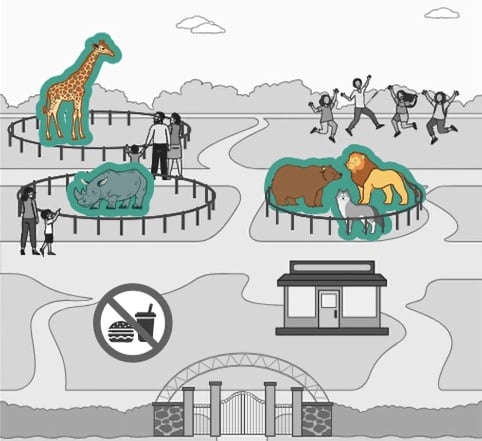
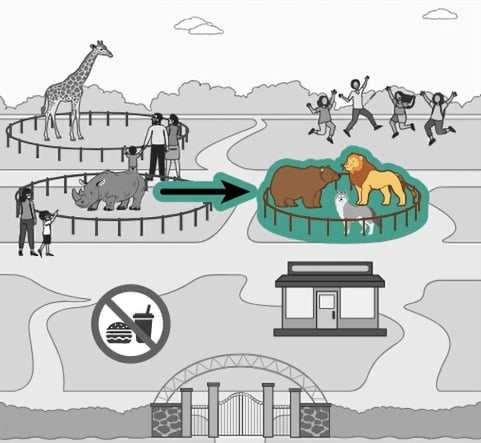
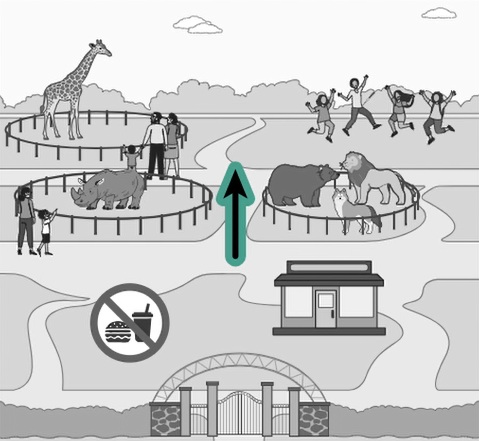
You are learning to welcome visitors to the zoo. Listen to your manager and repeat what she says. Repeat only once.
-
spellcheck AnswerWe have a variety of wildlife.
-
spellcheck AnswerBears, wolves, and large cats are to the right.
-
spellcheck AnswerYou can find sea lions and elephants further down the path.
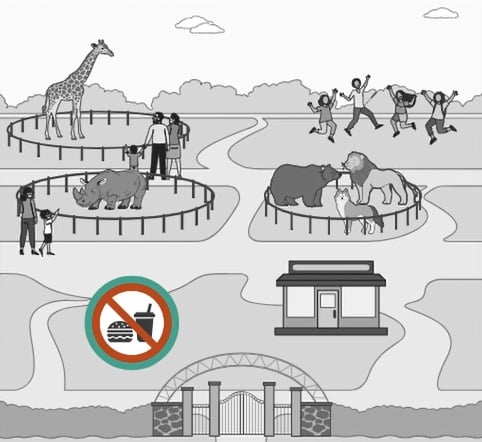
-
spellcheck AnswerPlease, no outside food or drinks and do not feed the animals.
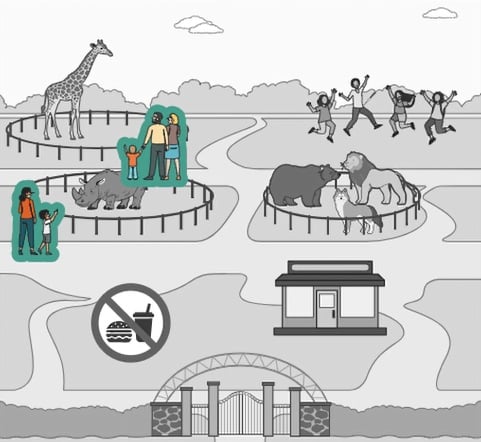
-
spellcheck AnswerAvoid banging or tapping on the displays and enclosures.
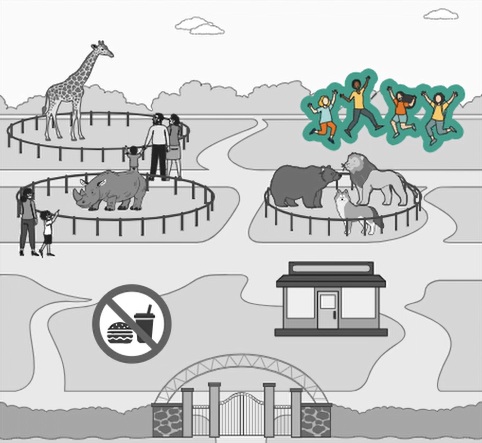
-
spellcheck AnswerFor those with children, we offer summer camps and education opportunities.
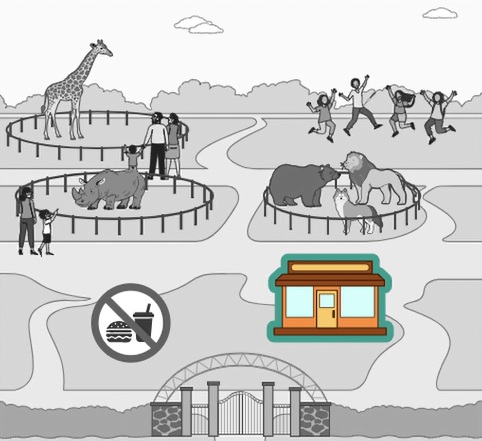
-
spellcheck AnswerThe visitor's center, located near the front entrance, can give you more information.
You have agreed to take part in a research study about urban life. You will have a short online interview with a researcher. The researcher will ask you some questions.
-
spellcheck TranscriptThank you for speaking with me today. I’m conducting a study about people’s experiences and perceptions of living in a city: I’d like to ask you some questions. Now do you currently live in a big city, a small town, or a village? And what is it like there?
-
Sample ResponseWell, um, I currently live in a big city, and honestly, I really enjoy it. You know, there’s easy access to public transportation, so many restaurants, cultural events, and, yeah, better job opportunities. I love how everything’s just within reach, and I rarely feel bored. Of course, there are downsides—like heavy traffic, noise, and, uh, the high cost of living—but, you know, I think the benefits outweigh those negatives. For me, someone who likes staying active and connected, the city just suits my personality and goals perfectly.
-
spellcheck TranscriptGreat. Cities affect people in different ways. Some people find cities dynamic and exciting. Others find that cities are overwhelming and drain them of energy. What kind of reactions do you have to cities? Why do you think you react in this way?
-
Sample ResponseWell, you know, cities really tend to excite me, but, um, they can also be a bit overwhelming at times. I enjoy being around people, having access to different activities, and, you know, exploring new places. There’s always something going on, which keeps life interesting. But, yeah, I do get tired of the noise, the crowds, and that constant rush. I think it’s because I enjoy stimulation and variety, but I also need time to recharge, so I try to balance it with quiet routines, like morning walks or just relaxing at home.
-
spellcheck TranscriptOk. Next, I’d like to ask your opinion. Some people believe that those who live in cities lead more interesting lives. They would argue, for example, that people who live in cities have more access to professional opportunities and interesting leisure activities. Do you agree that people who live in cities lead more interesting lives? Why or why not?
-
Sample ResponseI think it depends on how you define “interesting.” People in cities definitely have more access to events, entertainment, and diverse communities, which can lead to a more active lifestyle. But that doesn't mean people in small towns or villages lead boring lives. They might be involved in meaningful local projects, have deep personal connections, or enjoy unique hobbies. City life may offer more variety, but interesting lives are shaped by curiosity and passion, not just location. So no, I don't fully agree—people can live interesting lives anywhere.
-
spellcheck TranscriptGood points. Let me ask you one final question. For some time now, researchers have been interested in whether green spaces, such as parks, make people who live in cities happier. Do you think that city governments should create more parks in urban areas to promote a general sense of happiness and life satisfaction? Why or why not?
-
Sample ResponseYes, I believe city governments should invest in more parks. Urban life can be stressful, and green spaces offer a great way for people to relax, exercise, and connect with nature. Parks also bring communities together and provide cleaner air and cooler temperatures, especially during hot summers. I think they improve mental health and overall life satisfaction. That said, parks need to be safe, well-maintained, and accessible to everyone. So it's not just about building them—it's about designing them well and making sure all neighborhoods can benefit equally.
如何準備托福口說測驗
在介紹具體準備技巧之前,你要先知道,想在 TOEFL 口說拿高分,有三個關鍵必須注意:- 有口音沒關係,但你的回答一定要「清楚易懂」。 為了做到這一點,你要盡量把每個單字的每個音節都發清楚。
- 你的回答必須「結構清楚」。 也就是要用一些轉折、連接語,例如 "in addition"、"likewise" 等,讓內容有條理地往下走。
- 一定要確定你的回答「有真正答到題目」,而且「在時間內講完」。 如果講到一半時間就結束,或是離題太遠,分數都會受影響。
托福口說準備關鍵一
想大幅提升口說實力,一個非常有效的方法是:把你的答案「唸出來並錄音」,然後檢查自己的發音、語調、文法、組織與流暢度。 你可以使用我們系統內建的錄音功能,把自己的回答錄下來,再回放分析哪裡可以做得更好。 記得要把每個字的每個音節發清楚,確保評分者聽得懂你在說什麼。
如果你覺得這樣太花時間,另一種方式是: 先聽每一題的範例回答,再模仿範例來練習你的發音、語調、文法、組織與流暢度。 如果你能把所有 TOEFL 口說練習題的「範例回答」都仔細聽過、跟讀並模仿,你的 TOEFL 口說分數一定會有明顯提升。
托福口說準備關鍵二
利用 TOEFL 模擬測驗來練習「在時間壓力下」組織與回答口說題。 我們為此設計了一套和正式考試畫面、流程都幾乎一樣的 TOEFL 模擬測驗系統。 你可以到這裡看看:TOEFL practice test simulations。 只要註冊免費帳號就能使用 micro test,我們另外還準備了 20 份完整的模擬試題等著你。
托福口說準備關鍵三
不要硬塞自己不熟悉的高級字彙。 只「背得出來」還不夠,你必須知道怎麼在句子裡自然地使用它。 如果只是想用難字來「裝專業」,反而有可能讓你的回答變得難以理解,結果扣更多分。 簡單說:除非你真的知道怎麼在句子中自然地用那個字,否則就先不要用。
如果你需要系統性提升字彙能力,可以使用我們的字彙系統,其中包含:
- TOEFL Vocabulary Lists(每個單字都有精簡教學,告訴你正確用法)
- TOEFL Vocabulary Flashcards(幫你記錄已熟悉與尚未熟悉的單字)
- TOEFL Vocabulary Training(互動式練習,加快學習速度)
托福口說準備關鍵四
口說一定要有「回饋」才會進步。 雖然你可以靠模擬測驗訓練時間掌握與作答流程, 但要提升整體英文能力、回答結構、以及表達的連貫性,你需要有人指出你犯的錯。 你必須知道自己哪裡說得不自然,才能有針對性地改進。 你可以請朋友或同事幫你聽,也可以找私人家教老師。 方式不重要,重點是:一定要有人給你實際的回饋。 每個國家、每種母語,在說英文時都有「習慣性的錯誤」。 例如來自同一個國家的學生,往往會犯相似的文法與用字錯誤。
我們的 TOEFL 口說批改老師會幫你拆解你的回答、指出這些共通錯誤, 並告訴你如何改寫會更自然。 通常只要經過幾次詳盡的批改,你就會明顯感覺到自己的口說結構與表達有大幅進步。 口說批改主要會針對:
- 發音(Pronunciation)
- 語速(Speed of speech)
- 語調(Intonation)
- 字彙使用(Vocabulary)
- 文法(Grammar)
- 主題發展(Topic development)
- 想法連接(Connection of ideas)
除了語音回饋,你還會依照多項口說評分標準拿到分數與文字報告,例如:
- 是否完成任務(Task Fulfillment)
- 發音與語調(Pronunciation & Intonation)
- 流暢度與語速(Flow & Speech)
- 文法正確度(Correct Grammar Usage)
- 字彙使用的適切性與多樣性(Vocabulary Usage – Appropriacy and Range)
- 內容支撐與發展(Support & Development)
- 連貫性與條理(Connections & Coherence)
每次批改都會讓你更熟悉如何在短時間內組織答案、清楚表達想法。 如果你完全沒有這種回饋,只靠自己一直練習,很容易一直重複同樣的錯誤,最後分數停滯不前。
下面這個範例是我們一位學生實際的口說回答。
你可以在這裡看到完整的批改示範:Speaking question 1 – 點進去後看「RESULTS TAB」。
我們的托福口說練習題
我們的 TOEFL 口說練習題在設計上,外觀與操作都盡量做得和正式考試一樣。 不管是難度、畫面排版、按鈕操作、倒數計時,我們都刻意仿照官方系統。 此外,我們還提供 4 套完整的 TOEFL 模擬測驗,裡面的口說題都是「全新題目」, 也就是說,除了平常練習題之外,還有額外 24 題整合在模擬測驗中等著你練習。 只要到 TOEFL Practice Test 區就可以找到,不過這些完整模擬測驗需要升級成高級會員才能使用。
我們是從很多年前就開始累積這些題目,所以越新的題目(列表越前面的)越貼近現行考試。 如果你時間充裕,建議可以把所有口說題都做過一次,作為完整的 TOEFL 準備。
註冊 7 天免費試用,就可以開通以下 TOEFL 口說課程並開始你的準備:
七天免費試用免費托福口說免費資源
想用免費資源提升口說,其實比其它三個科目(閱讀、聽力、寫作)還難一點。 光是「自己講英文」固然有幫助,但真正有效的是:和一位流利的英語使用者對話, 而且對方願意指出你的錯誤。 不過現實是:你不見得每天都找得到這樣的人,所以我們退一步,善用「免費的 TOEFL 口說資源」。
以下是幾個不錯的免費資源,可以幫助你維持與訓練 TOEFL 口說能力:
1. Google Speech-to-Text
這是一個很適合自我訓練的工具,可以幫助你調整語速與發音清晰度。 當你講錯或發音不準時,Google API 會「打出」它以為你說的內容, 你就可以立刻知道哪裡沒講清楚。 我們在 TOEFL 口說練習題的「SAMPLE」頁籤中也有類似功能, 不過需要用桌機版的 Google Chrome 才能使用。
2. YouTube
YouTube 上有大量免費的 TOEFL 口說教學與示範影片, 有些影片甚至提供完整回答範例與講解。 你可以找題目、按暫停、自己先回答,再對照範例。
3. Google Play Store
在 Google Play Store 上,有許多免費的英文口說練習 App。 基本上下載就能開始練習,不太會「踩雷」。 找到適合你的 App 之後,天天開口說幾分鐘, 至少可以讓你的 TOEFL 口說反應與流暢度進步一點點。