TOEFL Speaking Practice : Free Speaking Test Questions and Learning How to Answer New Speaking Topics
In this guide, you will get help with your TOEFL speaking practice in by teaching you how to answer new TOEFL speaking topics and giving you free TOEFL speaking test questions to practice what you learned. In addition, throughout the guide, you will learn helpful TOEFL preparation tips and TOEFL exam information to further help you prepare successfully for your TOEFL speaking test. This page contains everything you need to know and the essential skills for a high-speaking score.
First off, if you're looking to take a free TOEFL speaking practice test or are just curious what taking an official TOEFL speaking test is like, then click the button below.
play_circle_outline Start TOEFL Speaking Practice TestBelow is a list of all our TOEFL speaking questions where you can study each question at your own pace. To start a free TOEFL speaking test question, click the Mock Test 1 link.
TOEFL Speaking Practice Questions - Listen & Repeat
| Mock test 1 - 12 |
| Mock test 1 Mock test 2 Mock test 3 Mock test 4 Mock test 5 Mock test 6 Mock test 7 Mock test 8 Mock test 9 Mock test 10 Mock test 11 Mock test 12 |
| Mock test 13 - 24 |
| Mock test 13 Mock test 14 Mock test 15 Mock test 16 Mock test 17 Mock test 18 Mock test 19 Mock test 20 Mock test 21 Mock test 22 Mock test 23 Mock test 24 |
| Mock test 25 - 36 |
| Mock test 25 Mock test 26 Mock test 27 Mock test 28 Mock test 29 Mock test 30 Mock test 31 Mock test 32 Mock test 33 Mock test 34 Mock test 35 Mock test 36 |
| Mock test 37 - 48 |
| Mock test 37 Mock test 38 Mock test 39 Mock test 40 Mock test 41 Mock test 42 Mock test 43 Mock test 44 Mock test 45 Mock test 46 Mock test 47 Mock test 48 |
| Mock test 49 - 60 |
| Mock test 49 Mock test 50 Mock test 51 Mock test 52 Mock test 53 Mock test 54 Mock test 55 Mock test 56 Mock test 57 Mock test 58 Mock test 59 Mock test 60 |
| Mock test 61 - 72 |
| Mock test 61 Mock test 62 Mock test 63 Mock test 64 Mock test 65 Mock test 66 Mock test 67 Mock test 68 Mock test 69 Mock test 70 Mock test 71 Mock test 72 |
| Mock test 73 - 84 |
| Mock test 73 Mock test 74 Mock test 75 Mock test 76 Mock test 77 Mock test 78 Mock test 79 Mock test 80 Mock test 81 Mock test 82 Mock test 83 Mock test 84 |
| Mock test 85 - 96 |
| Mock test 85 Mock test 86 Mock test 87 Mock test 88 Mock test 89 Mock test 90 Mock test 91 Mock test 92 Mock test 93 Mock test 94 Mock test 95 Mock test 96 |
| Mock test 97 - 108 |
| Mock test 97 Mock test 98 Mock test 99 Mock test 100 Mock test 101 Mock test 102 Mock test 103 Mock test 104 Mock test 105 Mock test 106 Mock test 107 Mock test 108 |
| Mock test 109 - 120 |
| Mock test 109 Mock test 110 Mock test 111 Mock test 112 Mock test 113 Mock test 114 Mock test 115 Mock test 116 Mock test 117 Mock test 118 Mock test 119 Mock test 120 |
| Mock test 121 - 132 |
| Mock test 121 Mock test 122 Mock test 123 Mock test 124 Mock test 125 Mock test 126 Mock test 127 Mock test 128 Mock test 129 Mock test 130 Mock test 131 Mock test 132 |
| Mock test 133 - 144 |
| Mock test 133 Mock test 134 Mock test 135 |
TOEFL Speaking Practice Questions - Speaking Interview
| Mock test 1 - 12 |
| Mock test 1 Mock test 2 Mock test 3 Mock test 4 Mock test 5 Mock test 6 Mock test 7 Mock test 8 Mock test 9 Mock test 10 Mock test 11 Mock test 12 |
| Mock test 13 - 24 |
| Mock test 13 Mock test 14 Mock test 15 Mock test 16 Mock test 17 Mock test 18 Mock test 19 Mock test 20 Mock test 21 Mock test 22 Mock test 23 Mock test 24 |
| Mock test 25 - 36 |
| Mock test 25 Mock test 26 Mock test 27 Mock test 28 Mock test 29 Mock test 30 Mock test 31 Mock test 32 Mock test 33 Mock test 34 Mock test 35 Mock test 36 |
| Mock test 37 - 48 |
| Mock test 37 Mock test 38 Mock test 39 Mock test 40 Mock test 41 Mock test 42 Mock test 43 Mock test 44 Mock test 45 Mock test 46 Mock test 47 Mock test 48 |
| Mock test 49 - 60 |
| Mock test 49 Mock test 50 Mock test 51 Mock test 52 Mock test 53 Mock test 54 Mock test 55 Mock test 56 Mock test 57 Mock test 58 Mock test 59 Mock test 60 |
| Mock test 61 - 72 |
| Mock test 61 Mock test 62 Mock test 63 Mock test 64 Mock test 65 Mock test 66 Mock test 67 Mock test 68 Mock test 69 Mock test 70 Mock test 71 Mock test 72 |
| Mock test 73 - 84 |
| Mock test 73 Mock test 74 Mock test 75 Mock test 76 Mock test 77 Mock test 78 Mock test 79 Mock test 80 Mock test 81 Mock test 82 Mock test 83 Mock test 84 |
| Mock test 85 - 96 |
| Mock test 85 Mock test 86 Mock test 87 Mock test 88 Mock test 89 Mock test 90 Mock test 91 Mock test 92 Mock test 93 Mock test 94 Mock test 95 Mock test 96 |
| Mock test 97 - 108 |
| Mock test 97 Mock test 98 Mock test 99 Mock test 100 Mock test 101 Mock test 102 |
Table Of Contents
TOEFL Speaking Introduction 2026
The TOEFL Speaking section is the last part of the test. It has 11 questions divided into two parts: a Listen and Repeat section and a Take an Interview section.
|
Section |
Question |
Time |
|---|---|---|
|
Listen and Repeat |
Questions 1–7 |
About 3 minutes |
|
You will hear 7 sentences connected to campus life or everyday situations, such as giving a tour or explaining a procedure in a specific place. After each sentence, there is a short pause, and you must repeat exactly what you heard into the microphone. The sentences become longer and more complex as you continue. The first one is about four seconds long, and later ones can be around six seconds. An image on the screen shows the situation, for example a gallery, a gym, a lab, or another location where the sentences are happening. |
||
|
No break — section continues |
||
|
Take an Interview |
Questions 8–11 |
About 5 minutes |
|
In this part, you take part in a simulated video interview with an interviewer who asks you four questions about a common, everyday topic. You answer each question immediately after hearing it; there is no separate preparation time. You have about 45 seconds to respond to each question, and you must keep talking until the time ends if possible. You can hear the questions but you cannot read them on the screen, so you must listen carefully. Typical pattern of the four interview questions - Question 1 usually asks you to describe a personal memory or recent experience connected to the topic.- Question 2 usually asks about your general habits, feelings, or preferences in daily life. - Question 3 usually asks for your opinion or position on a broader issue connected to the topic. - Question 4 usually asks what you think about a policy, suggestion, or possible change related to the topic. |
||
|
Approximately 10 minutes in total |
||
New TOEFL Speaking Sample Questions 2026
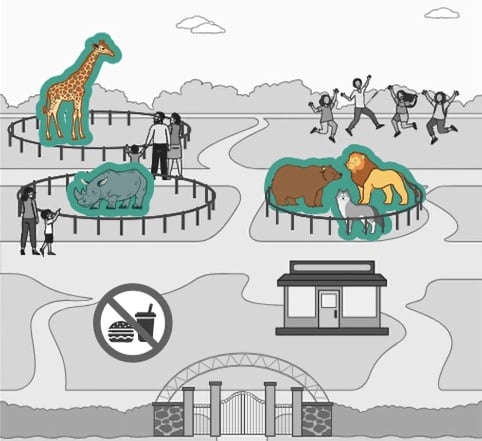
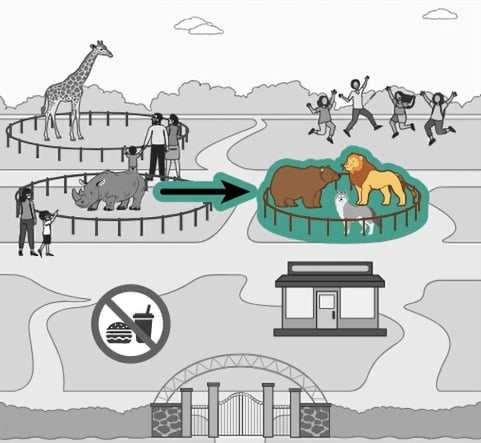
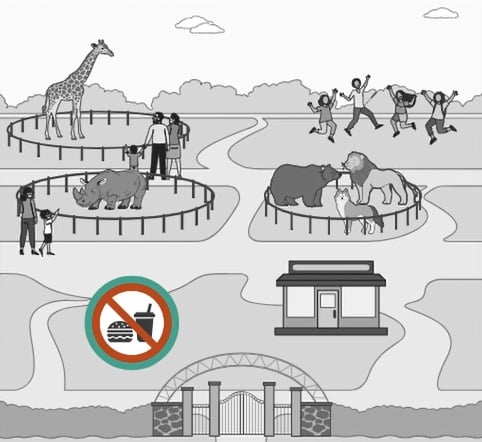
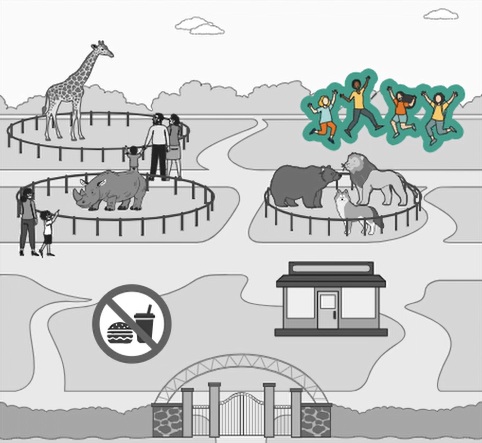
You are learning to welcome visitors to the zoo. Listen to your manager and repeat what she says. Repeat only once.
-
spellcheck AnswerWe have a variety of wildlife.
-
spellcheck AnswerBears, wolves, and large cats are to the right.

-
spellcheck AnswerYou can find sea lions and elephants further down the path.
-
spellcheck AnswerPlease, no outside food or drinks and do not feed the animals.

-
spellcheck AnswerAvoid banging or tapping on the displays and enclosures.
-
spellcheck AnswerFor those with children, we offer summer camps and education opportunities.

-
spellcheck AnswerThe visitor's center, located near the front entrance, can give you more information.
You have agreed to take part in a research study about urban life. You will have a short online interview with a researcher. The researcher will ask you some questions.
-
spellcheck TranscriptThank you for speaking with me today. I’m conducting a study about people’s experiences and perceptions of living in a city: I’d like to ask you some questions. Now do you currently live in a big city, a small town, or a village? And what is it like there?
-
Sample ResponseWell, um, I currently live in a big city, and honestly, I really enjoy it. You know, there’s easy access to public transportation, so many restaurants, cultural events, and, yeah, better job opportunities. I love how everything’s just within reach, and I rarely feel bored. Of course, there are downsides—like heavy traffic, noise, and, uh, the high cost of living—but, you know, I think the benefits outweigh those negatives. For me, someone who likes staying active and connected, the city just suits my personality and goals perfectly.
-
spellcheck TranscriptGreat. Cities affect people in different ways. Some people find cities dynamic and exciting. Others find that cities are overwhelming and drain them of energy. What kind of reactions do you have to cities? Why do you think you react in this way?
-
Sample ResponseWell, you know, cities really tend to excite me, but, um, they can also be a bit overwhelming at times. I enjoy being around people, having access to different activities, and, you know, exploring new places. There’s always something going on, which keeps life interesting. But, yeah, I do get tired of the noise, the crowds, and that constant rush. I think it’s because I enjoy stimulation and variety, but I also need time to recharge, so I try to balance it with quiet routines, like morning walks or just relaxing at home.
-
spellcheck TranscriptOk. Next, I’d like to ask your opinion. Some people believe that those who live in cities lead more interesting lives. They would argue, for example, that people who live in cities have more access to professional opportunities and interesting leisure activities. Do you agree that people who live in cities lead more interesting lives? Why or why not?
-
Sample ResponseI think it depends on how you define “interesting.” People in cities definitely have more access to events, entertainment, and diverse communities, which can lead to a more active lifestyle. But that doesn't mean people in small towns or villages lead boring lives. They might be involved in meaningful local projects, have deep personal connections, or enjoy unique hobbies. City life may offer more variety, but interesting lives are shaped by curiosity and passion, not just location. So no, I don't fully agree—people can live interesting lives anywhere.
-
spellcheck TranscriptGood points. Let me ask you one final question. For some time now, researchers have been interested in whether green spaces, such as parks, make people who live in cities happier. Do you think that city governments should create more parks in urban areas to promote a general sense of happiness and life satisfaction? Why or why not?
-
Sample ResponseYes, I believe city governments should invest in more parks. Urban life can be stressful, and green spaces offer a great way for people to relax, exercise, and connect with nature. Parks also bring communities together and provide cleaner air and cooler temperatures, especially during hot summers. I think they improve mental health and overall life satisfaction. That said, parks need to be safe, well-maintained, and accessible to everyone. So it's not just about building them—it's about designing them well and making sure all neighborhoods can benefit equally.
How to Prepare for the TOEFL Speaking Test 2026
Before we go over our TOEFL preparation tips, there are three things you should be aware of regarding scoring high on the TOEFL Speaking section:- It is okay to have an accent, but your speaking response must be clear and understandable. To do that, you need to make sure you pronounce each syllable of every word clearly.
- Your speaking response must be well-structured. This means you have to use transition words such as "in addition" and "likewise" in your speaking response.
- Make sure your speaking response actually answers the question being asked and is completed in the allotted time frame.
TOEFL Preparation Tip 1
To dramatically improve your speaking for the TOEFL speaking test, read your responses out loud and pay attention to your pronunciation, intonation, grammar, organization, and fluency. You should record your responses in the recorder provided by us and analyze your responses to see where and what you can do better. Remember to pronounce each syllable of each word clearly so your speech is understandable.
If you find the above process too time-consuming, alternatively, you can listen to the sample response of each TOEFL speaking question. You can then imitate the sample response to improve your pronunciation, intonation, grammar, organization, and fluency. If you go through all our TOEFL speaking practice questions ensuring your pronunciation is correct, we guarantee you will earn a high score on the TOEFL speaking test.
TOEFL Preparation Tip 2
Use a TOEFL test simulator to practice structuring and answering your speaking response under pressure. What we mean by under pressure is being limited by a time frame you have no control over. We understand what students need to succeed at TOEFL, which is why we developed a TOEFL practice test simulation application that looks and feels identical to the official test. You can check it now if you like. TOEFL practice test simulations. You'll need to sign up as a free member to use our micro test. We've got 30 full length 2 hour tests waiting for you.
TOEFL Preparation Tip 3
Don't use vocabulary you don't fully understand. Simply memorizing a word isn't enough. You have to understand how to use it in a sentence. If you end up using an advanced word to try and fool the reviewers, you'll be in trouble. That word will probably make your response harder to understand and will do the exact opposite of what you were trying to do. So...do not use an advanced word unless you know how to use it in a sentence correctly.
If you need help improving your vocabulary, you can use our vocabulary system which includes:
- TOEFL Vocabulary Lists (There is a mini-lesson for each vocabulary that teaches you how to use the word correctly.)
- TOEFL Vocabulary Flashcards (Keep track of which words you know and which you don't)
- TOEFL Vocabulary Training (Interactive exercises that speeds up learning)
TOEFL Preparation Tip 4
It is important to get TOEFL speaking reviews! Although you can easily practice preparing your response in a short time frame by using our TOEFL practice tests, improving your overall English proficiency, speaking response structure, and communicating with cohesion requires constant feedback, you have to know what mistakes you are making in your speaking responses in order to improve your score.
You can get feedback on your speaking responses by asking a friend or colleague or by finding your own personal tutor. It doesn't matter how you get the feedback, just make sure you get it.
Each country, be it India, Brazil, Russia, etc, have their own special way of putting together sentences. Because of this, students who share the same native language tend to make similar mistakes in their speaking response.
Our TOEFL speaking reviewers will help you to understand those common mistakes by breaking down your speaking response with explanations on how to improve. You'll start to see major improvements in your speaking responses after just a few reviews.
When you decide to get a speaking review, which you should if you want to improve your speaking score, the audio feedback will focus on:
- Pronunciation
- Speed of speech
- Intonation
- Vocabulary
- Grammar
- Topic development
- Connection of ideas
In addition to the audio feedback, you will get a score and a report based on several speaking criteria. The criteria are as follows:
- Task Fulfillment
- Pronunciation & Intonation
- Flow & Speech
- Correct Grammar Usage
- Vocabulary Usage (Appropriacy and Range)
- Support & Development
- Connections & Coherence
With each review, you'll get better at structuring your response and communicating your thoughts cohesively. If you don't get feedback on your speaking responses, you'll make the language specific mistakes mentioned earlier and will not achieve a good TOEFL score.
If you want to experience a full TOEFL speaking sample question with answers for the listening and repeat task or speaking interview task, click one of the links below:
Our TOEFL Speaking Practice Questions 2026
Our TOEFL Speaking practice questions are designed to look and feel like the official TOEFL test experience. We carefully match the difficulty, question types, formatting, and test behavior, so you can practice in a realistic testing environment. To explore the full range of TOEFL Speaking practice questions, click the TOEFL Practice menu in our TOEFL Tutor App.
The TOEFL Speaking section is highly skill-based and improves significantly with targeted practice. By mastering speaking strategies and completing all available TOEFL Speaking practice questions before your exam, you can greatly increase your ability to respond clearly, use natural phrasing, and speak confidently under time pressure.
In this Speaking format, there are 11 questions across two parts:
- Listen and Repeat: 7 questions
- Speaking Interview: 4 questions
If you need help, our speaking support tools include:
- BestMyLingo (Practice speaking in real-life situations)
- TOEFL Vocabulary Training (Interactive exercises that reinforce fast word recognition.)
- TOEFL Speaking Tutor App (Practice Speaking questions, lessons, and simulation tests)
What’s next
Create a free account to access the following TOEFL Speaking lessons and begin strengthening your speaking skills.
- TOEFL Speaking Introduction
- TOEFL Speaking Listen & Repeat - How to Get a High Score
- TOEFL Speaking Interview - How to Get a High Score
- TOEFL Speaking Modal Test 1
Free TOEFL Speaking English Resources
Improving your speaking skills with free resources is a little more challenging than the other three TOEFL sections. It's true that speaking English can help you improve, but what really helps is having conversations with a fluent English speaker. Someone that can help correct your mistakes. Of course, a fluent English speaker isn't always available, so we'll go to the next best thing. Free TOEFL speaking resources.
Below are a few amazing free resources you can use to train and maintain your TOEFL speaking skills.
1. Google Speech-to-Text
This is a great tool for teaching yourself to speak at a good pace and to pronounce correctly. What you'll notice is if you make a mistake, Google API will write down what it thinks you said. We actually have something similar in our TOEFL speaking question section under the "SAMPLE" tab, but you'll need Google chrome on desktop to use it.
2. YouTube
YouTube has tons of free resources related to TOEFL speaking practice. Some videos even offer TOEFL speaking samples with answer.
3. Google Play Store
There are loads of free English speaking fluency apps from Google play store. You really can't go wrong with these free apps. Just download them and start. With the right app, you should be able to improve your TOEFL speaking skills, at least, a little bit.